
Global Oil Prices Breach US$100 Per Barrel Despite Emergency Reserves Release
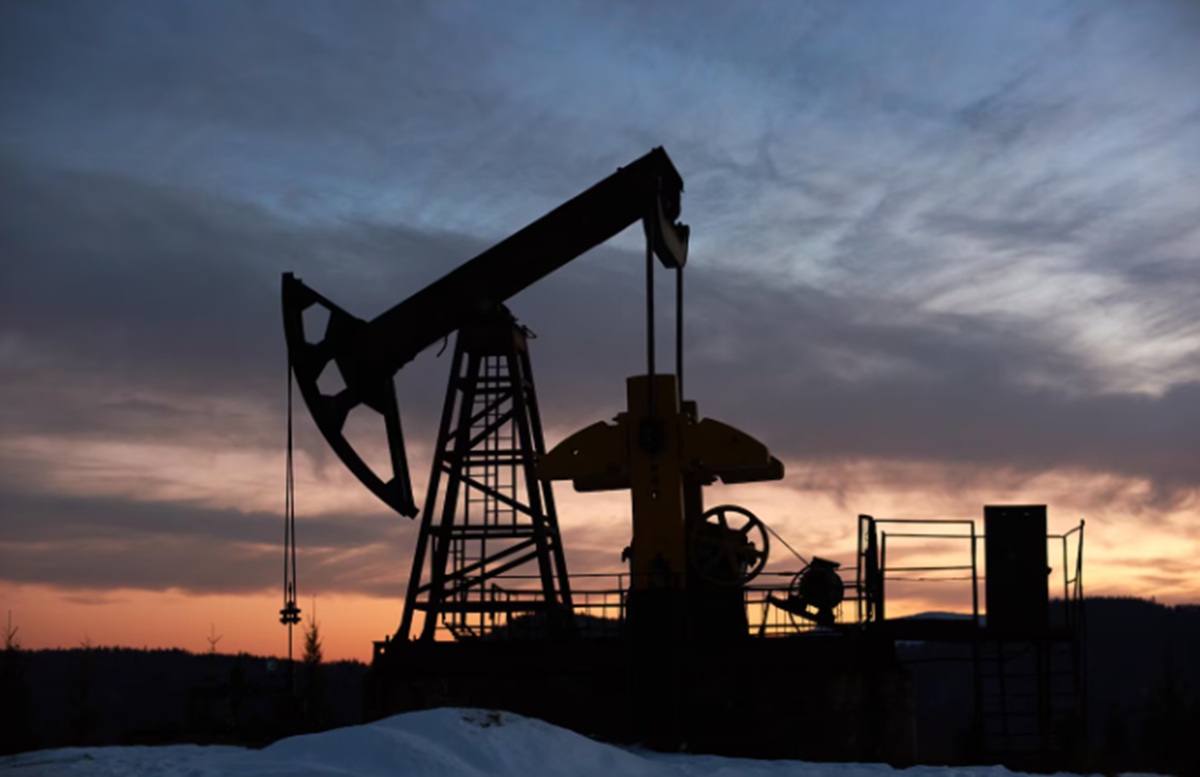
Global crude oil prices surged above US$100 per barrel on Thursday morning. The spike came just three days after touching a four-year high, driven by market concerns over the impact of the US-Israel-Iran conflict on global fuel supplies.
Despite member countries of the International Energy Agency (IEA) unanimously agreeing to release 400 million barrels of oil reserves to the global market, market participants remained unconvinced.
Based on latest trading data, Brent crude—the global benchmark—traded around US$100 per barrel, jumping approximately 8.88%. Similarly, the United States’ West Texas Intermediate (WTI) surged 8.8% to US$95 per barrel.
The IEA intervention marked the largest coordinated emergency reserve drawdown since the agency’s establishment following the 1973 oil embargo. The United States alone committed to releasing 172 million barrels from its Strategic Petroleum Reserve (SPR). US Energy Secretary Chris Wright stated that deliveries are expected to begin next week and will take approximately 120 days to complete.
Markets largely ignored the announcement due to widespread doubt that this emergency measure could cover the supply gap, especially if shipments through the Strait of Hormuz remain disrupted. Approximately one-fifth of global oil supplies pass through this vital route connecting the Persian Gulf to world markets.
Saul Kavonic, energy analyst at MST Marquee, assessed that the stock release could only cover approximately one-quarter of a 20 million barrel-per-day deficit if the Strait of Hormuz were completely closed.
“The IEA decision also signals how acute the oil shortage risk is. It suggests the IEA does not believe the conflict will end soon, and the stock being drawn now will need to be replaced later, indicating prices will remain elevated even after the war ends,” Kavonic told CNBC.
Beyond supply volume, timing and logistics became major sources of market concern. The IEA has not provided detailed information on how quickly individual countries could distribute their reserves.
Pavel Molchanov, senior investment strategist at Raymond James, noted that current prices were in “panic mode” filled with emotion and uncertainty.
“Current prices are still in panic mode. There is considerable emotion, fear, and uncertainty reflected in the prices we are seeing,” Molchanov said.
He estimated it would take 60 to 90 days before the oil truly reached the market significantly. Yet, amid the largest supply disruption since the 1970s, markets require physical assistance on a much faster timescale.