
Global Oil Prices Breach US$100 per Barrel Amid Iran War Tensions
Global energy markets experienced severe turbulence on Sunday 8 March as investor concerns over potential oil supply disruptions in the Middle East due to military tensions with Iran intensified. Crude oil prices have officially breached the psychological threshold of US$100 (approximately Rp1.7 million) per barrel for the first time since Russia’s invasion of Ukraine in 2022.
US crude futures surged significantly by 14.7%, whilst Brent crude, the global benchmark, rose 12.63% to reach US$104 per barrel. The sharp increase has triggered alarm that energy market disruptions will further fuel global inflation.
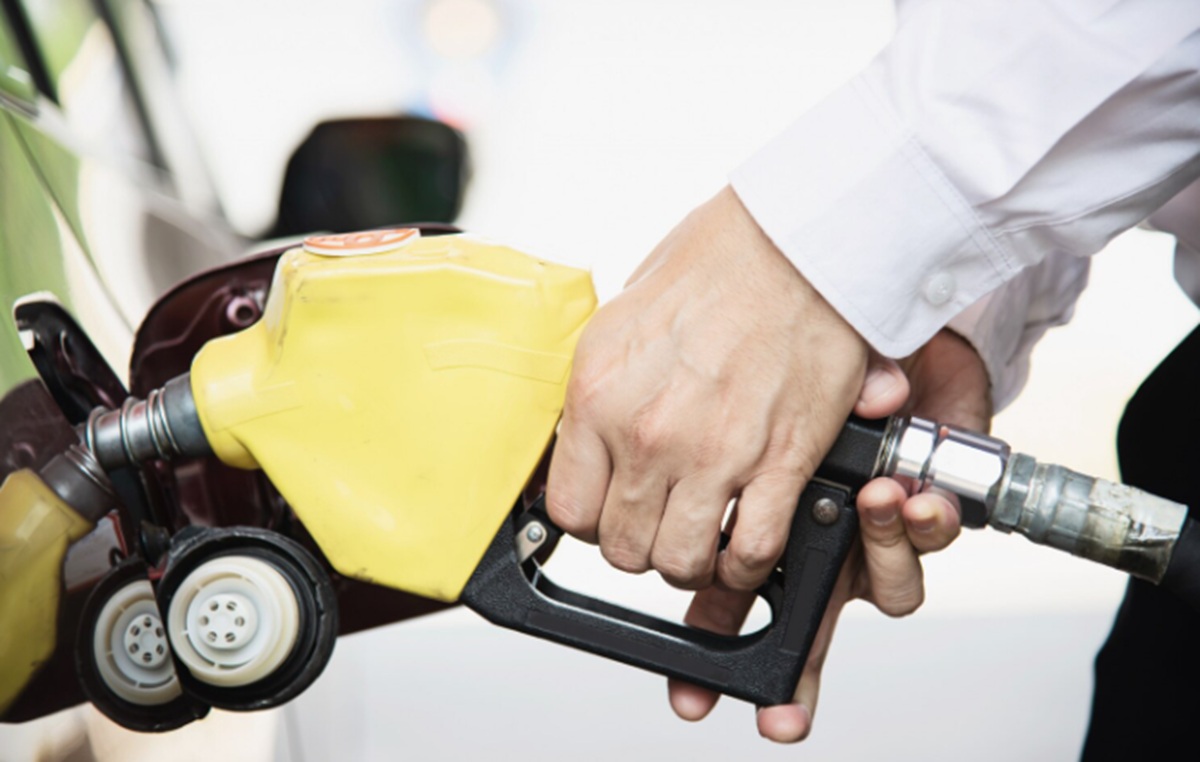
The oil price spike had immediate consequences for stock markets. Dow futures fell by 851.6 points, approximately 2%, with the S&P 500 and Nasdaq indices also declining. In the real economy, average petrol prices in the United States reached US$3.45 per gallon on Sunday, up 16% compared to the previous week according to AAA data.
The situation has placed President Donald Trump and the Republican Party in a difficult political position ahead of the midterm elections. However, the Trump administration has attempted to downplay public concerns regarding the long-term impacts of the US-Israel military campaign against Iran on fuel prices. In an interview with ABC News, President Trump characterised the petrol price surge as merely a “minor disruption” and viewed the rapid increase as an anticipated “detour”. Energy Minister Chris Wright similarly asserted that the US had no plans to attack Iran’s oil industry or other energy infrastructure sites.
Meanwhile, Tehran has warned that the conflict has entered a “new phase” following Israeli attacks. A senior Iranian official signalled the possibility of retaliatory strikes against regional energy infrastructure within the coming days.
One of the most serious potential threats is the closure of the Strait of Hormuz, the narrow waterway controlled by Iran through which 20% of global oil supplies pass. An Iranian official stated: “Iran will not relinquish control of the Strait of Hormuz until achieving its desired outcome.”
Iran has threatened to attack any oil tankers transiting the strait, which could effectively halt global shipping traffic. This situation leaves oil producers without adequate storage capacity for their extracted oil, compelling many to reduce production levels.
The world now awaits whether this escalating tension will develop into a deeper energy crisis or whether diplomacy can stabilise prices before inflation spirals further out of control.
Indonesia’s Finance Minister Purbaya Yudhi Sadewa has stated that the government may raise subsidised fuel prices should global oil price increases persist. Energy and Mineral Resources Minister Bahlil Lahadalia has announced plans to expand domestic fuel storage capacity from approximately 25-26 days to 90 days, equivalent to three months, whilst assuring that subsidised Pertalite fuel prices will not increase.