
Global Oil Prices Breach 111 US Dollars per Barrel, Highest Since 2022
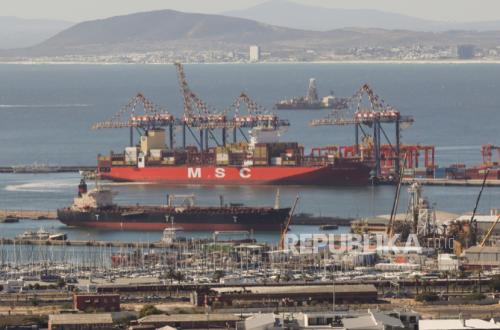
Global oil prices surged approximately 20 per cent in early trading on Monday (9 March 2026), reaching their highest levels since July 2022. The sharp increase occurred as markets grew concerned that the Iran-Israel conflict and United States involvement would have sustained impacts on oil shipments through the Strait of Hormuz, a vital maritime route for global energy trade.
In early trading, Brent crude futures briefly jumped 18.35 US dollars or 19.8 per cent to 111.04 US dollars per barrel, and by 23:14 GMT had risen 14.38 US dollars or 15.5 per cent to 107.07 US dollars per barrel.
Meanwhile, United States West Texas Intermediate (WTI) crude rose 15.27 US dollars or 16.8 per cent to 106.17 US dollars per barrel, after previously surging 20.34 US dollars or 22.4 per cent to 111.24 US dollars per barrel.
During the previous week, before the latest surge, Brent prices had risen 27 per cent whilst WTI increased 35.6 per cent.
Israeli military forces stated early Sunday that they had attacked an Iranian commander in the Lebanese capital, Beirut, expanding military operations into the city centre following a series of attacks that had killed nearly 400 people over the preceding days.
Israeli forces also threatened to kill anyone replacing Khamenei. Meanwhile, United States President Donald Trump stated that the war could likely end if Iranian military and leadership were completely incapacitated.
The conflict risks exposing consumers and businesses worldwide to higher fuel prices over coming weeks to months, even if the week-long conflict ends quickly.
Energy supplies are also threatened by facility damage, logistics disruptions, and increased risks for oil tankers. As the world’s largest oil exporter, Saudi Arabia has increased oil shipments via the Red Sea.
However, based on shipping data, those volumes remain far short of sufficient to replace the supply decline from the Strait of Hormuz affected by the crisis.