
Global oil price pressures prompt Finance Minister to consider raising fuel prices and reviewing meal programme spending
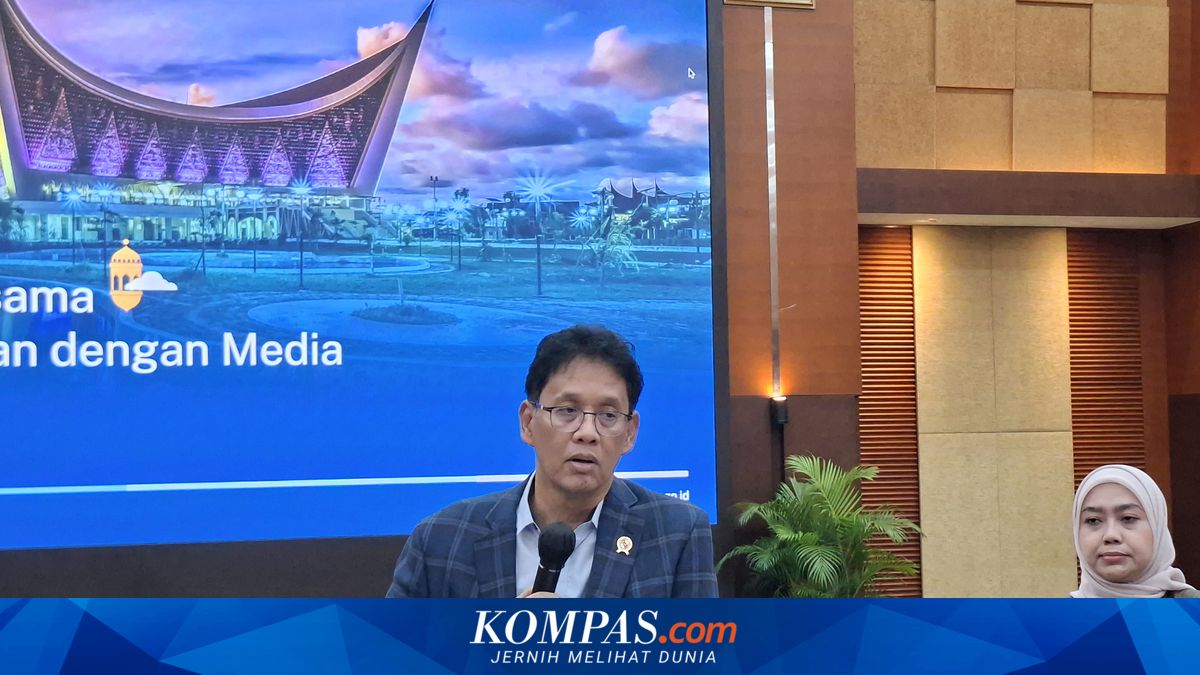
JAKARTA — Escalating conflict in the Middle East has triggered concerns about Indonesia’s state budget position.
Finance Minister Purbaya Yudhi Sadewa stated that the government continues to monitor developments before determining policy measures.
The government has opened the possibility of adjusting subsidised fuel prices if global oil price increases continue.
Purbaya explained that the government has conducted simulations of several scenarios involving oil price rises.
The calculations indicate that the budget deficit could increase significantly if oil prices surge.
“If oil prices rise to $92 per barrel, what is the impact on the deficit? If we do nothing, our deficit rises to 3.6 to 3.7 per cent of GDP,” said Purbaya during a media gathering at the Finance Ministry on Friday (6 March 2026).
One option involves adjusting state expenditure. The government is also considering sharing the burden with citizens through adjusting subsidised fuel prices.
The government is also preparing budget reallocation. Programmes deemed non-urgent could potentially be delayed or shifted to the following year.
Purbaya emphasised that expenditure with direct impact on citizens remains a priority.
Spending that does not support essential needs could be delayed. Examples include the procurement of certain goods or projects.
Purbaya is also considering efficiency measures in several components of the Free Nutritious Meal (MBG) programme.
These measures are being considered if pressure on the state budget increases due to rising global oil prices.
Purbaya explained that efficiency would not affect the main component of food provision for programme beneficiaries.
The government will evaluate supporting programme expenditure.