
Global Markets Pressure Indonesia's Nickel Industry to Adopt ESG Standards
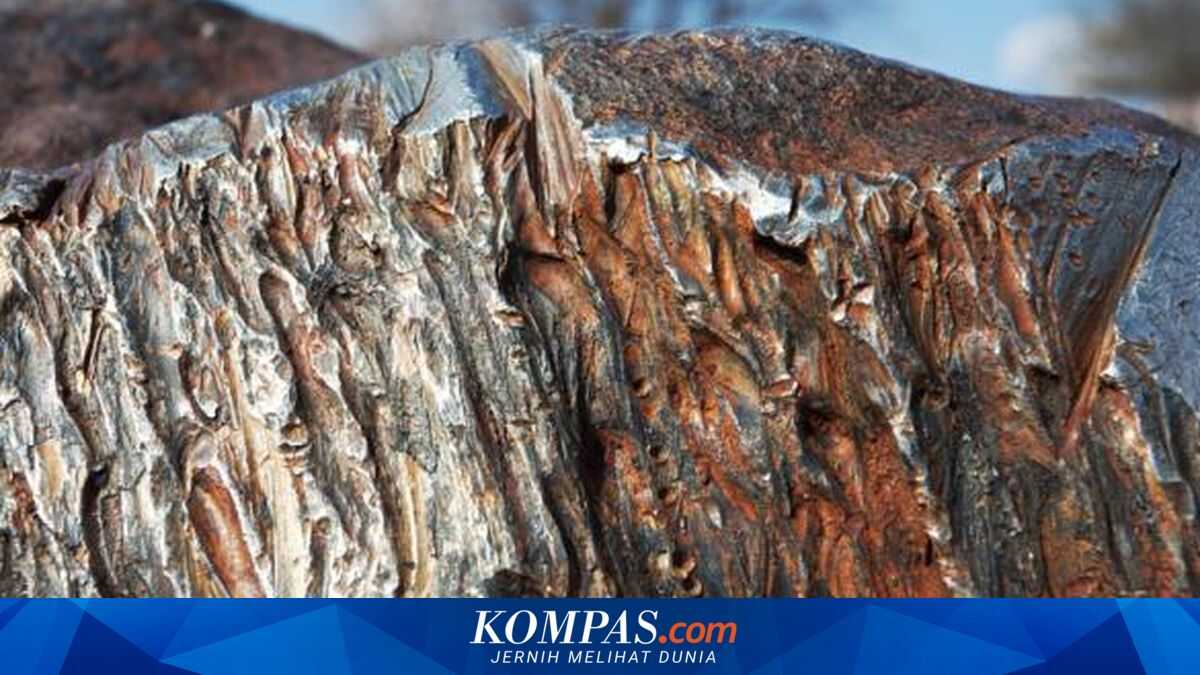
Global market demands, with increasing attention to environmental, social, and governance factors, are pushing Indonesia’s nickel industry to prepare Environmental, Social, and Governance (ESG) standards. The move is seen as essential to keep domestic nickel products competitive amid growing international buyers’ focus on sustainability practices in mineral supply chains.
Indonesia is currently the world’s largest supplier of nickel in various semi-finished forms, such as Ni-matte, ferro-nickel or NPI (Nickel Pig Iron), and MHP (mixed hydroxide precipitate). The raw materials for these products come from laterite nickel ore mined domestically.
‘The standards development is moving forward. At present, the detailed draft for the Social Chapter is complete and entering the review stage,’ said Sudirman, in a press statement, Wednesday, 4 March 2026.
‘For the Environmental Chapter, detailing has reached around 50 percent, followed by the Governance Chapter,’ he added.
The development of Indonesia’s ESG Nickel Standards began in mid-2025, covering environmental, social, and governance aspects. The standards are designed in 33 chapters comprising 10 environmental chapters, 10 social chapters, and 13 governance chapters.
Each chapter will be complemented by sub-chapters detailing requirements, indicators, and supporting documentation so that the standards can be implemented operationally in the field. Indonesian regulations underpin the development of the standards, which will be harmonised with a number of international references such as RMI–RMAP, Nickel Mark, ICMM, IFC-PS, and IRMA.
‘After the detailed drafts of each chapter are completed and reviewed, we will organise a Focus Group Discussion (FGD) in a public-consultation format,’ said Tonny.
‘Inputs from stakeholders—from practitioners, academics, government, industry, and other relevant parties in the supply chain—will be an important part of refining Indonesia’s ESG Nickel Standards,’ he added.
The Indonesia Nickel Miners Association (APNI) notes several smelters have reduced production capacity, or even halted operations. APNI Secretary General Meidy Katrin Lengkey named three smelters seriously affected: PT Huadi Nickel Alloy Indonesia in Bantaeng, South Sulawesi; PT Wanxiang Nickel Indonesia in Morowali, Central Sulawesi; and PT Gunbuster Nickel Industry in Morowali.
‘Three smelters have collapsed, as we have confirmed,’ Meidy told reporters during an RKAB discussion held by APINDO in Jakarta on Monday, 2 March 2026.
According to him, domestic ore demand for domestic smelters this year is expected to reach 380 million tonnes to 400 million tonnes. However domestic production is only around 270 million tonnes, with imports from the Philippines of about 23 million tonnes.