
Global Gold Prices Surge, Jewellery Producers Eye Alternative Precious Metal Materials
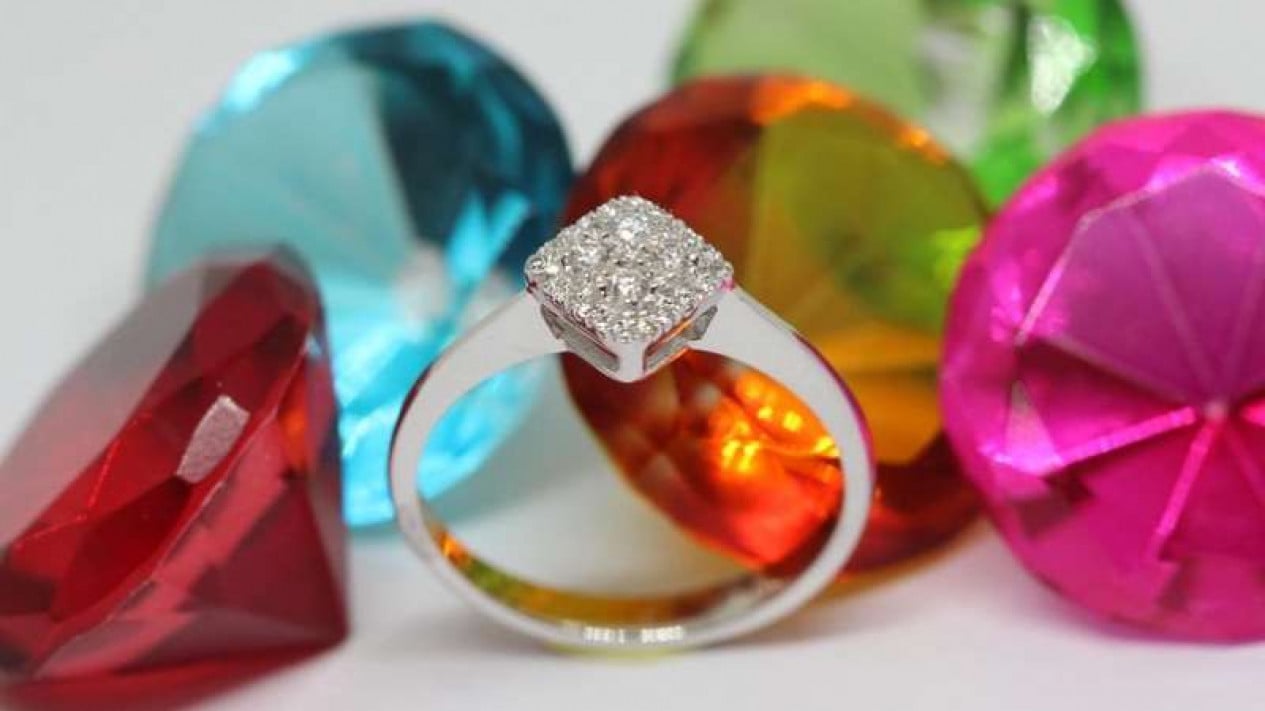
The uncontrollable surge in global gold prices is beginning to alter strategies within the jewellery industry. Amid pressures on margins and consumer purchasing power, several renowned brands are now turning to alternative precious metals to preserve attractiveness while keeping prices competitive.
The Italian luxury fashion house Bvlgari is one of the most aggressive in its innovations. The company has introduced a new collection that combines gold with steel, a non-precious material, in their iconic jewellery line.
Bvlgari Group CEO Jean-Christophe Babin stated that this strategy not only draws on the brand’s history but also adapts to current market conditions. In this way, younger generations can still own jewellery without worrying about inflation driving up gold prices.
“This ring is a beautiful alternative to the full-gold version, but it comes at a more attractive price due to its lower gold content. It reopens the jewellery market to younger generations who cannot keep up with gold price inflation,” Babin said, quoted from the Financial Times on Thursday, 16 April 2026.
According to Babin, the rise in gold prices over the past year has even forced the company to adjust product prices to maintain margins. One of their latest rings is sold for around £1,580, far lower than the full-gold version which reaches £2,590.
This phenomenon is occurring amid a global trend where prices of gold, platinum, and silver have collectively hit record highs. This situation is pushing many brands to experiment with alternative materials such as steel, aluminium, and niobium.
The American brand Eden Presley is also combining 14-karat gold with carbon-coated steel in its new collection. Founder Gwen Myers described the gold price surge as beyond reasonable limits.
“The collection name ‘In the Black’ reflects the condition of remaining profitable, because gold prices are currently very expensive,” she said.
In the UK, designer Alice Fry has introduced wedding rings made from niobium as a more affordable alternative to gold or platinum. This material is known for being hypoallergenic and having a futuristic appearance.
However, price is not the only driver. Changes in consumer tastes are also playing a significant role. Many buyers now seek jewellery that is unique, has high artistic value, and carries a different story.