
Global Gold Prices Fall Further as Markets Weighed Down by US Dollar Strength and High Interest Rates
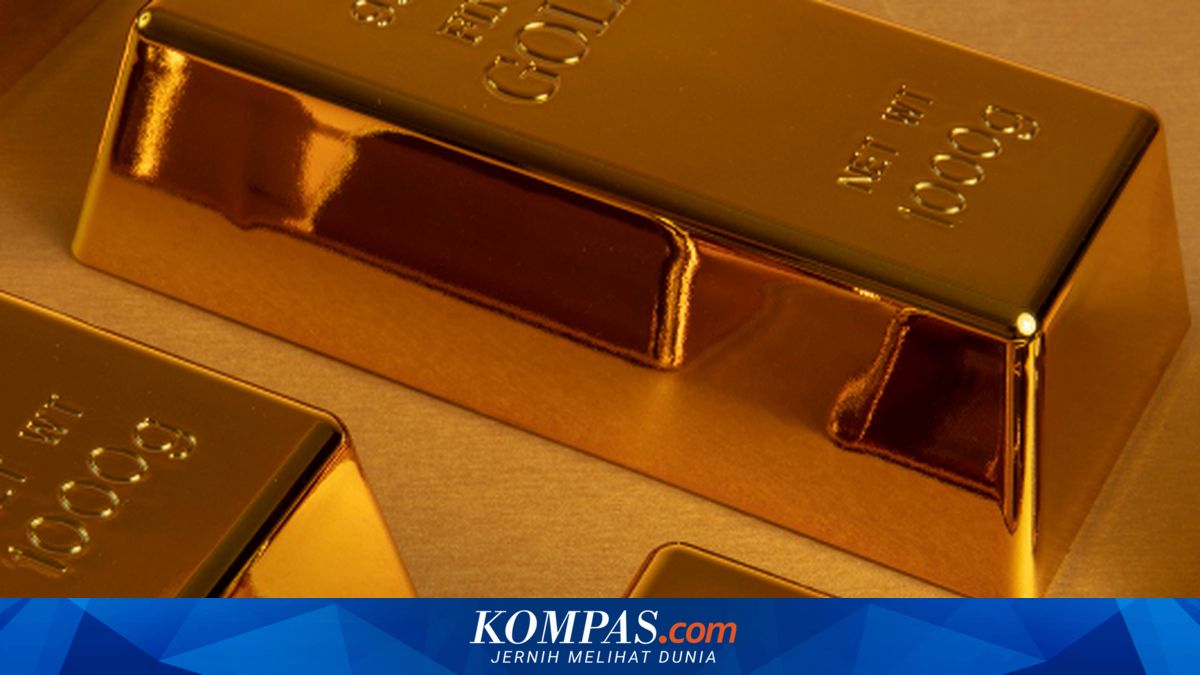
Global gold prices continued to weaken, declining more than 1 per cent at the close of trading on Thursday (12 March 2026) local time or Friday morning (13 March 2026) WIB.
The weakness in gold remains driven by the strengthening of the US dollar as well as fading hopes of interest rate cuts by the US Federal Reserve (The Fed).
According to Reuters, gold prices in the spot market fell 1.1 per cent to $5,118.16 per ounce. Meanwhile, US gold futures contracts for April delivery closed lower by 1 per cent at $5,125.80 per ounce.
The strengthening of the US currency has become one of the main factors pressuring gold prices. The US dollar index has strengthened for three consecutive trading sessions.
This appreciation makes gold more expensive for holders of other currencies, thereby dampening demand for the precious metal.
“A higher dollar index, rising US bond yields, and the absence of interest rate cuts are negative factors for gold. However, conflict in the Middle East has also driven some fund flows into safe haven assets,” said Phillip Streible, Head of Market Strategy at Blue Line Futures.
The incident has triggered concerns about disruptions to energy supplies from the region and pushed up global oil prices.
Iran’s new supreme leader, Ayatollah Mojtaba Khamenei, has stated that his country will retaliate against attacks on its martyrs, continue to close the Strait of Hormuz, and strike US military bases.
The rise in crude oil prices has the potential to increase inflationary pressure as transportation and production costs are also pushed higher. This condition impacts the decline in expectations for The Fed to lower interest rates.
Gold is typically viewed as a hedge or safe haven against inflation. However, high interest rates tend to reduce its appeal as investors switch to assets that provide yields.
“If they can prevent oil prices from rising further, gold should be in a good position. From a bullish perspective on gold, the main driver is purchases by central banks and the stability of investment demand,” he said.
Chile’s central bank has recorded its largest gold purchase since at least 2000. In February, the value of the country’s gold reserves increased to $1.108 billion, up from $42 million in January, equivalent to approximately 2.2 per cent of total foreign exchange reserves.