
Global Gold Price Rises 3 Percent, Analysts Call It the Best Time to Buy
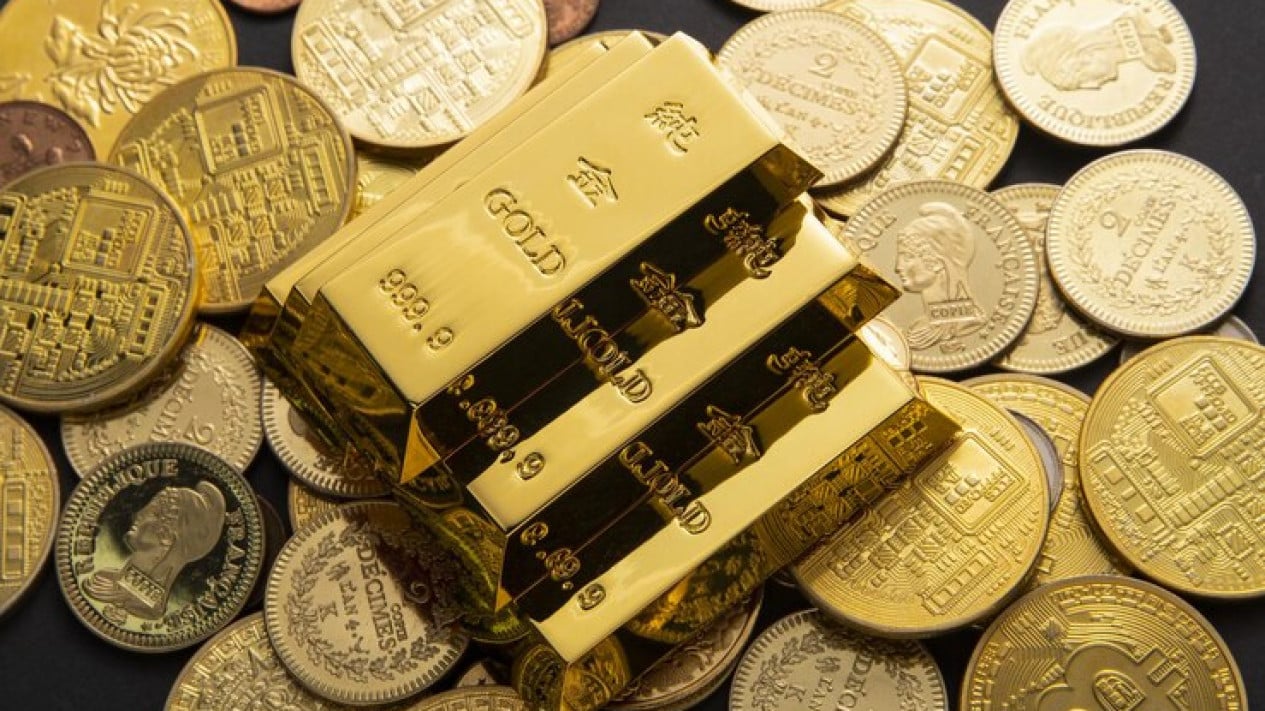
Jakarta – The global gold price rose more than 3 percent during trading on Friday, 27 March 2026. This rapid surge was driven by buying action on the dip after the yellow precious metal had weakened at the start of the week, as well as market participants’ hopes regarding the easing of conflict in the Middle East.
The global gold price was recorded to have risen 3.6 percent to US$4,536.29, or approximately Rp 77 million (estimated exchange rate of Rp 16,980 per US dollar), per ounce. Meanwhile, the US April gold futures contract also strengthened by 3.6 percent to US$4,533.70, equivalent to Rp 76.95 million.
Senior market analyst from RJO Futures, Daniel Pavilonis, assessed that the previous price decline actually presented an attractive opportunity for investors to enter the gold market. In fact, the gold price had even fallen below the 200-day moving average.
“The recent price decline has created a very good opportunity because the market had dipped… this is an extraordinary time to buy gold,” Pavilonis stated, quoted from CNBC International on Sunday, 29 March 2026.
For information, the global gold price had touched a four-month low at US$4,097.99 per ounce at the start of the week. Market sentiment began to reverse, and increasing buying interest propelled gold’s recovery.
Pavilonis predicted that the upward trend in gold prices would continue in the near term. “We will see a gradual rise over the next few weeks. If the situation with Iran can ease, then the opportunity to return to risk assets will become even more open,” he said.
The conflict between the US and Iran, which has entered its fourth week, continues to widen in the Middle East region, impacting the global economy. The surge in energy and fertiliser prices has triggered concerns over higher inflation.
This inflationary pressure has also altered expectations for Federal Reserve monetary policy. Market participants now anticipate that the US central bank may raise interest rates again, which typically acts as a negative sentiment for gold as it increases the opportunity cost of holding non-yielding assets.
Based on the CME Group’s FedWatch tool, the market has even removed expectations of a US interest rate cut in 2026. This differs from pre-conflict projections that anticipated two cuts.