
Global energy turmoil and the urgency of Indonesia's energy resilience
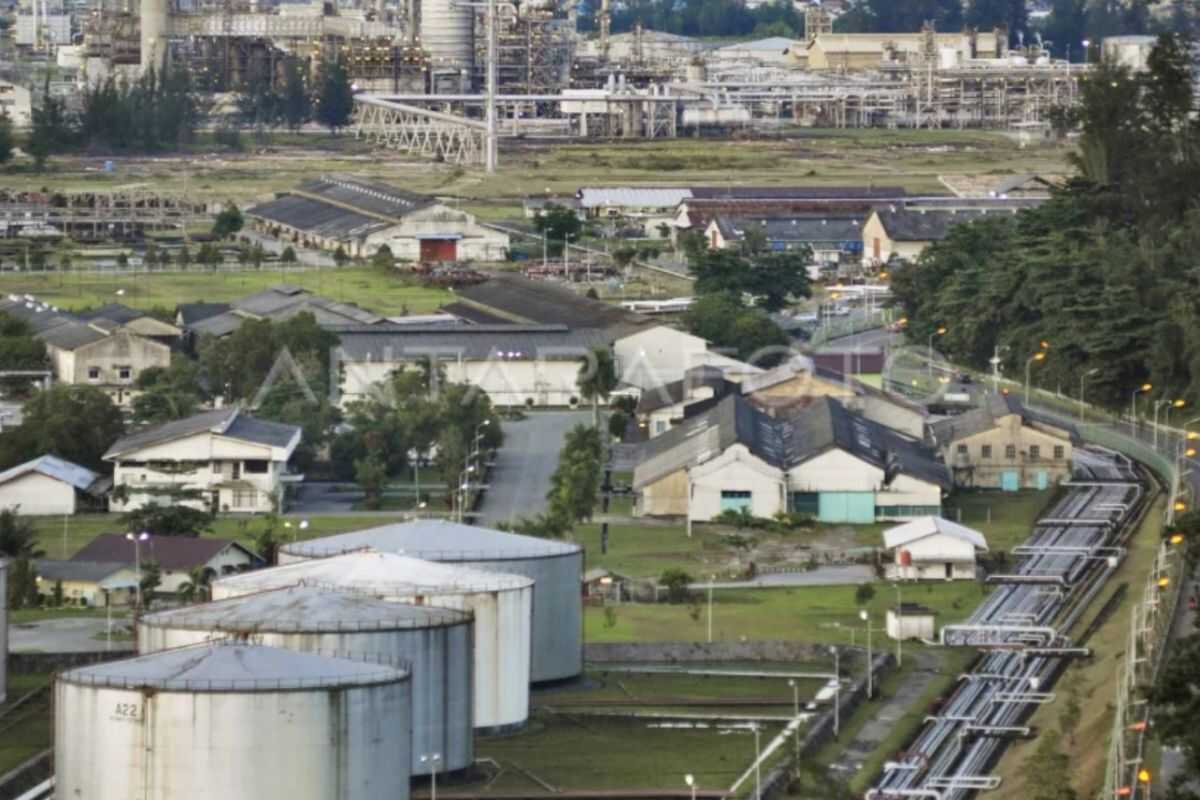
Jakarta (ANTARA) - The war involving Iran, the United States, and Israel again reminds the world that energy remains the heart of global geopolitics. The conflict in the Middle East almost always has effects far beyond the region itself because the Persian Gulf is the hub of global oil and gas production. When military tensions rise and strategic shipping routes such as the Strait of Hormuz are disrupted, the global energy market reacts immediately. Oil prices surge, gas supplies are threatened, and countries worldwide face renewed inflationary pressures. For Indonesia, which is still heavily dependent on energy imports, these developments are not merely foreign news but a real threat to national economic stability. The Strait of Hormuz holds a highly strategic position in the global energy system. About 20 percent of world oil trade, or roughly 17-20 million barrels per day, passes through this narrow sea lane. In addition, almost 30 percent of global LNG trade also passes through the same region. Gulf states such as Saudi Arabia, Qatar, the United Arab Emirates, Kuwait, Iraq, and Iran are major energy suppliers for the global industry, especially for Asian nations. When military conflict disrupts these shipping lanes, the impact is felt directly in international energy markets. Global oil prices have risen by more than 20 percent since early 2026, reflecting market concerns about the potential for prolonged supply disruptions. The rise in global energy prices has a ripple effect on the world economy. Energy is not only a traded commodity but also a key input in almost all economic activity. When oil and gas prices rise, transportation costs go up, electricity prices rise, and industrial production costs surge. Consequently, the prices of food, logistics, and various consumer goods are also pushed higher. In global terms, rising energy prices are often described as an “indirect tax” on all countries, especially for developing nations with limited fiscal space. Indonesia is among the countries vulnerable to such volatility. Although Indonesia still has domestic energy resources, structural realities show that Indonesia has been a net importer of oil since the mid-2000s. National oil consumption currently stands at around 1.6 million barrels per day, while domestic production is around 600 thousand barrels per day. In other words, more than 60 percent of Indonesia’s oil needs must be met through imports. When global oil prices rise, Indonesia’s energy import bills automatically increase and place pressure on the trade balance and the rupiah exchange rate. The impact does not stop at external accounts. High global energy prices can also widen the government’s fiscal burden. Indonesia still maintains various forms of energy subsidies, especially for fuels and electricity. In recent years, energy subsidy and compensation spending in the State Budget (APBN) has exceeded Rp500 trillion. If global oil prices rise significantly, for example from $80 per barrel to above $100, subsidy burdens could rise by tens to hundreds of trillions of rupiah. Without policy adjustments, this condition risks narrowing the government’s fiscal space to finance infrastructure, education, and health. Domestic inflation