
Global Energy Supply Disrupted, IEA: Indonesian Fuel and Electricity Prices at Risk of Surging
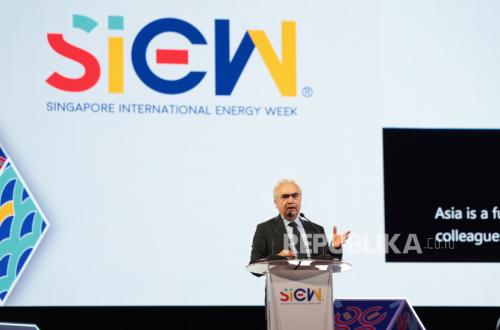
REPUBLIKA.CO.ID, PARIS - Disruptions to global energy supplies due to the conflict in the Middle East are beginning to pose risks of price pressures on domestic energy. The International Energy Agency notes that the majority of the world’s affected oil and gas flows are directed towards the Asian market, including Indonesia.
International Energy Agency Executive Director Fatih Birol stated that Asia’s dependence on energy supplies from the Gulf region means the conflict’s impact will be more acutely felt through price increases.
“Asia is the primary destination for energy exports from the Gulf region. Disruptions in the Strait of Hormuz will have a significant impact in this area, particularly through price hikes,” said Birol on Friday (27/3/2026).
The IEA records that around 80% of the oil passing through the Strait of Hormuz is destined for Asia. Additionally, more than 110 billion cubic metres of LNG crossed that route in 2025, equivalent to nearly 20% of global LNG trade.
As much as 90% of LNG from Qatar and the United Arab Emirates is also shipped to Asia, covering more than a quarter of the region’s import needs.
Since the conflict erupted at the end of February, global energy prices have experienced a sharp surge. Brent crude oil prices have risen nearly 50%, while European benchmark natural gas prices have jumped more than 70%.
In Asia, the pressure is even higher. Prices for products like diesel and jet fuel have more than doubled due to tight supplies from the Gulf region.
The IEA also notes that oil flows through the Strait of Hormuz have dropped drastically from around 20 million barrels per day to nearly halted. This situation has forced producer countries to cut production by more than 11 million barrels per day.
For Indonesia, the main impact from this situation will be felt through price channels. As a country that still imports crude oil and fuel, global price increases will raise energy procurement costs.
This condition could pressure the government’s fiscal space, especially if domestic energy prices are held through subsidy schemes. On the other hand, if price pressures persist, adjustments to non-subsidised fuel prices and electricity tariffs become unavoidable risks.
Additionally, rising LNG prices in the Asian market will also increase overall energy costs, which could ultimately affect electricity generation costs.
Global increases in diesel and jet fuel prices could also drive up domestic logistics and transportation costs, which may then trigger inflationary pressures.
“When global markets are shaken, the impact will be felt by importing countries through prices, not just supplies,” said Birol.