
Global Energy Supply Disrupted: How Will It Impact Indonesia?
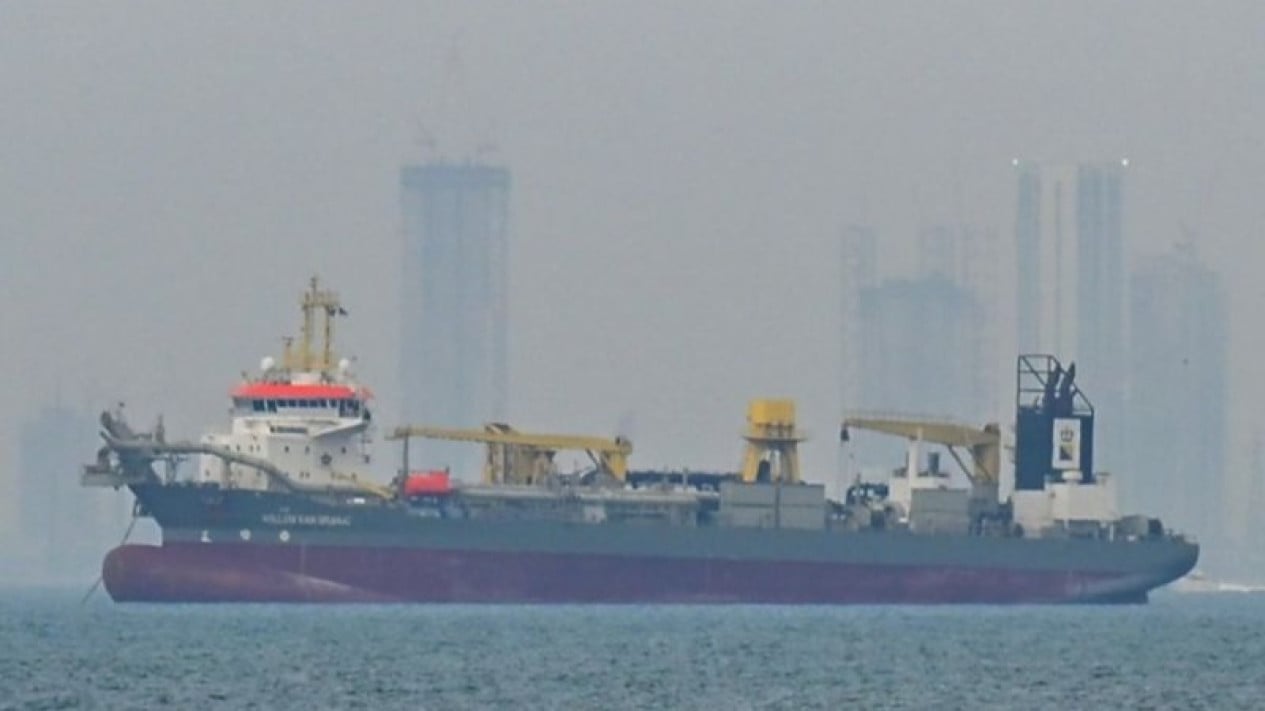
Geopolitical tensions worldwide, particularly the conflict between the United States and Iran that has triggered a surge in global oil and gas prices, are beginning to impact global energy stability, including in Indonesia, as supplies through the Strait of Hormuz are disrupted in March 2026.
This global energy distribution disruption has caused significant spikes in the prices of oil and liquefied natural gas (LNG). The situation is a concern for many countries due to high dependence on imported fossil fuels, including Indonesia, which still relies on foreign energy supplies.
Amid these conditions, Indonesia is considered to have a strategic position to face global pressures. This is because Indonesia possesses abundant reserves of critical minerals, which have long been an important part of the global energy and industrial supply chain.
Chief Executive Officer of the Institute for Essential Services Reform, Fabby Tumiwa, assesses that global geopolitical dynamics actually open opportunities for Indonesia to play a greater role.
“In the midst of rising geopolitical tensions and global competition for critical minerals, Indonesia has a very strategic position because its reserves of nickel, copper, bauxite, and tin form the main foundation of the industry,” said Fabby in a written statement on Monday, 30 March 2026.
Based on data from the Ministry of Energy and Mineral Resources (ESDM) as of December 2024, Indonesia has nickel resources of 6.74 billion tonnes with reserves of 3.13 billion tonnes. In addition, copper resources reach 18.336 billion tonnes with reserves of 2.86 billion tonnes.
For bauxite, it is recorded at 7.79 billion tonnes of raw ore, 3.93 billion tonnes of washed bauxite, and 1.32 billion tonnes of alumina. Meanwhile, tin ore resources reach 8.27 billion cubic metres with reserves of 6.43 billion cubic metres.
According to Fabby, amid the fragmentation of the global supply chain, Indonesia not only has the opportunity to become a raw material supplier but can also elevate its role in the global value chain if it can manage these resources optimally.
“Strengthening resource-based industries is a momentum for Indonesia to leap into a higher global value chain,” he said.
“Transport electrification is a key strategy to reduce dependence on energy imports while curbing the energy subsidy burden,” he emphasised.