
Global Energy Shocks Rock Financial Markets, Investors Shift to Liquid Assets
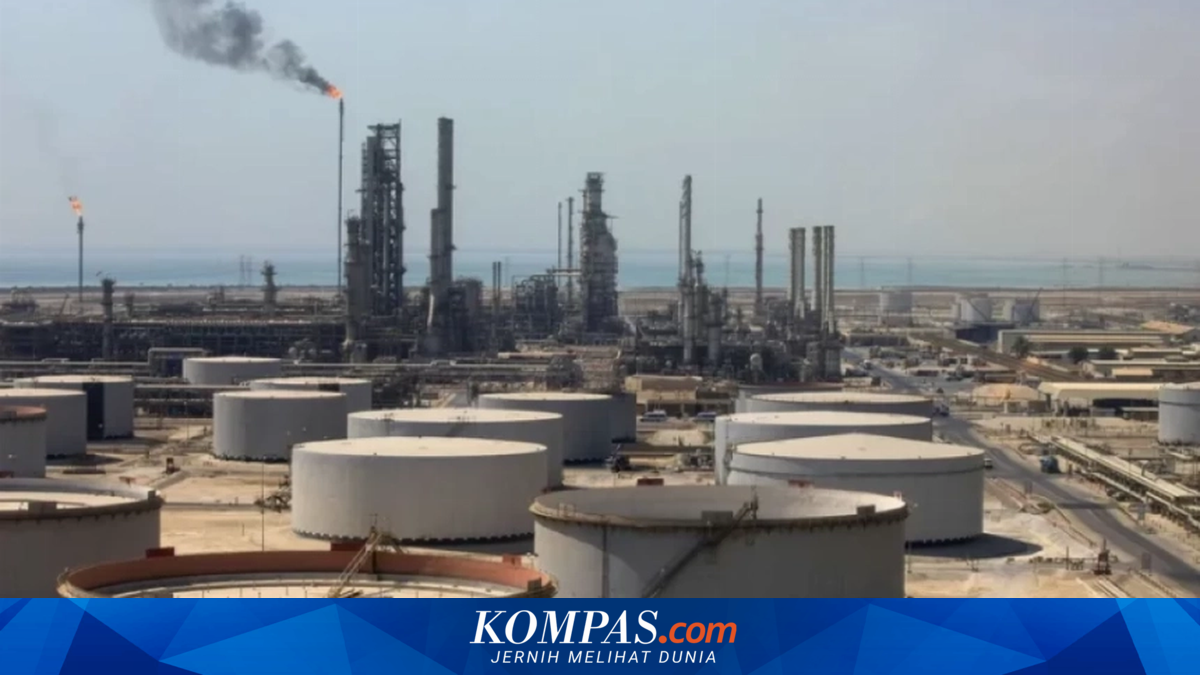
JAKARTA - Disruptions to global energy infrastructure and supply chain issues for oil and gas in the Middle East region are beginning to reshape global financial prospects. Rising uncertainty is prompting investors to adjust their investment strategies by increasing allocations to liquid instruments and reducing exposure to risky assets. The World Economic Forum (WEF) in its latest report highlights how energy volatility has become a primary factor influencing global market dynamics. Quoted from the WEF’s official website on Wednesday (25/3/2026), damage to major energy infrastructure during the ongoing conflict in the Middle East, along with the effective closure of the Strait of Hormuz to most commercial traffic, are factors exacerbating market uncertainty. This route accounts for around 20 percent of global oil and 21 percent of liquefied natural gas (LNG) supplies. Analysts warn that markets may be underestimating the scale of these disruptions. Birol assesses that policymakers and investors have not yet fully grasped the potential impact of what he calls the “largest supply disruption in the history of global oil markets.” This supply disruption is triggering significant changes in energy market sentiment. The global benchmark Brent crude oil price, which surged above $110 per barrel, indicates a shift from short-term conflict-driven price spikes to more tangible global supply constraints. Supply disruptions and their impact on market stability Price surges in energy occurred following damage to several key infrastructures in the Middle East region. Israel’s attack on Iran’s South Pars gas field and retaliatory strikes on Qatar’s Ras Laffan complex have affected two major LNG facilities. This damage is estimated to reduce Qatar’s LNG export capacity by around 17 percent for up to five years.