
Global Energy Crisis Looms as Asian Nations Tighten Their Belts
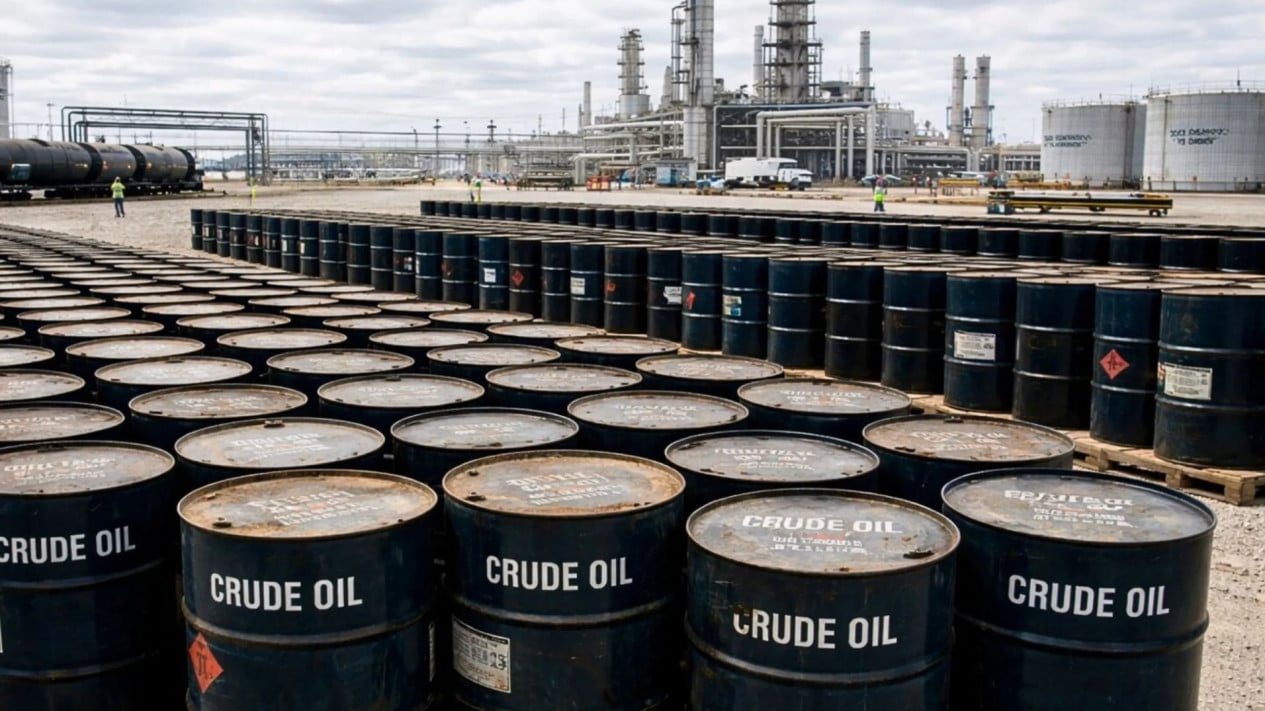
Rising global oil prices have again shaken the world economy. The conflict involving Iran, Israel and the United States has disrupted strategic energy distribution routes and sparked concerns about fuel crises across many countries.
The situation has become more serious following the effective closure of the Strait of Hormuz, one of the world’s most critical oil shipping routes, to vessel traffic. As a result, Asian nations, which are highly dependent on energy imports from the Middle East, are beginning to feel substantial pressure on fuel supplies.
Governments across various countries are taking emergency measures. Unusual policies are being implemented, ranging from work-from-home arrangements, reducing working days to four per week, to restricting energy use in government offices.
As is known, Asia is a region heavily reliant on Middle Eastern oil. Japan is known to obtain approximately 90 per cent of its oil supply from the region, whilst South Korea obtains around 70 per cent.
This has led several Asian countries to implement fairly drastic energy conservation policies. According to Fortune on Thursday, 12 March 2026, the Thai government has ordered civil servants to use stairs rather than lifts as an effort to save electricity.
Additionally, government employees have been asked to work from home during the duration of the crisis. The Thai government has also raised the air-conditioning temperature in offices to 27 degrees Celsius and encouraged employees to wear short-sleeved shirts instead of formal suits. This occurs because Thailand has only around 95 days of remaining energy reserves.
Vietnam is encouraging companies to implement work-from-home systems to reduce fuel consumption for transport. The government has stated that the policy aims to reduce the need for travel and transportation.
The Philippines is also promoting a four-day work week system. Government officials have even been asked to limit travel only to genuinely essential activities.
Not only East Asia and Southeast Asia, but South Asia is also experiencing the energy crisis. Bangladesh, for instance, has advanced the Eid al-Fitr holiday so that universities can close earlier as part of energy conservation measures.