
Global Energy Alert: Coal Prices Strengthen Amid Middle East Conflict
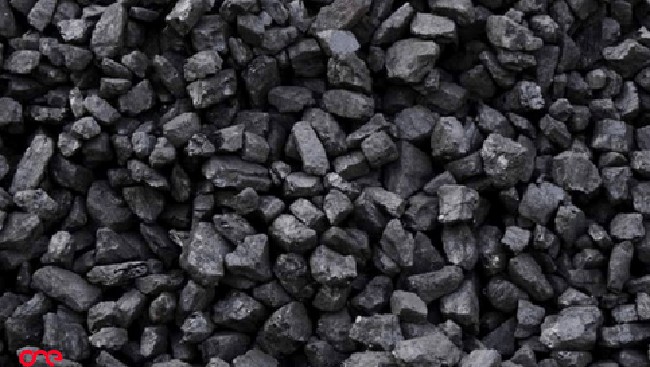
The global coal market is entering a period of volatile movement. Prices are rising amid global energy uncertainty triggered by Middle Eastern conflict. Regional tensions are disrupting major world energy supplies and prompting a shift in power generation strategy across various countries.
Coal prices stood at USD 137.30 per tonne on 13 March 2026. This figure declined slightly by 1.05% from the previous day. On a monthly basis, prices rose sharply by 18.11%. On an annual basis, the increase reached 36.28%.
The price increase occurred after Asia’s benchmark coal contract surged sharply at the beginning of the week. The Newcastle contract jumped as much as 9.3% and touched USD 150 per tonne. This level became the highest since November 2024.
The surge in energy prices stems from escalating Middle East conflict. Ongoing military attacks in the region have triggered concerns about disruptions to global energy supplies.
Tensions increased after Iran tightened control over the Strait of Hormuz, a vital global energy trading route.
This geopolitical tension has directly impacted the oil market. Brent crude oil prices surpassed USD 100 per barrel following Iran’s new supreme leader, Mojtaba Khamenei, stating his commitment to keeping the Strait of Hormuz effectively closed. United States President Donald Trump also stated that preventing Iran from acquiring nuclear weapons is more important than the impact of rising oil prices.
Energy supply disruptions have intensified following the shutdown of Qatar’s liquefied natural gas export facility. Iranian drone attacks forced the suspension of operations at the world’s largest LNG facility, which accounts for approximately 20% of global supply.
This situation has shaken the global gas market. Reuters reported that LNG prices in Asia surged sharply and even more than doubled in a single week. LNG for North Asian delivery jumped 116% to reach USD 22.50 per million British thermal units in the week ending 6 March.
Rising gas prices have created room for fuel switching in the electricity sector. Reuters reported that power plants in Japan and South Korea are beginning to consider using coal as a replacement for increasingly expensive gas. Both countries have the flexibility to switch fuels in their power plants.
Coal price movements are also evident in regional markets. High-quality thermal coal with an energy value of 6,000 kilocalories per kilogram at Newcastle port rose to USD 129.62 per tonne in the week ending 6 March. This price represented the highest level in 14 months.
Price increases have also occurred for coal destined for Europe. Thermal coal from Richards Bay port in South Africa reached USD 113 per tonne at the beginning of the week, up from USD 98.90 at the end of February.
Nevertheless, coal price increases remain more limited compared to the gas surge. Global coal supply is relatively stable because there are no major production disruptions from major exporting countries such as Australia, South Africa, Indonesia, and Colombia.
Power plant capacity factors also limit demand surge. Many European countries have closed coal-fired power plants over the past two decades. Spain closed 13.18 gigawatts of capacity between 2000 and 2025. Germany shut down 33.57 gigawatts of coal-fired power generation capacity during the same period.
In East Asia, changes in energy policy also influence demand. Japan closed nearly 1,200 megawatts of coal-fired power plant capacity in the last three years. South Korea continues to increase coal-fired power plant capacity but has plans to close 40 of 61 units by 2040.
Global energy consumption patterns also determine market direction. China and India, as the world’s two largest coal importers, have electricity systems dominated by domestic coal. Gas accounts for only approximately 3% of electricity production in China and approximately 2.8% in India.
This situation means that rising gas prices do not automatically increase coal imports in both countries. Large domestic production allows China and India to restrain import needs.
The Middle East conflict is driving demand for alternative energy for power plants. Meanwhile, power generation capacity and long-term energy policy are limiting increases in consumption. This dynamic keeps coal prices elevated despite the global energy market being in a highly volatile phase.