
Global Emergency: Saudi Arabia, Iraq, UAE and Kuwait Cut Oil Production by 6.7 Million Barrels
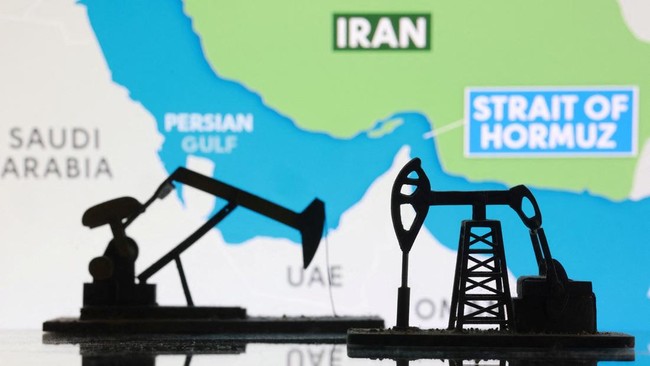
Four major oil producers in the Middle East—Saudi Arabia, Iraq, the United Arab Emirates, and Kuwait—have collectively cut oil production by 6.7 million barrels per day. This action comes amid the escalating conflict between Iran and the United States, which has now entered its second week.
According to The Edge Malaysia, the conflict has effectively closed the region’s primary export routes, causing storage tanks to fill up and forcing production cuts. The situation has also triggered significant disruptions to the global energy supply chain.
Saudi Aramco CEO Amin Nasser stated that this crisis represents the largest challenge the oil and gas industry in the region has ever faced. He made this statement during a company performance presentation to investors.
According to him, the production cuts by the four countries represent the most tangible supply response since the war began. Overall, their combined production has declined by as much as one-third from previous levels.
Chaos and halted export operations briefly pushed oil prices near US$120 per barrel on Monday. However, prices declined after US President Donald Trump stated the war would likely end soon.
In detail, Saudi Arabia has cut production by approximately 2 to 2.5 million barrels per day. The United Arab Emirates has reduced output by approximately 500,000 to 800,000 barrels per day, whilst Kuwait has cut roughly 500,000 barrels per day and Iraq approximately 2.9 million barrels per day.
Nasser added that the disruption has triggered cascading effects across various sectors, ranging from shipping and insurance to aviation, agriculture, and automotive industries. He warned that the consequences for the global oil market and the world economy will be increasingly severe if the disruption continues for longer.
During the call, Nasser declined to provide direct comment on his company’s latest production levels. Nevertheless, data shows the largest proportional cuts occurred in Iraq, reaching nearly 60%.
Meanwhile, the production cuts by Saudi Arabia, the United Arab Emirates, and Kuwait represented approximately 20% to 25% reductions from February production levels. This data was compiled by Bloomberg based on sources familiar with the production policies of those countries.
Nasser also highlighted that global oil reserves are currently at their lowest level in the past five years. With the ongoing geopolitical crisis, these reserves are expected to deplete more rapidly.
He emphasised that the vast majority of the world’s spare oil production capacity is located in the Middle East. Therefore, ensuring uninterrupted shipments through the Strait of Hormuz is absolutely critical to the stability of the global energy market.