
Global Crude Oil Prices Predicted to Surge Following Strait of Hormuz Closure Amid Iran-Israel Escalation
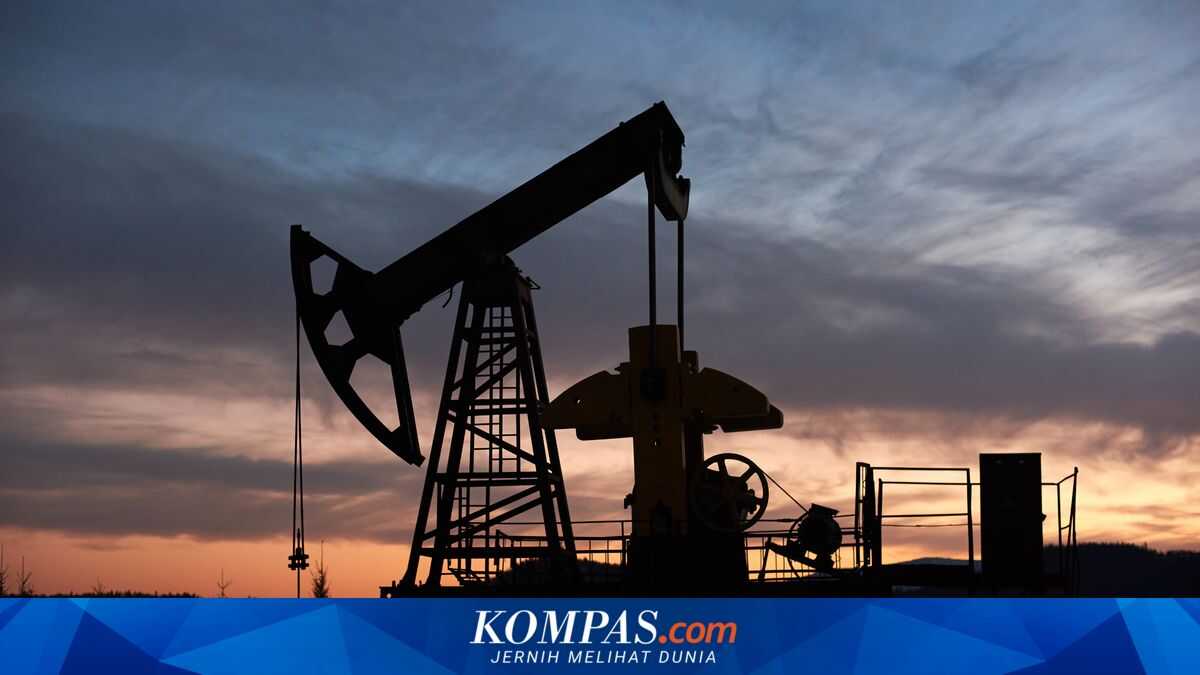
Global crude oil prices are predicted to rise as tensions escalate among the United States, Israel, and Iran, resulting in the closure of the Strait of Hormuz.
The Strait of Hormuz is a strategically important shipping route and one of the world’s primary oil distribution channels. The escalating tensions have immediately shaken the global energy market and triggered a surge in crude oil prices.
Data from broker IG shows that US crude oil prices could potentially jump approximately 11 percent when trading resumes. The Guardian reported that this increase is occurring despite the OPEC+ organisation of oil-producing nations agreeing to increase production beyond initial plans in an effort to mitigate the conflict’s impact on global supply.
The closure of the Strait of Hormuz was triggered by a sailing ban issued by Iran’s Revolutionary Guards. Approximately 20 percent of global oil supply transits through this route, with annual trade value equivalent to $500 billion.
Analysts note that attacks on shipping have significantly impacted war insurance premiums. At least 150 crude oil tankers and liquefied natural gas carriers have chosen to anchor in open waters, and maritime traffic has nearly come to a standstill.
Tehran previously warned of the possibility of closing the strait as a response to military strikes. Senior analyst Tamsin Hunt of S-RM believes this action poses significant risks to Iran itself.
“A full closure of the Strait of Hormuz would devastate Iran’s own economy,” Hunt stated.
Futures markets are projecting US crude prices to rise from $67 per barrel to approximately $74 per barrel, the highest level since June 2025. Barclays analysts estimate prices could reach $80 per barrel if supply disruptions worsen. Royal Bank of Canada warned that prices could potentially break through $100 per barrel if the conflict expands.
“As far as we understand, regional leaders have warned Washington about the risks of widespread contagion (economic spillover) should further confrontation with Iran occur, and emphasised that oil prices above $100 per barrel represent a genuine and serious threat,” the Royal Bank of Canada analyst stated.
“Fuel prices have risen over the past week and the escalation of conflict could increase fuel costs for drivers,” said spokesperson Luke Bosdet of the Automobile Association.
The conflict’s impact is also being felt in global financial and logistics markets. Several ports in the Gulf region have suspended operations. Shipping companies have delayed deliveries. Ship insurance costs have surged.
The International Maritime Organisation has urged vessels to avoid affected areas until the situation returns to normal. Pressure on global supply chains is mounting and risks driving increases in energy prices and other commodities in the near term.