
Global Collaboration: Pertamina Partners with Toyota to Develop E10
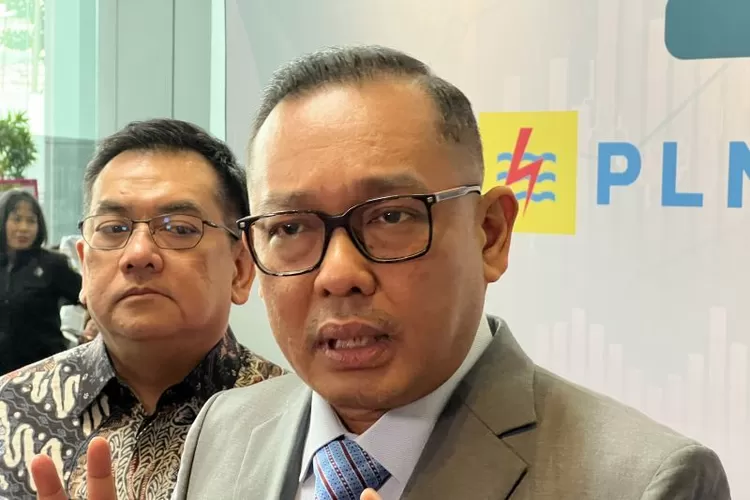
The government is accelerating the development of new renewable energy (EBT). One of them is through the bioethanol factory construction project involving collaboration between state-owned enterprises (BUMN) and global investors. Deputy Minister of Investment and Downstreaming/Deputy Head of BKPM, Todotua Pasaribu, revealed that Pertamina New & Renewable Energy (NRE) will collaborate with Toyota in building a bioethanol facility in Indonesia. This project is part of the government’s strategy to support the mandatory blending of 10% bioethanol (E10) in petrol no later than 2028. “Ethanol is one of the renewable blend energies we are developing. The government has set a maximum mandatory target for 2028,” he said in Jakarta on Monday (20/4/2026). The cooperation focuses on developing second-generation (2G) bioethanol based on multi-feedstock. The raw materials come from domestic sources such as palm biomass, corn, to sorghum. According to Todotua, this project demonstrates synergy between BUMN and global investors in building the future energy ecosystem. Currently, the cooperation process has moved from the exploration stage to more concrete implementation. The bioethanol factory is planned to be built in Lampung. The area is considered strategic due to the abundant availability of raw materials, from sugarcane to other food crops that can be processed into ethanol. “This project also includes the development of raw material land, including the planting of sorghum to support supply,” he said. In the initial stage, production capacity is targeted at 60,000 kilolitres per year. Factory construction is planned to begin in the third quarter or at the latest the fourth quarter of 2026, as the project feasibility study is nearly complete. On the other hand, Toyota’s Chief Executive Officer for the Asia region, Masahiko Maeda, views bioethanol as closely linked to the automotive industry. Ethanol-based fuel can be used in vehicles that are already produced. “Together with the government, we can provide (ethanol for) the types of vehicles we already have,” he said. The development of bioethanol is part of the national energy roadmap. The government targets the implementation of E5 in 2026–2027, increasing to E10 in 2028–2030, and towards E20 in the long term.