
Gilimanuk Port Gridlocked for 45 Km While Merak Smooths Out – What's the Cause?
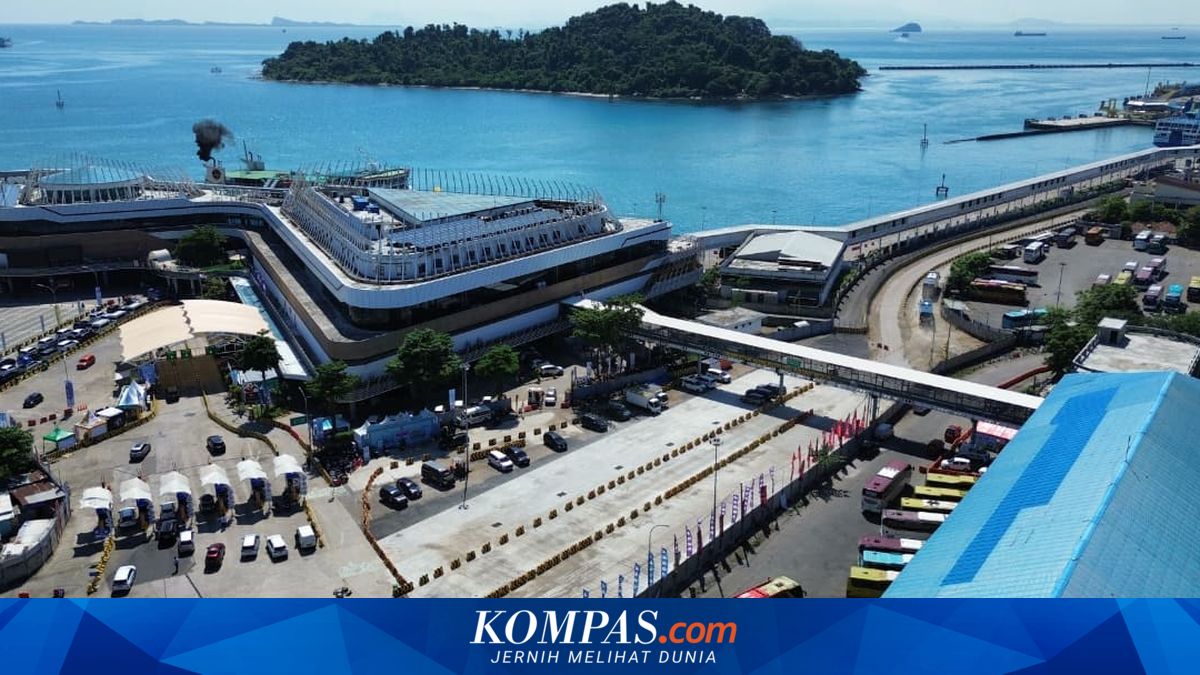
Jakarta, Kompas.com – The peak Eid exodus in 2026 presents an ironic picture. Whilst Merak Port in Banten begins to demonstrate system maturity, Gilimanuk Port finds itself engulfed in severe congestion stretching 45 kilometres to reach Jembrana City.
This phenomenon is viewed as a manifestation of inadequate port infrastructure preparedness in responding to the rapid growth of tollway access.
Khoiri Soetomo, Chairman General of GAPASDAP, identified five crucial factors that have become the “blockage” in the Bali Strait.
First is an unusual convergence of traffic flows – the Eid exodus migration coinciding with the outflow of Balinese residents ahead of Nyepi.
However, the third factor is the most fundamental: capacity disparity. Whilst tollways continue to be widened and accelerated, port capacity at Gilimanuk and Ketapang has stagnated.
The port has become a choke point where ships are forced to queue to dock, triggering a domino effect that spreads onto national roads.
“The main problem lies in an uncoordinated arrival system and the addition of fleet vessels without proportional port infrastructure development. As long as the port is not expanded, the national road will continue to transform into a giant parking area,” Khoiri Soetomo stated firmly on Wednesday (18 March 2026).
Meanwhile, the situation in Banten’s region presents a striking contrast. Merak Port is observed to be relatively smooth-running thanks to the single-fare ticket policy implemented since 2025.
Passengers are no longer confined to specific vessel types, resulting in much more fluid cargo distribution.
GAPASDAP is urging the government to evaluate the Joint Ministerial Decree (SKB), which is deemed overly rigid, so that major infrastructure at Merak can be utilised maximally to alleviate congestion at other points.
Transport analyst Djoko Setijowarno from the Centre for Transportation Studies Institute (MTI) emphasises that the paradox at both locations portrays the chaotic state of ports alongside accompanying sociological issues: the collapse of public transport services in destination areas.
“We cannot simply prohibit people from using motorcycles for Eid migration if the government fails to provide connectivity to village levels,” Djoko stated.