
Getting to Know Ali Larijani, Iran's De Facto Ruler
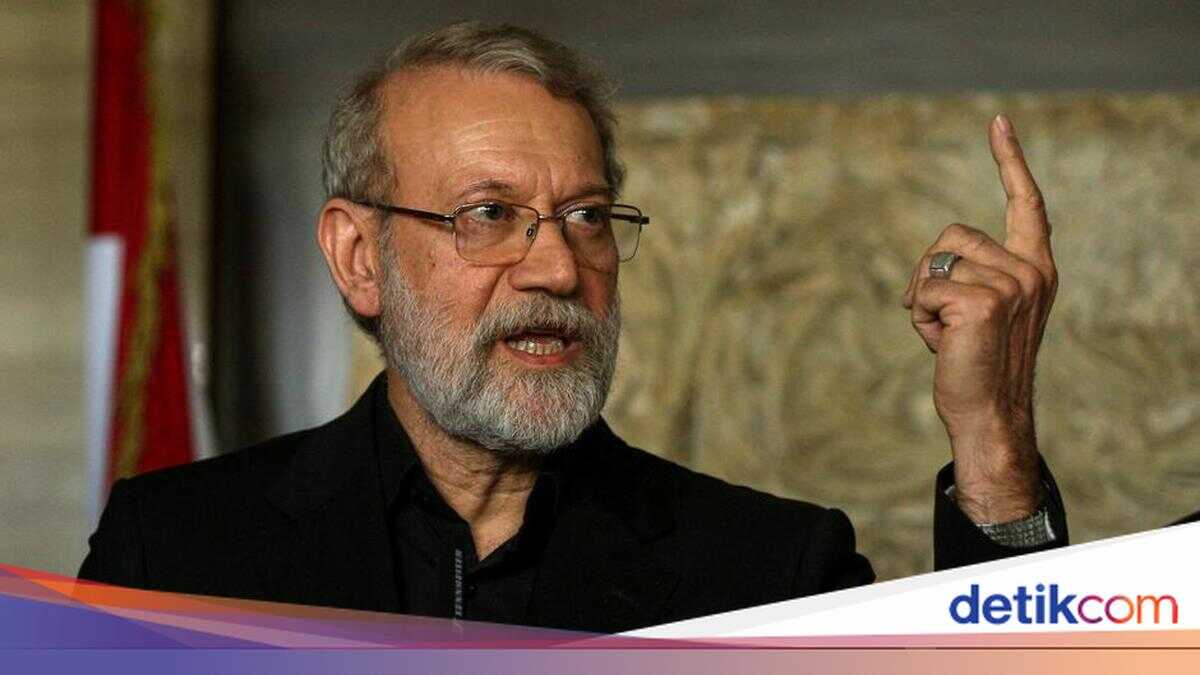
An air strike on the Tehran residence of Ayatollah Ali Khamenei, one of the early waves of the US-Israel war against Iran at present, killed the supreme leader, aged 86, along with much of Iran’s command structure. Iran has not decided who will be the next leader. However, for the moment, the power vacuum appears to be filled by Iran’s top national security official, Ali Larijani, who is said to be one of the few people trusted by Khamenei to safeguard the regime’s continuity should the ayatollah die. Around 24 hours after the attack in Tehran, Larijani appeared on national television and on social media to condemn the United States (US) and Israel for having ‘burnt the heart of the Iranian nation.’ ‘We will burn their hearts,’ he said. ‘We will make the Zionist criminals and the shameless Americans regret their actions.’ Although such tough statements are not surprising from Larijani, he has also built an international reputation as a pragmatic figure. During decades in politics, he has positioned himself as a power broker who is ruthless at home yet a capable negotiator in dealings with Russia, China, and even the United States. Yet, with the US and Iran now in an open state of war, Larijani, aged 67, immediately rejected President Donald Trump’s assertion that Iran’s leaders ‘want to talk’ and that negotiations would occur, a statement Trump made to The Atlantic magazine on Sunday (01/03). ‘We will not negotiate with the United States,’ Larijani wrote on the X platform. ‘Iran’s Kennedy’
Larijani’s new position at the top of Iran’s hierarchy is quite surprising, given he lacks a formal route to succeed Ali Khamenei. Both Khamenei and his predecessor, Ruhollah Khomeini, are senior Shia clerics who have been installed as supreme leaders since the 1979 Revolution.
Larijani, born in Iraq, is not a cleric. Yet he comes from a family with strong religious and political networks, and Time magazine once dubbed him part of Iran’s ‘Kennedy family’. Ayah Larijani’s father was a grand ayatollah. His brother, Sadeq Ardeshir Larijani, also earned the title of ayatollah and pursued politics, even serving as head of Iran’s judiciary from 2009–2019. Another brother, Mohammad-Javad Larijani, is a senior foreign policy figure who served as adviser to the late Ayatollah Khamenei. Even before Khamenei’s death, rumours circulated that the Larijani clan was trying to place one of its members as the next supreme leader. Ayatollah Sadiq Larijani openly stated that his brother was disqualified on the basis of ‘false information from intelligence services’ and that ‘falsehood’ was deliberately spread in the Guardian Council. To DW, Iranian analyst Ali Afshar said at the time that the main reason for the disqualification