
Gerindra Legislator Pushes for Enhancement of Indonesian Migrant Workers' Skills
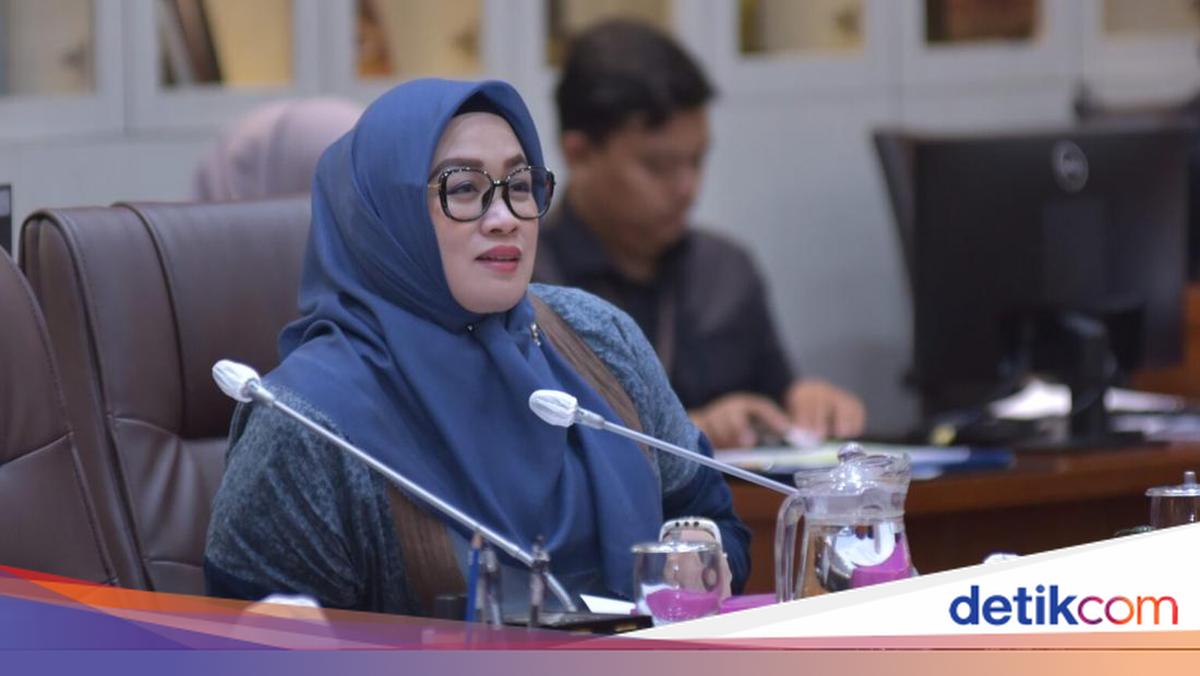
The Deputy Chair of Commission IX of the Indonesian House of Representatives assesses that the current composition of Indonesian Migrant Workers (PMI) is still dominated by informal sector workers who are vulnerable to various issues, both in terms of legal protection and welfare.
“We need to encourage the transformation of PMI to be more skill-based, so that it is no longer dominated by domestic sector workers such as household assistants,” said Putih Sari in a written statement on Saturday (11/4/2026).
According to her, migrant workers with special skills have a stronger bargaining position in destination countries. In addition, they also have the opportunity to obtain more decent wages and better labour protection.
“If they are equipped with adequate skills, then access to formal employment will be wider open, and of course the protection will also be stronger,” she explained.
This young figure from the Gerindra Party emphasised that this transformation must begin from the pre-placement stage through strengthening vocational training, competency certification, and adjustment to global labour market needs. She assessed that the approach that has been taken so far is still too focused on the quantity of placements, not the quality of the workforce.
“We must prepare from upstream. Starting from training that matches needs, recognised certification, to mapping destination countries that need skilled labour,” she stressed.
She emphasised that this paradigm shift is important to increase the competitiveness of Indonesian labour in the global market. PMI should no longer be positioned as cheap labour, but as professional workers with competencies.
“Our PMI must level up. From the informal sector to the formal sector that is more protected and has added value,” she added.
Commission IX of the Indonesian House of Representatives will continue to push the government so that future PMI placement policies are more oriented towards improving the quality of human resources. According to her, in this way, the protection and welfare of PMI can be improved sustainably.
“We want PMI not only in large numbers, but also of high quality and highly competitive,” she concluded.