
Geopolitics of Oil and the Urgency of International Civil Law
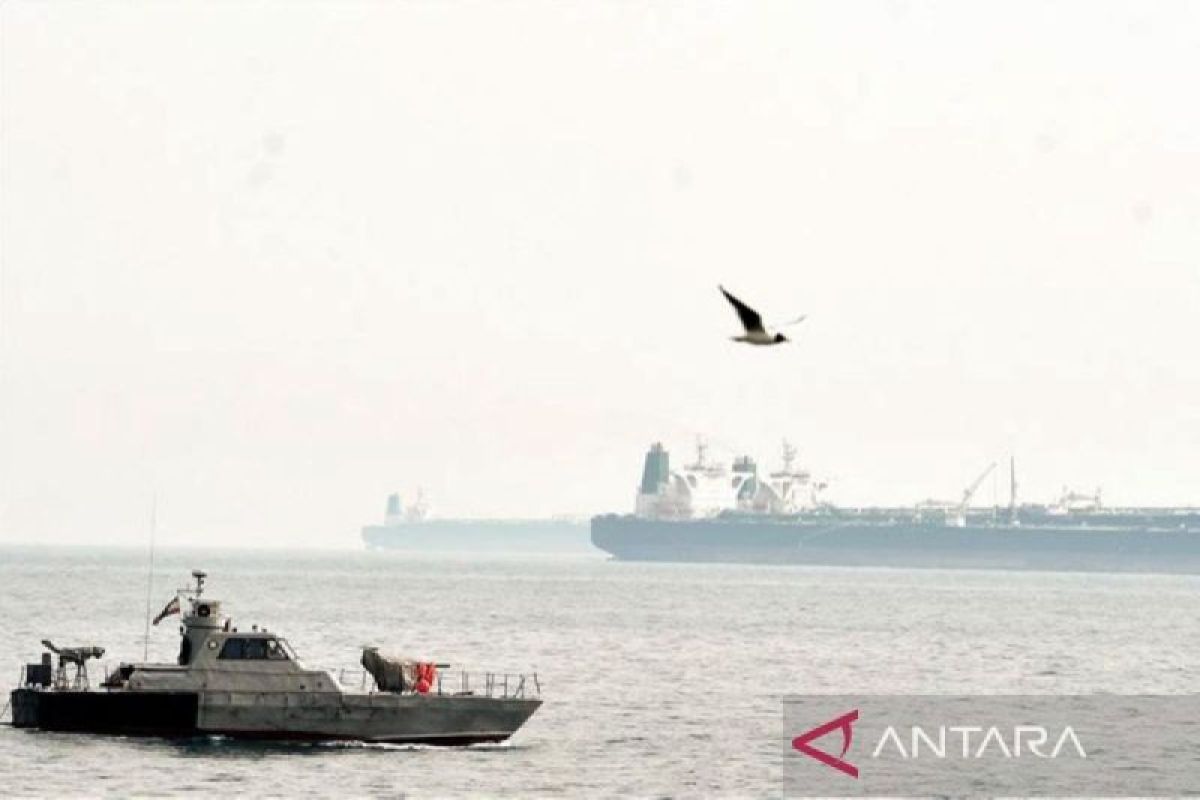
Wars frequently remind the world that energy is not merely an economic commodity, but also a geopolitical instrument. When conflict between the United States-Israel and Iran escalates, global attention immediately turns to the Strait of Hormuz, a narrow sea route that has been one of the vital arteries of global oil trade for decades.
Since the first strikes in late February, Iran’s Supreme National Security Council Secretary General Ali Larijani declared his country’s readiness to confront prolonged conflict.
In this increasingly tense situation, President Prabowo Subianto’s push for peaceful diplomatic efforts deserves commendation. This stance reflects the consistency of Indonesia’s independent and active foreign policy, whilst also demonstrating awareness that geopolitical conflicts in the Middle East almost invariably have far-reaching consequences for global energy stability and economic security.
For Indonesia, warfare in the region is not merely a distant conflict. Its impacts can be directly felt on domestic energy security. Minister of Energy and Mineral Resources Bahlil Lahadalia stated that national fuel reserves are only at approximately 20 days of national consumption. This statement opens space for serious reflection regarding Indonesia’s energy resilience.
The government has emphasised that this figure reflects the capacity of national energy storage, not an emergency supply condition. However, this fact still demonstrates that Indonesia’s energy system remains vulnerable to external shocks.
According to the U.S. Energy Information Administration, approximately 20 per cent of global oil trade passes through the Strait of Hormuz every day. If this route is disrupted due to conflict or geopolitical decisions by certain nations, global oil prices will almost certainly spike sharply.
In such circumstances, energy-importing nations like Indonesia will face significant fiscal pressure. Rising oil prices can force the government to increase energy subsidies and fuel price compensation. Several economic analyses estimate that an increase in oil prices from around 70 dollars to more than 100 dollars per barrel could add a burden to the national budget of between 50 trillion to 100 trillion rupiah. This risk is exacerbated by the potential weakening of the rupiah exchange rate and domestic inflationary pressures.
This situation demonstrates that Indonesia’s energy resilience is not solely determined by production capacity or national energy reserves. It is also heavily influenced by the nation’s ability to manage international economic relations effectively. In the modern global economy, a nation’s energy stability is not only determined by production capacity, but also by the strength of the legal framework governing cross-border energy contracts. It is in this context that International Civil Law becomes increasingly relevant.
The ratification of International Civil Law is therefore not merely a legislative reform agenda. It is part of a broader strategy to strengthen energy resilience and Indonesia’s geo-economic sovereignty amid global turbulence.