
Geopolitics Heats Up, DPR Urges Government to Accelerate Energy Independence
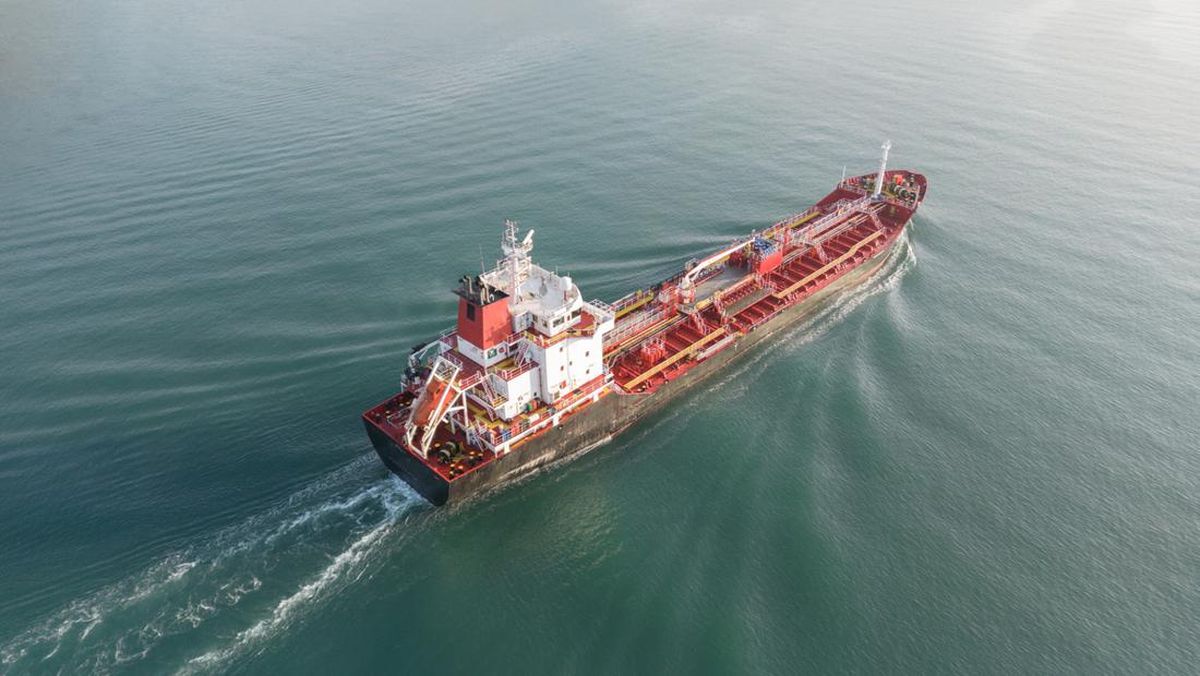
Commission XIII of the Indonesian DPR urged the government to accelerate the national energy independence programme amid global geopolitical uncertainty. Member Bias Layar of Commission XIII argued that the escalation between Iran and the United States and Israel should serve as a warning to the government to promptly strengthen the nation’s energy independence. He emphasised Indonesia’s reliance on imports of crude oil and refined petroleum products (BBM) from the Middle East, which is currently in conflict, potentially posing a major risk to national economic stability.
‘The tensions around global energy routes such as the Strait of Hormuz, one of the world’s main oil distribution channels, can trigger drastic energy price spikes,’ he told reporters on Saturday (7 March). ‘If the global conflict widens, world oil prices could even rise above US$100 per barrel,’ Bias added.
Bias said such a situation is very likely to place substantial pressure on the national economy, from rising inflation, increases in the price of essential goods, to heavy pressure on the structure of the national budget (APBN). Therefore, he urged the government to take strategic steps immediately by reducing dependence on oil imports from the Middle East and expanding energy cooperation with other countries in the Americas, Africa, and the Asia-Pacific region.
Moreover, Bias suggested the Ministry of Energy and Mineral Resources (ESDM) should push Pertamina to accelerate the national oil production target to 1 million barrels per day. ‘This step must be accompanied by the development of energy infrastructure, increased storage capacity for national fuel reserves (BBM), and adequate fiscal policy support,’ he said.
The rise in energy prices is driven by the ongoing conflict between Iran, the United States, and Israel in the Middle East. The tensions also disrupt shipping through the Strait of Hormuz, a vital route used by around a fifth of the world’s oil supply. If the conflict continues, several energy-producing countries expect oil prices to rise even higher.