
Geopolitics and Inflation: How Do They Affect the BI Rate and the Rupiah?
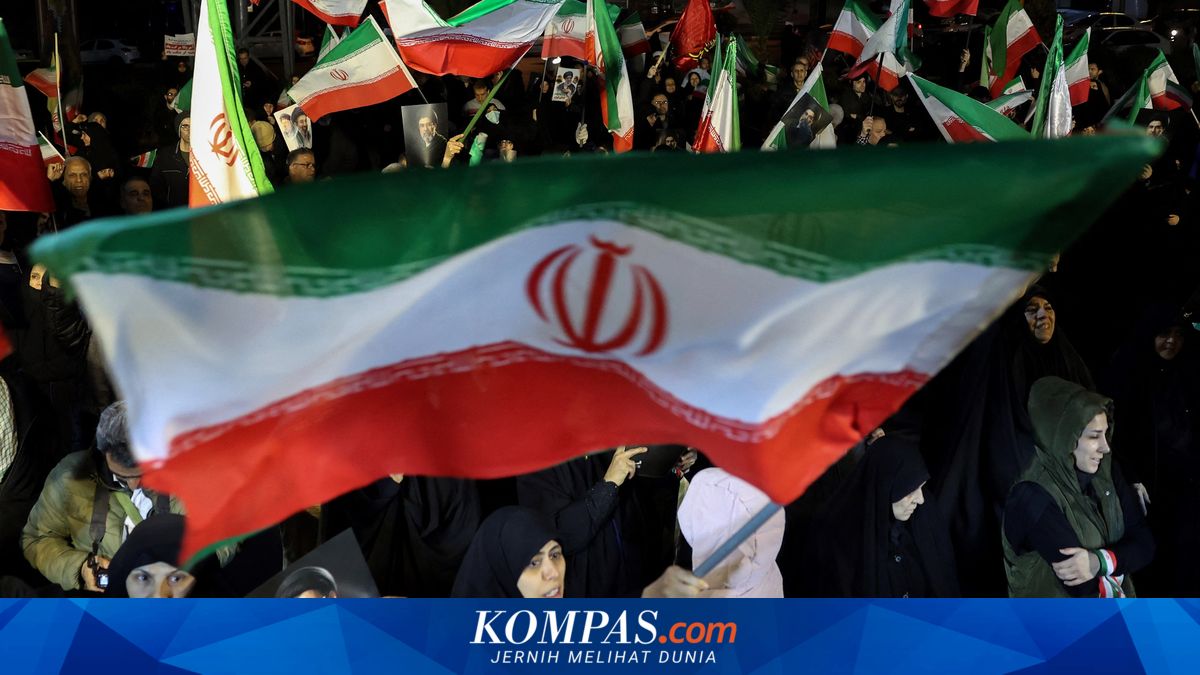
JAKARTA, KOMPAS.com - The geopolitical conflict between the United States (US), Israel, and Iran has affected the pace of the global economy. On the other hand, the impact of this war could spill over into expectations for the policy interest rate and the rupiah exchange rate. Senior Portfolio Manager Equity at Manulife Asset Management Indonesia, Rizki Ardhi, stated that the impact of the Middle East geopolitical conflict on the global economy fundamentally depends on two main factors: how long the conflict lasts and how quickly the normalisation of oil supply and distribution can occur. He elaborated that over the past 10 years, the world has actually faced several episodes of oil price surges, such as in 2018 when OPEC cut production and the US imposed sanctions on Iran. After that, oil price surges occurred in the 2021 period following the economic reopening post-pandemic and in 2022 due to the Russia-Ukraine war. “However, the current situation has quite significant differences, namely the increased risk of large-scale oil supply disruptions if strategic routes like the Strait of Hormuz are affected,” he added. With that projection, it can be concluded that the market still expects this war to be temporary. This condition differs from the Russia-Ukraine war, which has continued sporadically for more than four years to this day. Rizki revealed that the rise in oil prices does have the potential to drive general inflation, which is particularly contributed by energy and transportation components. However, what differentiates it from previous inflation episodes is the still stable core inflation. He views that relatively controlled core inflation reflects that price pressures to date are still concentrated in certain sectors and have not spread widely into the economic structure. “This condition is important for central banks, because as long as medium-term inflation expectations remain under control, the pressure on global central banks to carry out aggressive monetary tightening is still quite limited,” he said.