
Geopolitical Turbulence Triggers Energy Risks; National Energy Council Urges Acceleration of Electrification
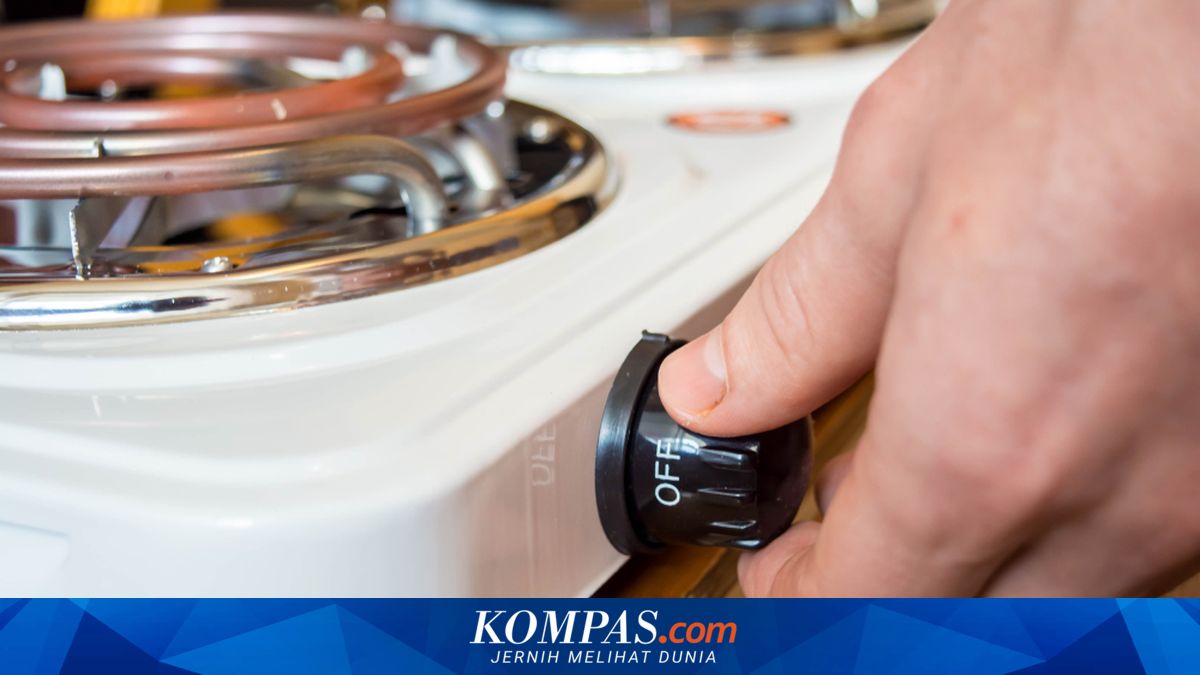
JAKARTA – Accelerating the use of electric stoves and electric vehicles is considered crucial for strengthening national energy resilience, particularly given rising global geopolitical uncertainty that could affect energy supplies.
A member of the National Energy Council, Kholid Syeirazi, noted that Indonesia still has a high dependence on imports of fuel oil (BBM) and liquefied petroleum gas (LPG). This situation remains unremarkable during periods of stable market conditions, but risks escalate when geopolitical crises trigger price spikes and energy supply disruptions.
“Therefore, we need to strengthen alternative energy sources derived from within the country, one of which is electric stoves and electric vehicles,” Kholid said in a written statement on Thursday, 12 March 2026.
Dependence on BBM and LPG makes the national energy system vulnerable to global market fluctuations. These risks intensify when geopolitical conflicts disrupt energy supplies and drive price increases.
Kholid explained that future national energy policy is directed towards electrification across various sectors, from households to transportation. “Energy transition ultimately leads to electrification. Motor vehicles will gradually shift from fuel to electricity, whilst household energy needs such as cooking will also be promoted using electricity through electric stoves,” he stated.
Electrification also aligns with efforts to diversify energy sources and utilise domestic renewable energy potential. “We have considerable renewable energy potential such as solar, wind, biofuel, and other plant-based energy sources. These will form part of the future energy mix so that emissions reduction targets and energy independence can advance together,” he explained.
Kholid assessed that the national electricity system’s capacity remains adequate to support increased electricity demand from the electrification process. Indonesia’s current electricity consumption is also relatively low compared to developed nations.
“Our electricity consumption averages approximately 1,400 kWh per capita annually, still far below developed countries which can exceed 10,000 kWh per capita. With the adoption of electric stoves and electric vehicles, electricity consumption will increase, and the electrical system’s resilience will prove sufficient,” he concluded.