
Geopolitical Turbulence in Middle East Conflict: How Resilient is Indonesia's Energy Security?
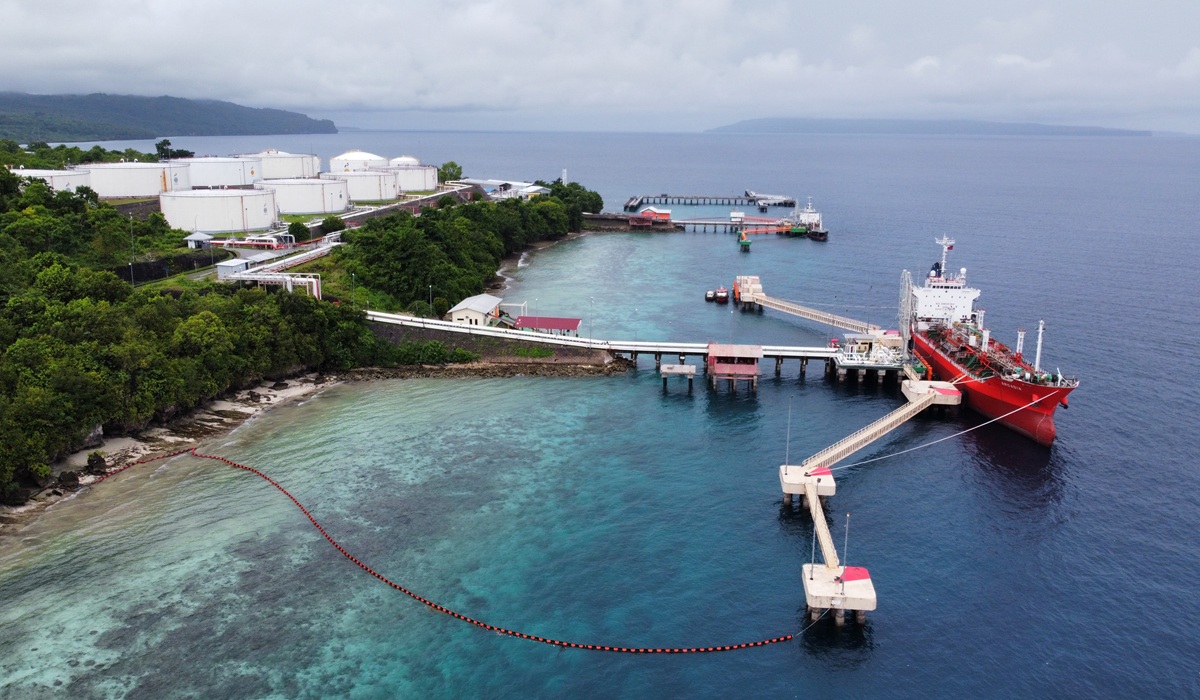
Rising geopolitical dynamics and conflict in the Middle East have triggered concerns about the stability of global energy supplies, including Indonesia’s energy security. Tommy Jamail Jr., an energy and infrastructure practitioner, stated that Indonesia’s energy system possesses sufficiently strong resilience to confront global dynamics, including potential oil price volatility stemming from geopolitical conflicts.
According to him, whilst geopolitical dynamics can indeed influence the global energy market, this does not necessarily translate into direct impacts on domestic fuel availability. “Systematically, Indonesia’s energy infrastructure has been designed to withstand various external dynamics. The distribution and management of fuel supply are carried out with careful planning, so the public need not worry about energy availability,” Tommy stated in a press release received on Thursday (12/3).
Tommy explained that the primary challenges facing Indonesia’s energy sector are more closely related to geographic factors and distribution. As an archipelago with more than 17,000 islands, he noted that the national energy logistics system is designed to ensure supply remains secure across various regions, including during peak consumption periods such as the approach to Eid al-Fitr.
Tommy continued that Indonesia also possesses extensive experience in managing the volatility of global oil prices. A number of global energy crises over recent decades demonstrate that the national energy system has proven capable of adapting to various external pressures.
The four global crises referenced include the 1973 oil crisis, which involved an oil embargo initiated by Saudi Arabia against countries supporting Israel during the Yom Kippur War. This was followed by the 2008 economic crisis, which also impacted oil supplies. Subsequently came the crisis resulting from the 2022 Russia-Ukraine conflict and most recently the Middle East crisis between Iran, Israel and the United States.
“Indonesia’s history of confronting crises is very long. I am confident we can handle this well,” Tommy said.
Nevertheless, Tommy hopes that energy industry stakeholders will ensure that distribution systems and supply management have been prepared to address increased demand during the Eid al-Fitr period.
“The surge in consumption during Eid al-Fitr is actually already an established annual pattern. For this reason, the national energy system has become accustomed to making adjustments to ensure supply remains secure and distribution runs smoothly,” he explained.
Tommy urged the public not to be influenced by speculation circulating in public discourse regarding the possibility of fuel shortages due to global conflict. This is important to prevent panic buying, which could disrupt energy distribution stability at the local level.
Parliamentary Commission XII member Ratna Juwita Sari has called on the government to strengthen national fuel reserves.
Parliamentary Commission I member from the NasDem Party faction, Amelia Anggraini, expressed deep concern over the escalation of attacks between the United States, Israel and Iran.
Parliamentary Commission I member from the PKB faction, Syamsu Rizal, supports President Prabowo Subianto’s plan to evaluate Indonesia’s membership on the Board of Peace following attacks by the United States and Israel on Iran.