
Geopolitical Analysis: Saudi Arabia Distances from US and Forms New Bloc
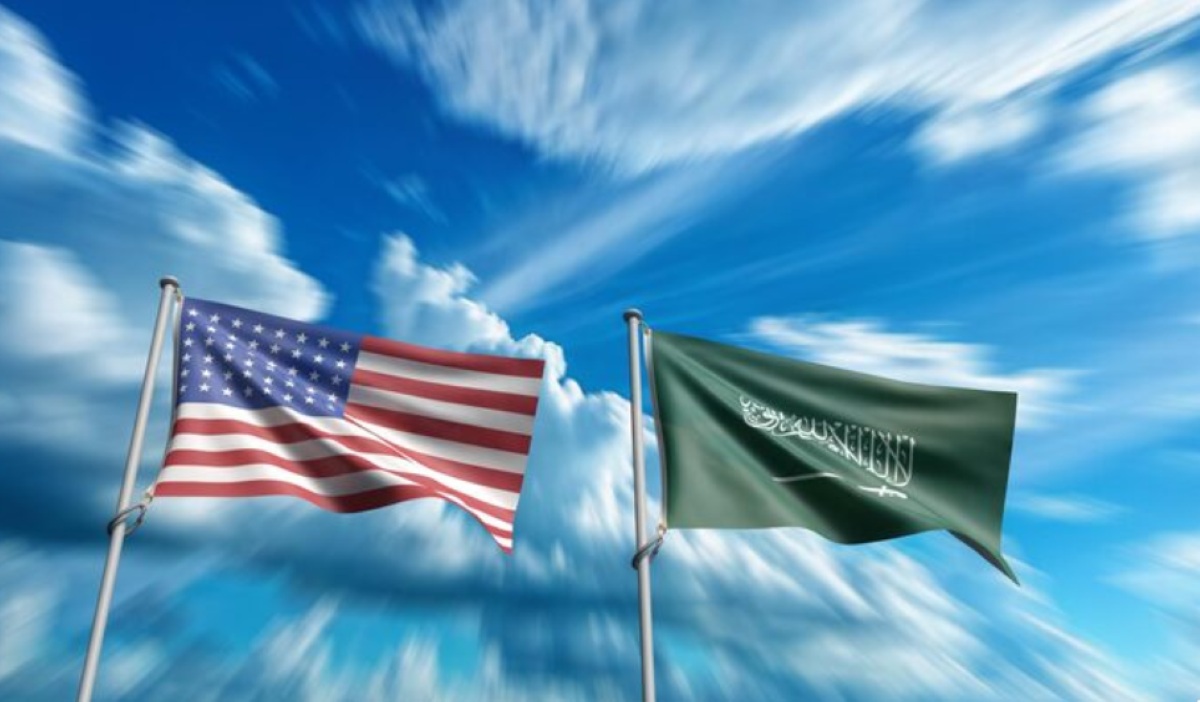
Geopolitical dynamics in the Middle East have entered a new phase as Saudi Arabia’s doubts about US security commitments grow. Senior Saudi analyst Mubarak al-Ati, in an interview with Russia Today TV, stated that Riyadh no longer views the US as a reliable primary security guarantor.
According to Al-Ati, President Donald Trump’s reluctance to engage in open military conflict to overthrow Iran’s regime has altered perceptions among traditional allies. He even described the US leader as a ‘paper tiger’ that has lost its claws in international affairs.
Al-Ati highlighted signs of declining US influence since the 2021 troop withdrawal from Afghanistan under Biden, which he called an ‘embarrassing exit’. Despite remaining a superpower, US strength is no longer as dominant as a decade ago.
This shift in global power dynamics has created space for G20 members like India, Brazil, and Saudi Arabia to explore new possibilities. Riyadh now positions itself as an independent actor unwilling to merely serve as a satellite for Israeli or US interests.
As a strategic move, Saudi Arabia is reportedly leading the formation of a new Arab-Islamic bloc. The alliance is expected to include key nations such as Pakistan, Turkey, and Qatar, seen as a concrete effort to establish regional stability without full dependence on Western powers.
The impact of this shift is evident in several diplomatic initiatives: Iran claims to have used a new air defence system, Arash-e Kamangir, to shoot down a US MQ-9 Reaper drone in the Strait of Hormuz, demonstrating military resilience; Ayatollah Mojtaba Khamenei accused the US and Israel of attempting to destabilise Iran in retaliation for military defeats in his latest written message; Guatemala’s President Bernardo Arevalo agreed to a joint operation with the US under Donald Trump’s administration to combat drug cartels; Iran’s state television reported it has obtained an initial draft framework for an agreement between Iran and the US regarding conflict resolution efforts; Amid an Ebola surge in Congo, the US banned patient entries and set up quarantine facilities in Kenya, drawing sharp criticism for being unethical; Brent and WTI crude oil prices plummeted amid hopes for an end to US-Israel tensions with Iran, with Asian and European stock markets responding positively; Israeli Prime Minister Benjamin Netanyahu ordered the IDF to expand control in Gaza by 70%, disregarding the October 2025 US-mediated ceasefire agreement; Donald Trump renewed a $10 billion defamation lawsuit against the Wall Street Journal over a Jeffrey Epstein article after a judge initially rejected the initial draft; US Vice President JD Vance stated that key issues remain unresolved for extending the ceasefire with Iran, particularly concerning uranium enrichment; The Bloomberg Dollar Index fell 0.2% following reports of a 60-day memorandum of understanding between the US and Iran regarding ceasefire and Strait of Hormuz access.