
Gentrification and Development Priorities
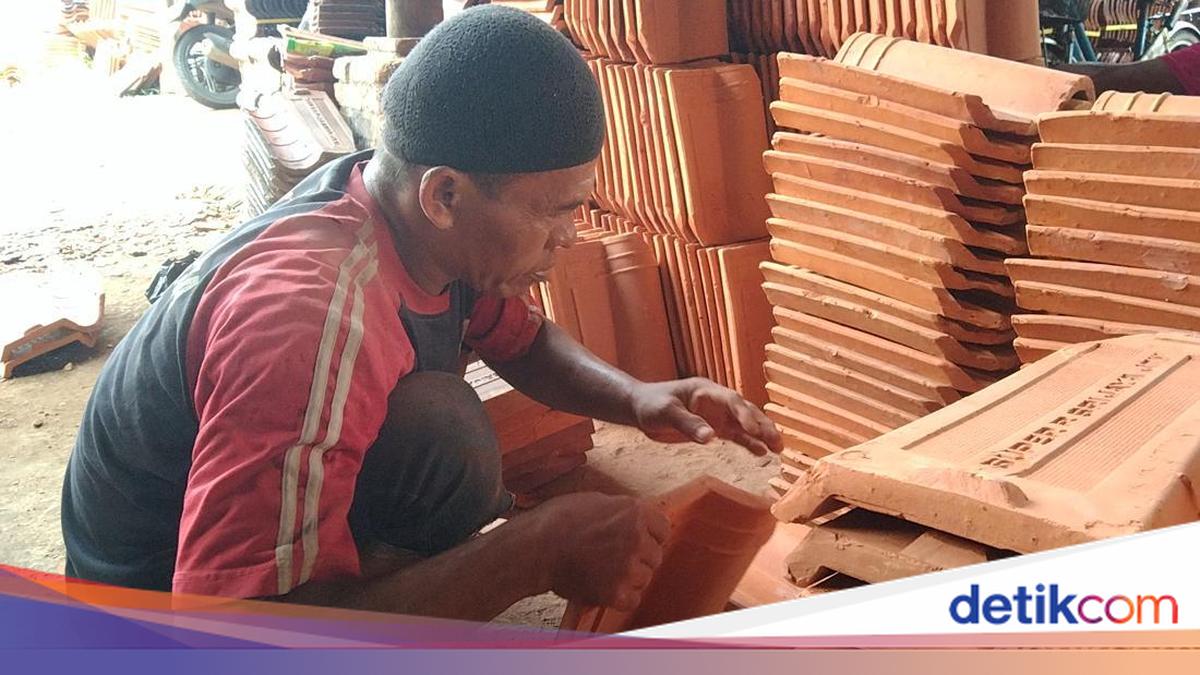
Jakarta - When the idea of replacing metal zinc roofing with clay tiles emerged, it appeared to be too minor a technical matter to discuss at a national forum. Yet this assumption obscures the reality that the issue touches far deeper layers of policy.
President Prabowo’s concept of “gentrification through roof tiling” (gentengisasi), presented at the National Coordination Meeting of Central and Regional Government on February 2, 2026, and linked to the ASRI Indonesia Movement, quickly became a public talking point. The reason is simple yet compelling: the issue directly intersects with people’s everyday experience, is easily visualized, and touches on the aesthetic dimension of living spaces — a topic rarely present in fiscal policy discourse.
Behind its seemingly trivial appearance, gentengisasi actually touches three layers of policy simultaneously. First, quality of life — particularly the comfort and health of housing. Second, the people’s economy — through the local tile production chain, cooperative involvement, and material substitution potential. Third, fiscal governance — determining who pays, through which budget line, and potentially at the cost of sacrificing other programs. This combination is what made the idea go viral and sparked lively debate both online and offline.
In brief, gentengisasi can be defined as a national movement to replace metal roofing with tiles, particularly clay tiles, on people’s homes. The government’s stated objectives include improving housing comfort, enhancing environmental aesthetics, and strengthening tourism appeal. In various statements, the policy has also been linked to the involvement of Merah Putih Cooperatives as drivers of production and distribution, as well as encouraging the use of fly ash as a tile mixing material. Thus, tiles are positioned not merely as building material but also as an important instrument complementing socioeconomic policy.
Gentengisasi can actually be read as a quality-of-life improvement intervention with relatively limited cost per house but tangible impact. In many hot and humid regions, metal roofing tends to increase indoor temperatures and accelerate material degradation. Clay tiles have more stable thermal characteristics, making homes more comfortable. This condition has the potential to reduce the need for air conditioning and household electricity consumption, without needing to claim specific savings figures. From this perspective, gentengisasi can be understood as a micro-policy whose effects are immediately felt.
The connection to tourism also has its own logic. Tidy, harmonious, and visually clean residential environments signal destination quality, especially in culture and nature-based tourism areas. The government has even stated that funding for this program has been calculated and declared budget-ready.
However, budget readiness does not automatically answer the most fundamental question in public policy: is this program worthy of being a priority compared to other equally urgent agendas?
A critical stance is needed in viewing this policy as a whole. Every national program targeting millions of homes will face three core state budget questions. First, total cost scale — the result of multiplying per-unit cost by the number of targets — and clarity of funding sources. Second, the disbursement mechanism — whether through direct grants, material subsidies, performance-based Special Allocation Funds, or mixed financing schemes involving the national budget, regional budgets, cooperatives, and the private sector. Third, opportunity cost — what programs must be delayed or sacrificed when fiscal space is allocated for roof replacement.
This last question is often missing from popular discourse. Gentengisasi needs to be objectively compared with development agendas that have more fundamental impact, such as clean water provision, sanitation, stunting reduction, damaged school rehabilitation, extreme poverty alleviation, and adequate housing provision. Available data shows approximately 9.9 million household heads do not yet own their own home. This figure affirms that the national housing issue is not merely about roof quality but also about access to housing.
This raises the question: does gentengisasi target existing homes as a form of improvement, or is it part of a broader housing strategy?
To avoid being trapped in policy symbolism, gentengisasi needs to be placed within the right fiscal design framework. If implemented, this program should begin with pilot projects in areas with the clearest benefits, such as tourism destination zones or settlements proven to be heat-vulnerable. Co-funding schemes need to be developed so the national budget does not bear the entire burden, while encouraging the role of regional budgets, cooperatives, and the private sector. Targets must be strictly designed — for instance, for poor households vulnerable to heat or areas with strategic value for tourism.
Technical and safety aspects must also not be overlooked. Tiles are heavier than metal materials and could pose risks in earthquake-prone areas if installation does not meet standards. Without quality control and clear technical standards, this program risks becoming mere material distribution without guaranteed long-term benefits.
Gentengisasi, in my belief, is intended as a symbol of the state’s presence in the small things directly felt by the people. Nevertheless, financing through the national budget must still adhere to the principle of fiscal prudence — allocated only when the benefits can be objectively measured, target groups are precisely identified, and the policy design does not displace funding from higher-urgency sectors.
The discourse on gentengisasi should not be trapped in a dichotomy of agreement or rejection. What is more fundamental is ensuring the policy is placed within a rational, needs-based national development priority structure. Support for such a program remains possible as long as it fulfills the prerequisites of outcome-based accountability, has measurable performance indicators, and demonstrates greater additional benefit compared to alternative budget uses.
This approach is not a form of resistance to the program but rather an effort to ensure that state intervention truly delivers benefits commensurate with the use of the public funds entrusted to it.