
Gen Z Women Face Rising Unemployment: The Root Causes Explained
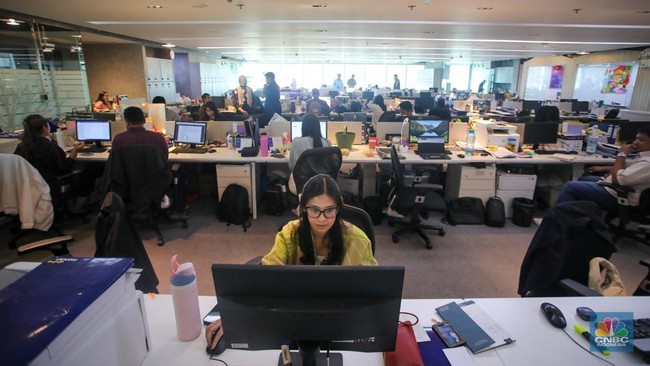
Jakarta – Young women from Generation Z are facing significant new challenges in the global job market. Recent research shows that youth female unemployment rates have risen substantially in recent years, though this increase is not driven by laziness as commonly assumed.
The findings were revealed in the Women in Work 2026 report released by professional services firm PwC in England. The study shows that Gen Z women aged 16 to 24 are finding it increasingly difficult to secure employment, particularly following the pandemic.
“Female unemployment rates rose from 3.5% in 2023 to 4.2% in 2024. This increase was driven by a growing number of young women who are not working, not pursuing education, and not participating in training,” the report stated.
This group is known as NEET (not in education, employment, or training). According to researchers, Gen Z women with lower educational attainment and health issues face significantly higher risks of falling into the NEET category. Their likelihood of becoming NEET can be four times greater than the average for other young women, at 48% compared to 12.2%.
Technological change has also widened the gap. Many young women are perceived as lacking sufficient skills to keep pace with new technological developments, including artificial intelligence (AI), which is beginning to replace jobs previously dominated by women.
Lewis Maleh, CEO of global recruitment firm Bentley Lewis, noted that Gen Z women also face limited career pathways compared to their male counterparts. He explained that young men who graduate with average grades still have numerous employment routes available, such as in construction, logistics, or technical work, which currently face significant labour shortages.
In contrast, women with similar educational levels tend to enter retail, care work, or hospitality sectors. “These sectors are actually shrinking and offer limited career development opportunities,” Maleh said.
According to him, the problem is not what young women lack, but rather the scarcity of career pathways available to them. To improve employment prospects, Maleh encourages young women to begin developing technological skills, particularly those related to artificial intelligence and robotics.
“Learn how to use AI tools correctly. Practical AI expertise does not require a degree, and companies desperately need it,” he said.
Internship and training programmes in the digital, green energy, and healthcare technology sectors remain underutilised by young women, despite offering substantial opportunities. Maleh also advised young people not to wait passively for job opportunities to arrive.
“Candidates who successfully secure senior positions in the workforce are not always those with the best academic grades, but rather those with high curiosity, adaptability, and who actively build their portfolios and professional networks,” he concluded.