
Gekrafs Launches Asta Karya, Strategy to Strengthen Indonesia's Creative Economy Ecosystem
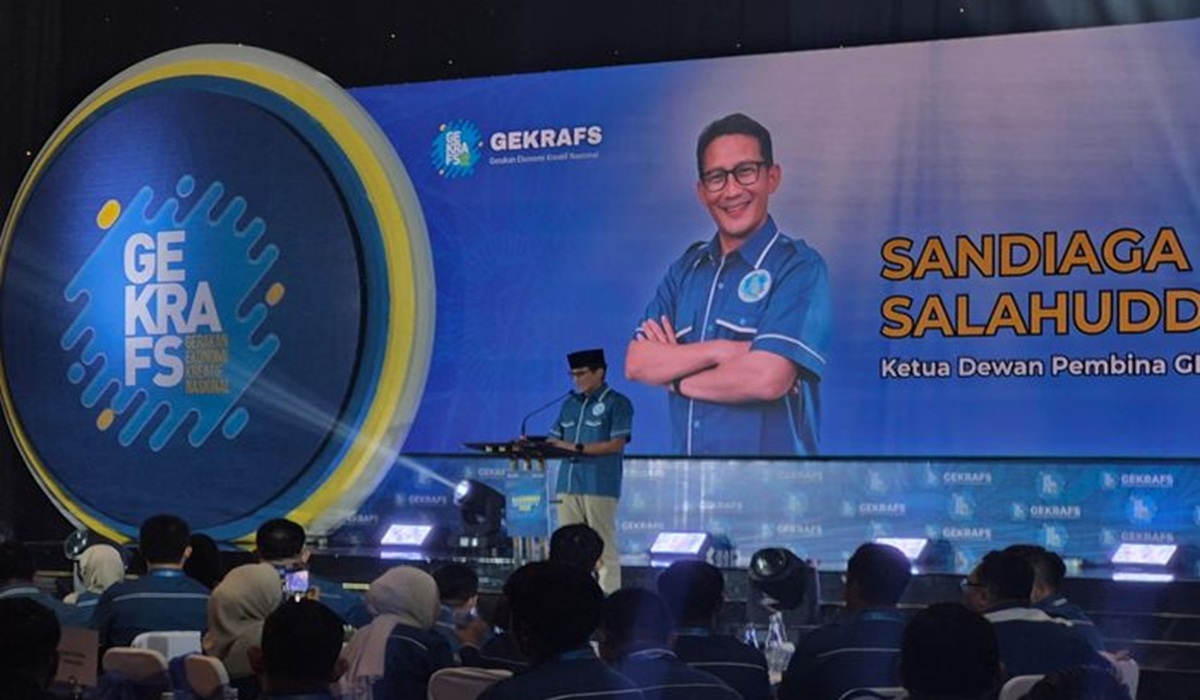
GERAKAN Ekonomi Kreatif Nasional (Gekrafs) officially unveiled a number of strategic recommendations at its National Working Meeting (Rakernas) 2026, held at the Nusantara Ballroom, NT Tower, Jakarta, on 6–7 March 2026. One of the meeting’s main points was the launch of eight flagship programs outlined in the Asta Karya concept.
Chairman of Gekrafs, Kawendra Lukistian, explained that Asta Karya is designed to drive more structured and sustainable growth of the creative economy sector. The programme covers crucial aspects ranging from financing to protection of professions.
“Asta Karya is Gekrafs’ flagship programme. It includes IP Financing, protection of intellectual property, access to capital, regional creative hubs, and how we push for minimum wages for creative economy workers when they create,” Kawendra said.
Kawendra emphasised that wage standardisation and recognition are key focus areas so that players in the creative industry receive fair appreciation.
“So that they are truly valued, not merely paid lip service, but real appreciation for the champions of the creative economy,” he added.
Entering its seventh year, Gekrafs has recorded significant growth with membership reaching nearly 40,000 nationwide. Nevertheless, Kawendra stressed that the organisation’s primary aim is real impact, not merely numbers.
“Gekrafs must be an organisation that delivers benefits, not just a showy organisation, but one that spreads value among those involved in the creative economy,” he said.
Currently, Gekrafs’ network has been established across all provinces and in almost 300 regencies/cities in Indonesia.
Internationally, Gekrafs has a presence in 12 countries and plans expansion to Russia, China, South Africa, and Azerbaijan.
The Chairman of the Rakernas Steering Committee, Tommy William Tampubolon, described strengthening internal and external structures as a priority to broaden market networks.
The Asta Karya concept comprises eight specific programs, among which:
Sandiaga Uno, Chairman of Gekrafs’ Advisory Council, stressed that the creative economy must be Indonesia’s future. He hoped this Rakernas would become a momentum for accelerating innovation capable of reaching the younger generation with globally competitive products rooted in local wisdom.
Similarly, Sufmi Dasco Ahmad, Deputy Speaker of the House of Representatives and head of the Gekrafs High Council, urged all participants to stay united in building the industry.
During the event, Dasco invited participants to observe a moment of silence following the passing of Vidi Aldiano, a figure in the creative economy.
The Rakernas 2026 outcomes have been reported to the board of guardians and the Minister of the Creative Economy as policy recommendations expected to be implemented by the government.
As a follow-up, Gekrafs will hold High Rapnas on 24 October, coinciding with National Creative Economy Day. (Z-1)
The opening was marked by the striking of a gong to signal the start of a series of events showcasing Indonesia’s cultural wealth and the potential of the creative economy in the United States.
Arizona IndoFest 2025, scheduled for 23–25 August in the United States, will serve as a meeting point for the Indonesian diaspora, creative industry players, and cross-sector partners.
Gekrafs Kampus is tasked with expanding its network to more regions and universities across Indonesia in a major nationwide outreach in the coming year.
This signing marks an important milestone in building an inclusive, collaborative, and globally competitive creative economy ecosystem.
Dewan Pimpinan Pusat Gerakan Ekonomi Kreatif Nasional (DPP Gekrafs) will hold a National Creative Forum (Reknas) and Congress-1 Gekrafs on 19–20 July 2025 at the Dome Senayan Park, Jakarta.
The combination of Indonesia’s rich cultural potential with China’s advanced technology is a precise formula for penetrating global markets.
Creative works need to be developed through tangible processes, not merely academic tasks, to produce outputs relevant to society and local ecosystems.
Through this collaboration, Prasetiya Mulya is trusted to provide mentoring and strengthen the creative economy ecosystem for MSME actors in 12 villages across 12 selected subdistricts.
Danau Kemiri in Desa Pagardewa, Muara Enim, South Sumatra, is increasingly a new driver of the economy based on educational tourism and the creative economy.