
Gaza Residents' Suffering: Three Years Without Hajj and Eid al-Adha Sacrifice Due to Israeli Attacks
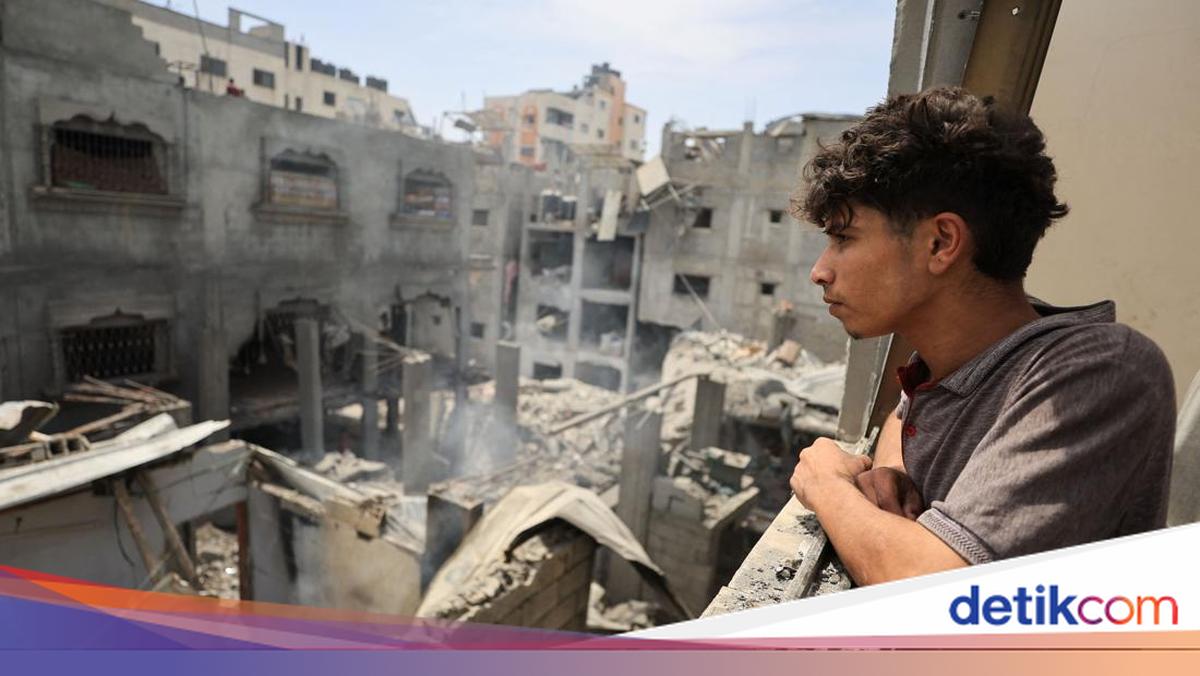
The tragic plight of Gaza’s residents has seen them unable to perform Hajj or Eid al-Adha sacrifices for three consecutive years due to ongoing Israeli attacks, despite previous ceasefire agreements. Prior to October 2023, thousands of Palestinians from Gaza undertook the Hajj pilgrimage annually, with an annual quota of 2,500 pilgrims, many waiting years for the opportunity. However, Israel’s continued border restrictions have prevented residents from travelling for Hajj for three years in a row, causing deep emotional and spiritual distress.
‘We should be there during these holy days,’ said Palestinian resident Najia Abu Lehia, 64, quoted by detikHikmah. Lehia recalled preparing for Hajj with her late husband before the war shattered their plans.
The Palestinian Ministry of Waqf and Religious Affairs in Gaza stated that over 10,000 Palestinians have lost the opportunity to perform Hajj since the start of Israeli attacks, including dozens who died while waiting for their turn to travel to the Holy Land.
Although the Rafah crossing with Egypt has partially reopened for limited travel earlier this year, Israel still severely restricts departures, mostly allowing only medical evacuations and humanitarian cases approved through Israeli procedures.
‘We cannot organise this year’s Hajj season as we are not guaranteed border openings,’ said Rami Abu Staitah, Director General of Hajj and Umrah at the Ministry of Waqf. ‘Preparations require complex initial contracts for accommodation and transport, which is impossible under these conditions.’
The ministry has also called on the international community, Saudi Arabia, and Egypt to urgently intervene and separate Hajj from political considerations. The chaos in Gaza extends beyond Hajj.
Palestinian authorities in Gaza also announced that this year’s Eid al-Adha animal sacrifices could not take place, meaning no Qurbani has been performed in Gaza for three consecutive years due to the collapse of the livestock sector and Israeli restrictions on live animal imports.
Humanitarian organisations have warned of worsening conditions in Gaza, with most residents still displaced and reliant on limited aid deliveries. Since the start of the war, over 90% of Gaza’s livestock sector has been destroyed or damaged by Israeli attacks and movement restrictions on goods and agricultural equipment, according to the Gaza Chamber of Commerce and Industry.
In addition to the destruction of local livestock production, Israel has blocked the entry of live animals into the territory, isolating the sector and tightening the fragile supply chain.
According to the UN Food and Agriculture Organization (FAO), in November last year, at least 80% of sheep and 70% of goats in Gaza had been killed or died during the war. Currently, the majority of Gaza’s 2.3 million residents remain displaced, living in tent camps and destroyed homes, with approximately 72,775 Palestinians killed in the ongoing conflict, drawing global condemnation.