
Gaza, Peace, and the Voices Often Forgotten
By: Syuhelmaidi Syukur, Chairman of the Harika Foundation, Postgraduate Student at the SEBI Institute
REPUBLIKA.CO.ID, JAKARTA – The Gaza conflict once again raises fundamental questions that continue to recur throughout the history of global conflicts: does peace simply mean the cessation of hostilities, or is it something more – namely, the restoration of human dignity, justice, and a future for generations living amidst the ruins?
The escalation of violence in Gaza is not merely a regional tragedy. It has become a global geopolitical issue involving major powers, international organisations, and regional actors with their respective interests. However, amidst the flurry of diplomacy and security strategies, one thing is often overlooked: the voices of the people living in the conflict itself.
Gaza today is not only a battlefield, but also a space of collective trauma, a humanitarian crisis, and a battleground of narratives about justice, security, and identity.
Humanitarian Statistics: The Scale of the Gaza Tragedy
The latest humanitarian data reveals the immense scale of the tragedy. As of early 2026, approximately 71,657 Gazan civilians have been reported killed, including 18,592 children and 12,400 women, while more than 180,000 people have been injured.
In addition, approximately 2 million people are displaced, most of whom have experienced repeated displacement, and more than 11,000 people remain missing. Physical damage is also extensive. Approximately 191,000 buildings have been damaged or destroyed.
More than 90 percent of homes have been affected, and the majority of schools are no longer functioning. The health system is on the verge of collapse due to a lack of medicine, electricity, and medical personnel.
Meanwhile, more than 500 incidents of attacks on health facilities have been recorded by international organisations.
The food crisis is exacerbating the situation. Humanitarian reports indicate that the entire population of Gaza is experiencing acute food insecurity, with some people facing extreme hunger.
These statistics confirm that the Gaza conflict is not just a military war, but a structural humanitarian crisis with long-term consequences.
The Story Behind the Statistics
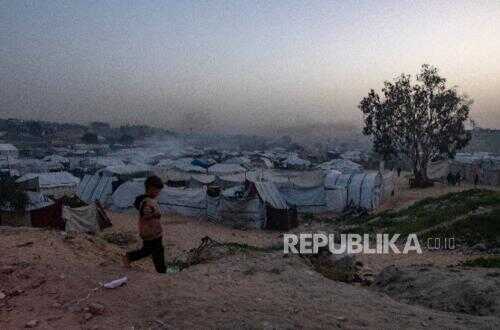
However, statistics only tell part of the story. In various parts of Gaza, many families live in emergency tents or damaged buildings after their homes were destroyed. Repeated displacement has become a common experience, making the concept of “home” lose its meaning of stability.
Parents are trying to maintain hope for their children, while basic needs such as clean water, food, and healthcare are becoming sources of daily anxiety. Tragic incidents during the distribution of food aid, which resulted in civilian deaths, show how basic needs can turn into dangerous situations.
According to our volunteers in the refugee camps, thousands of families live in crowded conditions with limited sanitation, while access to education is increasingly disrupted. This experience creates deep collective trauma.
Civil Society in the Midst of Conflict
Amidst the limitations of formal political space, Palestinian civil society plays an important role. Local NGOs provide humanitarian services, advocate for human rights, and implement community-based peace-building programmes.
This role shows that, behind the military conflict, there are quiet efforts to build peace from the ground up. Cross-community dialogue, peace education, and social solidarity are forms of non-violent resistance that rarely receive attention.
However, civil society also faces serious challenges: limited funding, restrictions on mobility, and the politicisation of civil space. Without adequate support, the voices of grassroots communities risk being marginalised in the global peace architecture.
The Invisible Wounds: Gaza’s Trauma
One of the dimensions often overlooked in geopolitical discourse is psychological trauma. The Gaza conflict has created collective trauma that affects social identity, mental health, and people’s perceptions of the future.
Children growing up in conditions of repeated war are at risk of inheriting conflict memories that shape the identity of future generations. This generational trauma can reinforce the cycle of violence if it is not addressed seriously.
However, amidst the trauma, the people of Gaza also demonstrate extraordinary social resilience. Community solidarity, family networks, and religious practices are mechanisms of healing that help people survive.
This shows that peace requires not only physical reconstruction, but also psychological and social recovery.
The Perspective of Maqasid Peace: Peace as a Benefit
This is where Islamic perspectives offer an important contribution through the concept of maqasid al-shariah. Maqasid emphasises the protection of life, reason, lineage, religion and property as the foundation of human well-being.
In the context of Gaza, this approach places peace as an effort to protect human life in its entirety. Peace is not only measured by political stability, but also by the restoration of trauma, social reconstruction, and structural justice.
The concept of sulh in Islam emphasises reconciliation through dialogue and the restoration of social relations. Meanwhile, the principle of wasatiyyah offers moderation as a way out of extreme polarisation. This approach also opens up space for spiritually-based trauma healing, which has proven to be a source of resilience for the people of Gaza.
The Spirit of the Indonesian Constitution: Rejecting Colonialism in the World
For the Indonesian nation, the issue of Gaza has strong historical and moral resonance.
The Preamble to the 1945 Constitution clearly states that independence is the right of all nations and colonialism in the world must be abolished because it is incompatible with humanity and justice.
This spirit of the constitution is not just rhetoric, but a reflection of Indonesia’s historical experience as a nation that once lived under colonialism. Therefore, Indonesia’s support for independence, justice, and global peace is both a constitutional and moral mandate.
In the context of Gaza, this spirit reminds us that peace must not ignore justice. The abolition of colonialism, the protection of…