
Gathering Upstream-Downstream Plastic Industry, Menperin Commits to Maintaining National Supply Stability
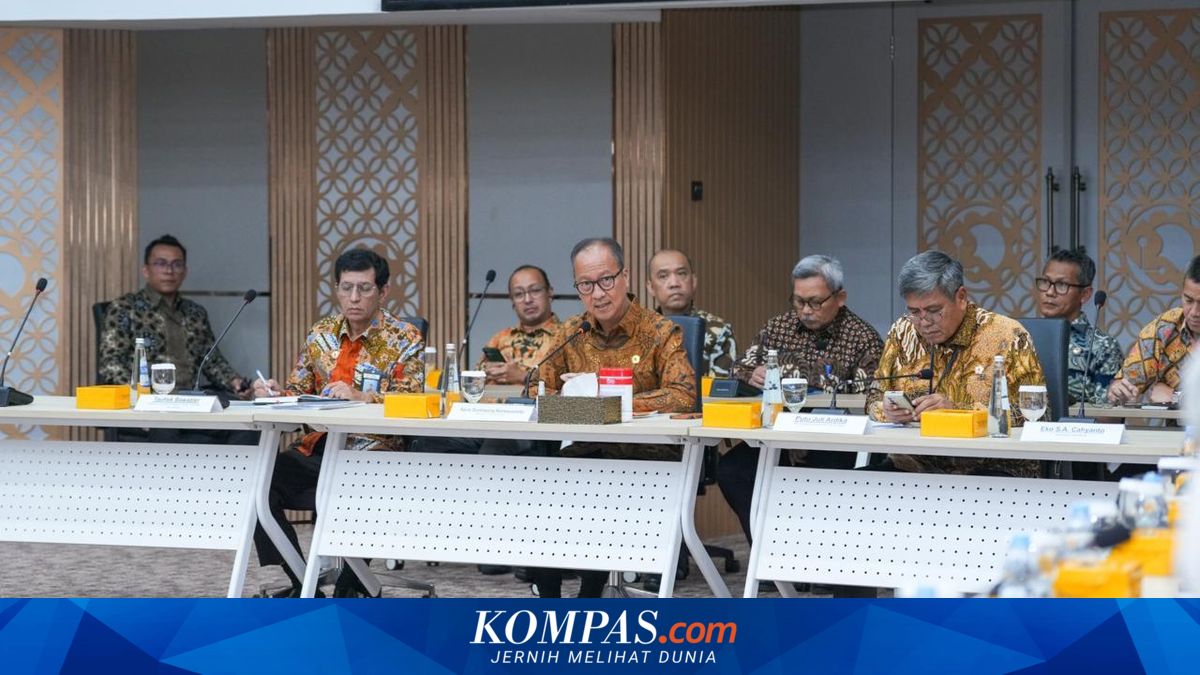
The Ministry of Industry (Kemenperin) continues to monitor the developments in global geopolitical dynamics, including the situation in the Strait of Hormuz region, which has the potential to affect the supply chain of petrochemical raw materials and the national plastic industry subsector.
To anticipate the impact, Kemenperin has brought together upstream petrochemical industry players, intermediates, downstream, and plastic recycling to discuss the current conditions and joint mitigation steps.
Minister of Industry (Menperin) Agus Gumiwang Kartasasmita stated that the meeting results revealed optimism in the industry regarding the availability of plastic stocks domestically.
“From the meeting results, we received assurances from the industry that plastic stocks should not pose any problems. I underline the word ‘should’, because the government will continue to closely monitor global developments that impact production and stocks in this subsector,” said Agus in his press release on Thursday (16/4/2026).
Kemenperin also understands that geopolitical turmoil in the Strait of Hormuz has caused distortions in the pricing structure of plastic products domestically.
Price adjustments may occur due to increases in logistics and port freight costs, the imposition of premium surcharges, and disruptions to delivery times for raw materials from abroad.
“Delivery times, which previously averaged around 15 days, can now increase to up to 50 days. This condition certainly impacts the increase in production cost burdens,” Agus explained.
“This event further emphasises the importance of building a strong and independent national petrochemical industry, so that dependence on imported raw materials can continue to be reduced,” said Agus.
At the meeting, industry parties expressed hopes from investors that the petrochemical industry subsector becomes increasingly attractive for new investments. One important factor deemed necessary to strengthen is protection of the domestic market from the influx of imported products.
Agus stated that the government will continue to strive to meet national raw material needs while maintaining a balance between the energy sector’s requirements, including motor vehicle fuel, and the petrochemical industry’s raw material needs.
Although prices remain relatively high, this option is considered viable to continue exploring as part of a strategy to diversify raw materials and reduce dependence on imported raw materials.
“We must look at all national resource potentials that can serve as alternative raw materials for the petrochemical industry, including CPO, although the economic challenges still need to be calculated carefully,” Agus remarked.