
Gas Leak at Cimuning SPBE Occurred Since Afternoon Before Nighttime Explosion
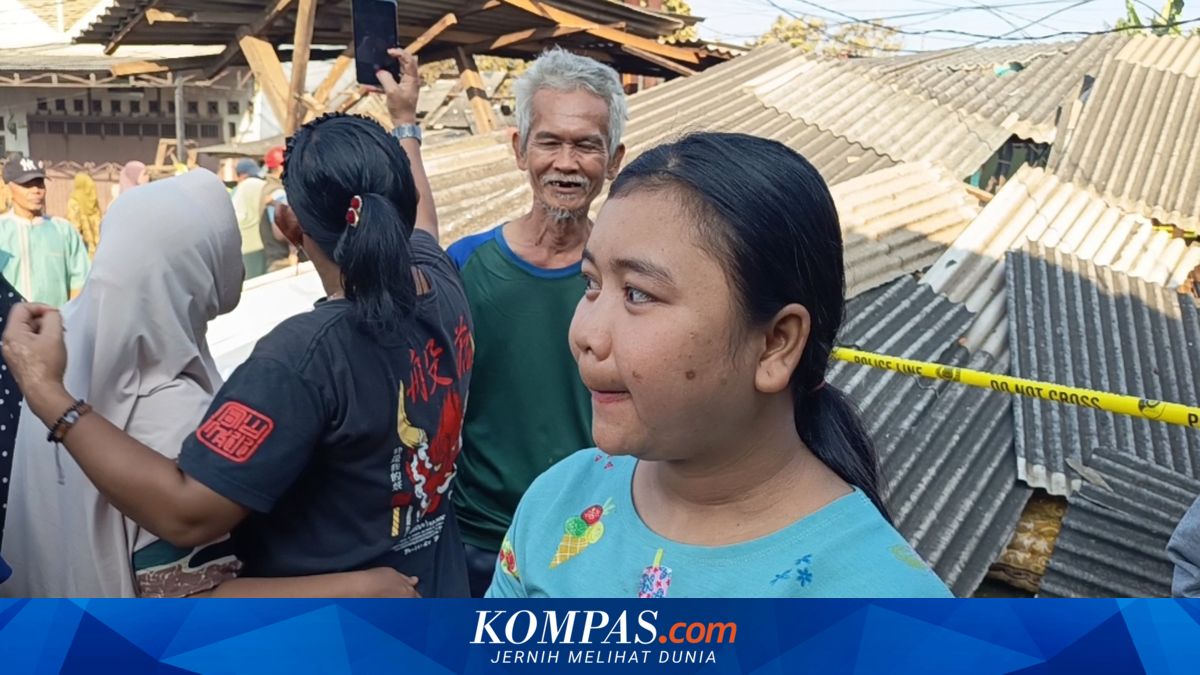
Residents near the Cimuning Bulk LPG Filling Station (SPBE) in Mustikajaya, Bekasi City, West Java, claim that a gas leak occurred since Wednesday afternoon (1/4/2026), several hours before the explosion and fire on the same night. This information was provided by Ningsih (30), one of the fire victims and an employee at SPBE Cimuning. She explained that the gas leak was handled by a technical team for one to two hours. “The incident happened at around 3 PM or 4 PM, there was a report from an employee, it was fixed, maybe they were still working, it continued. I don’t know exactly what time it was finished. When the incident (fire) happened, it was probably right after it had been filled,” said Ningsih when met at the incident site on Thursday (2/4/2026). “I heard it happened once before, but it was safe. This time, it was just unexpected. The impact was much bigger,” she added. Ningsih confirmed that before the explosion and fire occurred at night, all employees at the location had already left the area. “Everyone (employees) had already left. Probably at 6 PM or 7 PM WIB. The tanker truck was filled at 8 PM WIB. Then the vapour came out maybe half an hour later, everyone came out, the residents all panicked after the gas leak announcement,” she revealed. Previously, the fire that struck SPBE Cimuning in Mustikajaya, Bekasi City, on Wednesday night (1/4/2026) razed around 2,000 square metres of land and caused severe damage. “The area burned was around 2,000 square metres. Preliminary suspicion due to an electrical short circuit,” said Acting Head of the Bekasi City Fire and Rescue Agency (Disdamkarmat), Heryanto, to the media near the fire site on Thursday (2/4/2026). According to Heryanto, the fire occurred while the SPBE was operating, thus increasing the risks, including the potential for gas explosions. “Gas like this requires special handling and must identify where the fire source is,” he said. Officers had to work extra carefully to prevent potential subsequent explosions. This condition made the fire handling process more complex than ordinary fires.