
Garden of Europe Campaign Brings European Union Quality Standards to Indonesian Family Tables
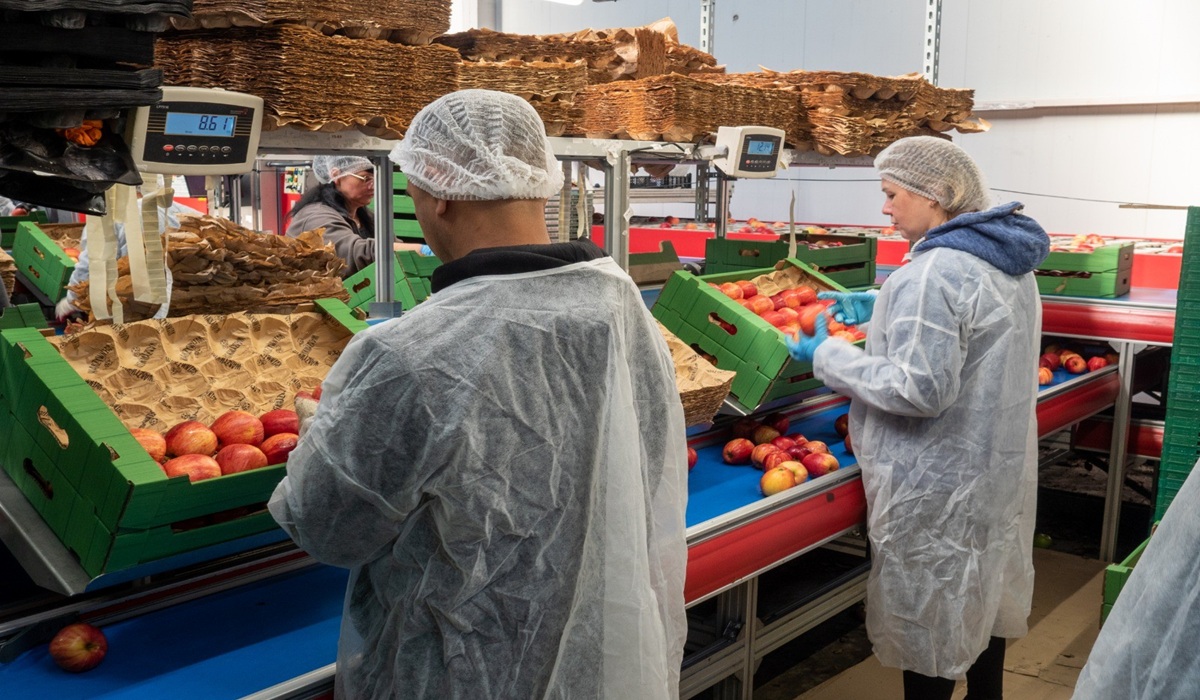
Indonesian consumers now have easier access to high-quality food products. Through the Garden of Europe campaign, European apples and kiwis are being brought to the domestic market with guarantees of stringent safety, quality, and sustainability standards.
These products are not merely ordinary fruit, but the result of extensive cultivation practices in Poland and Greece that prioritise environmental conservation.
The primary advantage of European apples and kiwis lies in farmers’ compliance with international certification frameworks. Several food safety protection systems employed include the HACCP system, which is used to identify and control food safety risks across all stages of production.
This series of certifications serves as concrete evidence that each fruit is cultivated, harvested, and transported under careful supervision to meet both European Union and global requirements.
Beyond safety considerations, the production process of these fruits also pays close attention to environmental impact. Farmers employ climate-smart harvesting methods and selective hand-picking to preserve flavour and extend shelf life. Cold chain logistics are also implemented with discipline to ensure freshness is maintained until the product reaches consumers.
On the environmental side, environmentally-friendly practices such as compost fertiliser use, water-efficient irrigation, and pesticide reduction have become primary priorities to support global environmental objectives.
Piotr Janota, President of the Polish Fruit and Vegetable Distributor Association, Fruit Union, emphasised the importance of responsibility in every harvesting process. “Every apple and kiwi we harvest represents care from our orchards and responsibility to those who enjoy them. By adhering to Europe’s strict standards regarding safety, sustainability, and fair labour practices, we ensure that the fruit on your table is not only fresh and delicious, but also grown with respect for nature and the communities behind it,” said Janota.
For people concerned with health and sustainability, choosing certified products is a wise decision. Studies have shown that most Indonesian consumers are willing to pay more for sustainably-cultivated products.
When shopping, consumers are advised to check for European Union (EU) origin information on product labels. The presence of certification logos or QR codes can also be used to trace detailed information about the fruit’s origins.
The Garden of Europe campaign is being held by a consortium of the Neapolis Agrinio Agricultural Cooperative and the Polish Fruit and Vegetable Distributor Association.
Apples contain vitamin C, dietary fibre, antioxidants, and potassium, which support digestion, heart health, and blood sugar control. Apples are extremely popular worldwide because of their sweet or slightly tart taste, crisp texture, and high nutritional content. Regularly consuming apples, especially with the skin on, has been proven to support heart health. Heart disease remains the leading cause of death worldwide, with high blood pressure or hypertension being a common trigger, often without obvious symptoms.
Consuming certain types of fruit on an empty stomach, particularly in the morning, has been shown to provide extra benefits. Research indicates an increase in vitamin C levels in both blood and skin tissue.
Kiwis originate from China, but are now widely cultivated in New Zealand, which has made them widely known as kiwi fruit. The fruit has a fresh sweet-tart taste and is rich in nutrients such as vitamin C, vitamin K, fibre, antioxidants, and potassium. Kiwis have a brownish-green skin with fine hair, and bright green flesh with small black seeds that are edible. Recent research suggests kiwis, wholemeal bread, and mineral water can help alleviate chronic constipation.