
Gapuspindo: Beef Imports Still Needed to Develop National Production
Jakarta (ANTARA) - The Indonesian Beef Cattle Business Operators Association (Gapuspindo) assesses that importing cattle is still necessary to cover the national beef supply deficit while supporting an increase in domestic production.
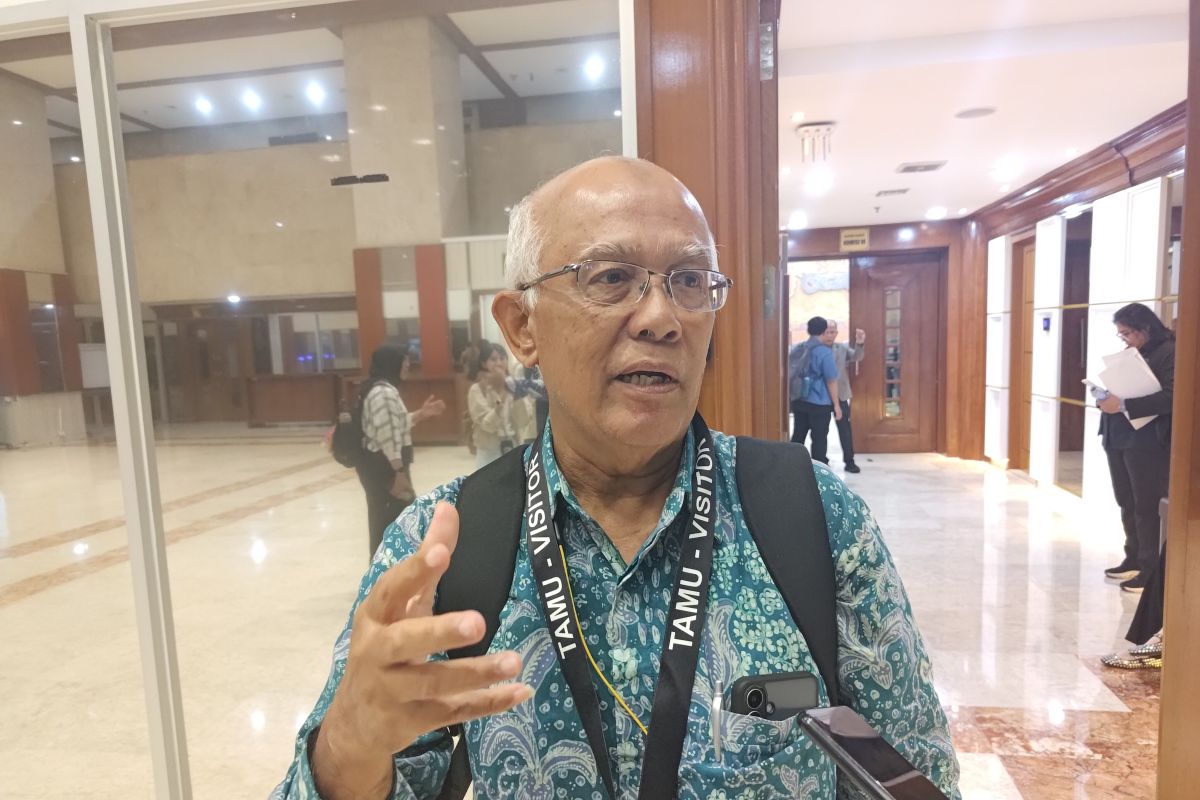
Gapuspindo Executive Director Djoni Liano stated that the national beef requirement still exceeds domestic production capacity, making imports one instrument to maintain supply availability.
“If it’s about cattle, our deficit is still high. So there’s no other way; we must carry out imports,” Djoni said in Jakarta on Monday.
He mentioned that the national beef requirement in 2026 is estimated to reach around 785,000 tonnes, while the contribution from businesses under Gapuspindo is only about 14-15% or around 120,000 tonnes of the total requirement.
According to him, the gap between the requirement and domestic production forms the basis for the government in setting the import volume each year.
“The deficit is what can be imported to fill that shortfall. So it’s not limited to a certain amount, but calculated from the national requirement and domestic production,” he said.
He explained that the current imports are not only to meet short-term needs but also to support increasing the domestic cattle population through the procurement of breeding cattle.
According to him, the plan to import cattle from Brazil in the form of breeding stock is considered able to help strengthen domestic production in the long term.
“That’s good, because breeding cattle are to increase the domestic population, not for immediate slaughter,” he said.
However, he assessed that the government needs to ensure the distribution and management scheme for the imported cattle runs effectively so that the benefits can be felt by breeders.
“The important thing is to think about the business model, whether it’s distributed to breeders or first developed in government facilities,” he said.
Djoni added that importing live cattle is considered to have greater added value compared to importing frozen meat because it involves domestic economic activities.
According to him, live cattle that are fattened domestically can absorb labour, utilise local feed, and produce derivative products such as hides.
“The added value is quite significant, from labour absorption, use of local feed, to by-products like hides,” he stated.
On the other hand, he reminded that the beef market condition is also influenced by people’s purchasing power as well as global dynamics that can affect logistics costs and supply availability.
“All commodities depend on purchasing power. If purchasing power is strong, the market will keep moving,” Djoni said.
Previously, the government targeted an increase in domestic animal protein production as part of efforts to strengthen food security, including through livestock population development and improving breeder productivity.
The Coordinating Ministry for Food targets adding 2 million cattle heads by 2029 as a strategic step to strengthen national beef and milk production.
In addition, import policies are also directed to cover supply shortages in the short term while maintaining price stability at the consumer level.
Gapuspindo hopes that future government policies can continue to maintain a balance between fulfilling national needs and strengthening domestic production to support food security.