
GAPKI Poised to Release Tanzanian Pollinating Insects; Palm Oil Production Could Increase by 15 Per Cent
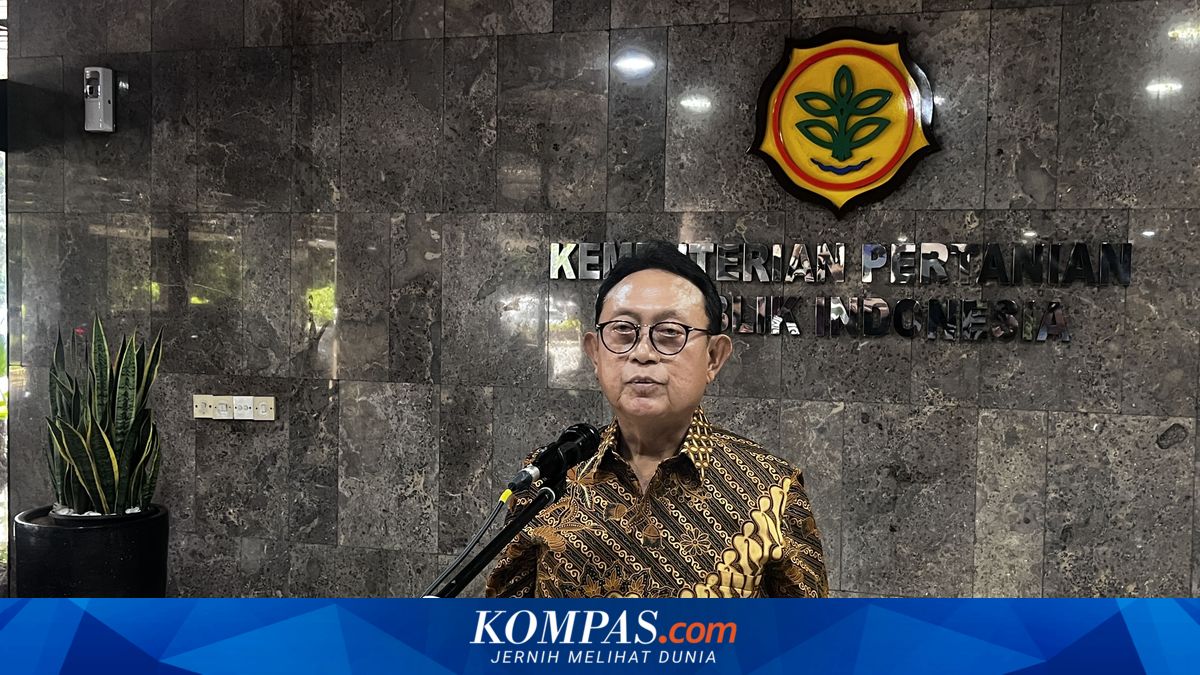
Jakarta — Productivity of palm oil plantations is expected to increase by up to 15 per cent through the use of pollinating insects from Tanzania.
Eddy Martono, chairman of the Indonesian Palm Oil Association (GAPKI), stated that with the assistance of these pollinating insects, fruit formation would be more complete.
“It should increase to around 10 to 15 per cent in production increases, which is what we hope for with the pollinating insects,” said Eddy when met at the Office of the Ministry of Agriculture in Jakarta on Wednesday (11 March 2026).
Currently, the Tanzanian pollinating insects are ready to be released in palm oil plantations that are members of GAPKI.
For this reason, he met with Agriculture Minister Andi Amran Sulaiman to request that the minister release the Tanzanian pollinating insects in April in Medan, North Sumatra.
“Our plan is to request the Minister to make the release. Because this is quite monumental, why? It increases productivity, you see,” said Eddy.
Eddy stated that there is no need to wait long to see the impact of using Tanzanian pollinating insects.
According to him, only about six months after the insects are released in plantation areas will the results become apparent.
“But indeed this release is currently limited, not all yet, still only among consortium members of GAPKI, and after that we will begin releasing them to the public as well,” said Eddy.
According to him, breeding the pollinating insects requires approximately two years before they can eventually be released in plantations.
“We have successfully obtained pollinating insects from Tanzania. There are three pollinating insect species: Herodotus cambricus, Herodotus lachitatus, and Herodotus supitatus. All three are currently being bred at the Palm Oil Research Centre (PPKS) in Medan,” said Hadi Sugeng, GAPKI representative.