
Gapki: Closure of the Strait of Hormuz Could Raise Palm Oil Logistics Costs
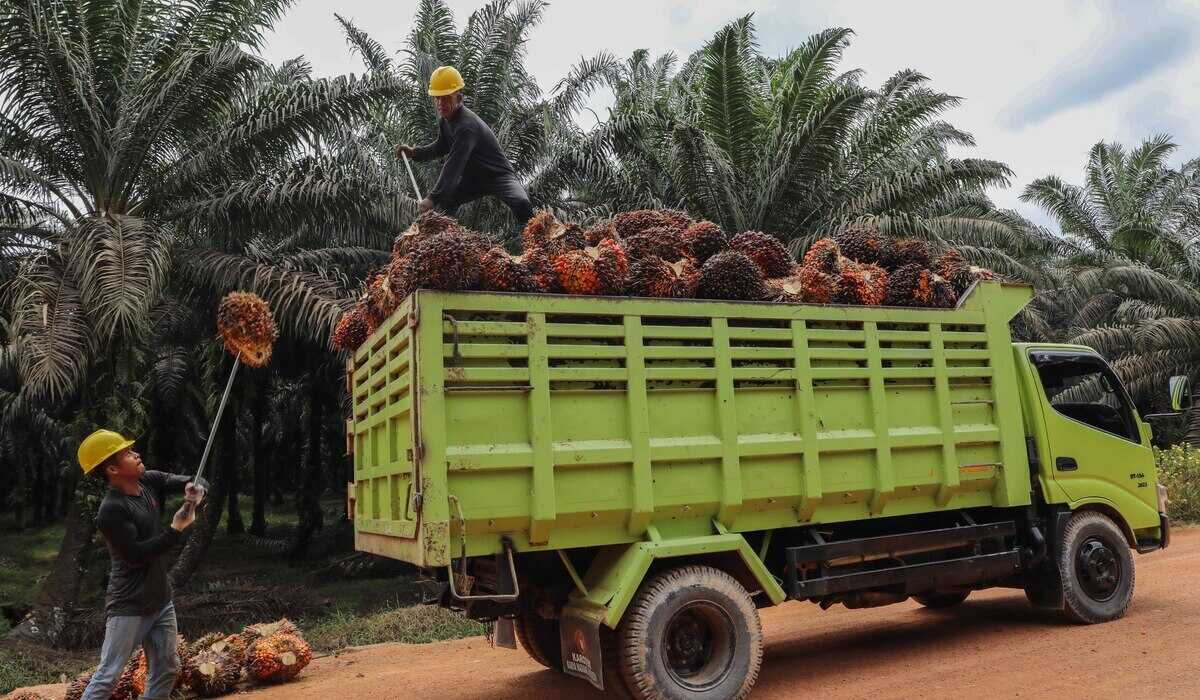
Geopolitical tensions between the United States, Israel and Iran surrounding the potential closure of the Strait of Hormuz could raise logistics costs for Indonesia’s palm oil exports. Eddy Martono, chairman of the Indonesian Palm Oil Producers Association (Gapki), said that although most national palm oil export routes do not pass through the Strait of Hormuz, disruption risks remain for ships traversing the conflict-affected area. In such a scenario, transport routes would likely need to detour, increasing voyage distance and freight costs. Regarding fertilisers, Eddy assured that the industry’s needs can still be met; Indonesia can continue to import fertilisers from countries not affected by the conflict, minimising supply disruption risks. With regard to possible shipping delays that could affect export contracts, Eddy judged that the risk is relatively small because the conflict location lies elsewhere and distribution routes can be rerouted. ‘The most feasible outcome is that transport routes will detour so that goods can still be sent,’ he said. Separately, in terms of mitigations, Eddy noted that there has yet to be any special coordination with the Ministry of Trade or the Ministry of Transportation on the Middle East conflict’s impact on palm oil exports. (H-3) Josua Pardede, Chief Economist at Permata Bank, viewed that the closure or disruption of traffic in the Strait of Hormuz would be a swift shock transmitted to the global petrochemical supply chain. The DPR voiced its support for the steps taken by the Minister of Energy and Mineral Resources (ESDM) to mitigate potential oil supply disruptions. Minister Bahlil Lahadalia said Indonesia’s crude oil imports through the Middle East account for around 20-25% of total imports; this supply would be disrupted if the Strait were closed.