
GAPASDAP: Delay of KMP Wira Qaila at Bakauheni Port Due to Limited Berth Capacity
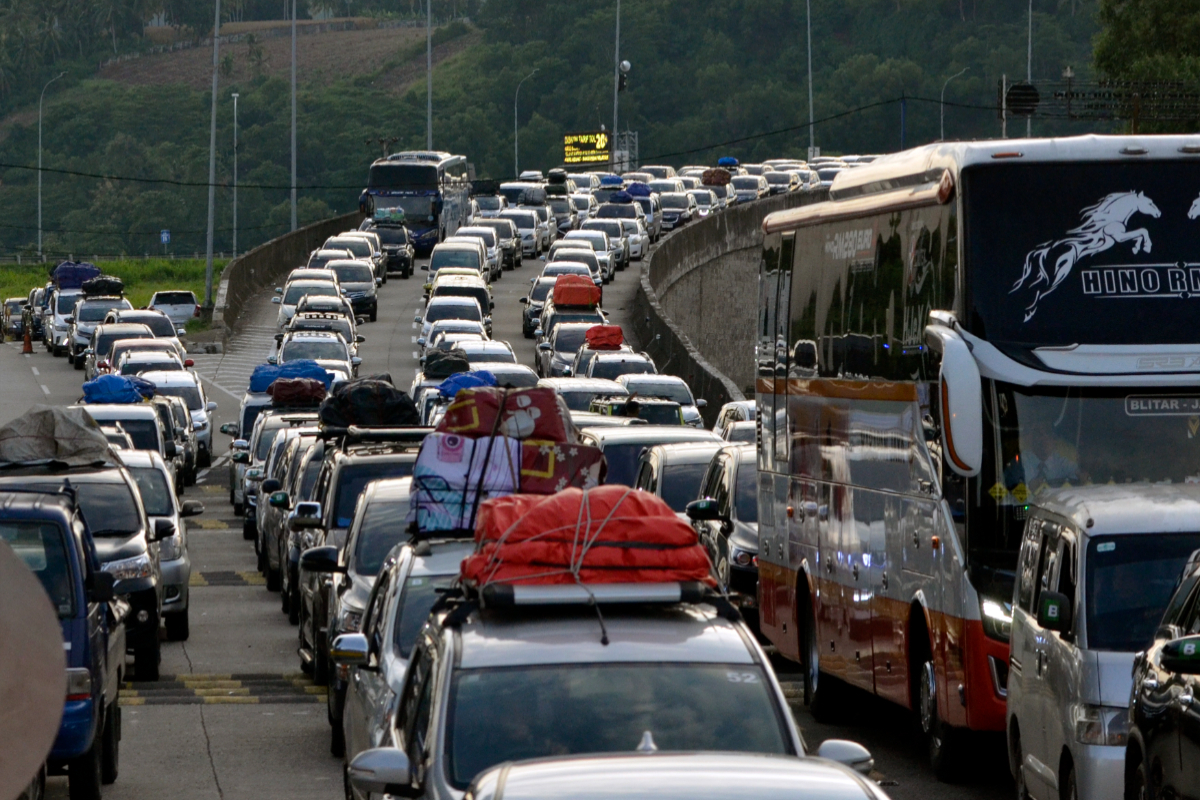
The National Association of River, Lake, and Ferry Entrepreneurs (GAPASDAP) has spoken out regarding the delay in berthing the KMP Wira Qaila at Bakauheni Port, which went viral on social media.
GAPASDAP Chairman, Khoiri Soetomo, emphasised that the delay was not caused by any vessel factors, but rather by the limited capacity of the port’s berths.
“The vessel is operating normally, with no technical issues. The delay occurred because no berthing slot was available due to the extremely heavy queue of ships,” Khoiri stated in his official remarks on Friday (20/3/2026).
Waiting Up to 3.5 Hours in the Waters Based on field reports, the KMP Wira Qaila departed from Berth 5 Ciwandan at 05:05 WIB and arrived in the Bakauheni waters at 06:30 WIB.
However, the vessel had to wait in the berthing queue for around 3.5 hours before finally berthing at Berth 6 at 10:12 WIB, after several changes of direction from the Vessel Traffic Service (VTS).
“This shows that the bottleneck is at the berth, not with the vessel. The ship was ready for loading and unloading since arrival,” Khoiri stressed.
Khoiri revealed that at the time of the incident, there were about 45 ships heading to Bakauheni Port simultaneously. The breakdown consisted of 31 ships on the Merak-Bakauheni route, 8 ships on the Ciwandan-Bakauheni route, and 6 ships from BBJ.
“All these vessels rely on the limited berth capacity. This is what causes the long queues in the waters,” he explained.
Regarding the viral video showing passengers held inside the ship, Khoiri clarified that this was a safety procedure.
“The ship does not hold passengers. Passengers cannot be disembarked until the vessel is safely berthed,” he said.
Due to the situation, passengers had to wait longer inside the ship, while operators faced increased operational pressure.
GAPASDAP is calling for comprehensive system improvements, particularly in port infrastructure.
Khoiri emphasised the importance of increasing berth capacity to anticipate traffic surges, especially during the Eid transport period.
“The problem is not the number of vessels, but the inadequate capacity and quality of the berths. As long as they are not upgraded, queues will continue to recur every year,” he said.
In addition, GAPASDAP has proposed more flexible operational policies, vessel distribution based on port capacity, and strengthened field command.
GAPASDAP also extended apologies to all affected service users.
“We extend our apologies for the inconvenience caused, along with appreciation to all parties who have worked hard in organising Eid transport,” Khoiri stated.
Looking ahead, GAPASDAP stated its readiness to support the government in overhauling the national ferry system.
“We are ready to synergise to improve the quality of ferry services for the broader public interest,” he concluded.
Violations of truck operational restrictions exacerbate congestion.