
Ganjar Pushes for Harsh Penalties on Money Politics, Including Disqualification and Criminal Sanctions
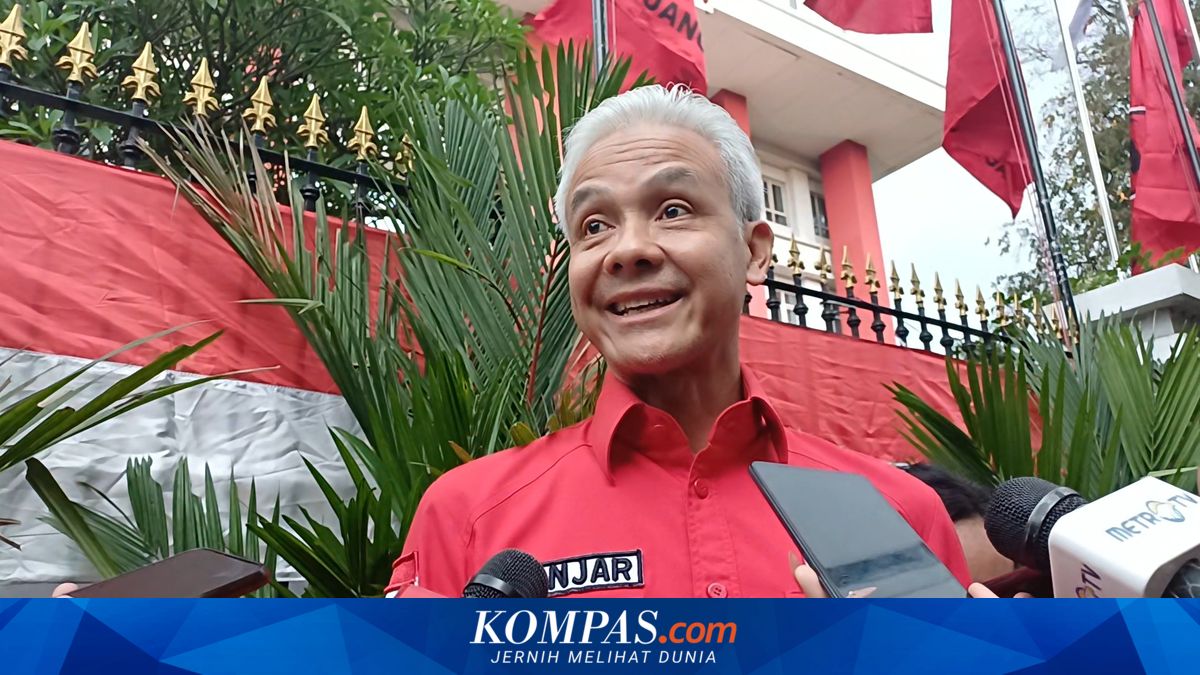
Jakarta - The Chairman of the Central Executive Board (DPP) of the Indonesian Democratic Party of Struggle (PDI-P), Ganjar Pranowo, is pushing for firm action against the practice of money politics by classifying it as a serious electoral crime.
Ganjar made this statement in response to the Corruption Eradication Commission’s (KPK) proposal regarding restrictions on the use of cash or physical currency in the stages of general elections.
According to Ganjar, limiting cash can indeed be one preventive measure, but it must be accompanied by strong law enforcement to create a deterrent effect.
He assessed that without strict sanctions, the practice of money politics will continue to recur because it is seen as part of the strategy to win the contestation.
In addition to law enforcement, Ganjar also emphasised the importance of other preventive steps, such as lowering political costs and providing a fairer campaigning space.
“The proposal to limit the use of cash can be one way to prevent money politics, but it is not the main solution,” he said.
He reminded the public not to view the giving of money in elections as a blessing.
On the other hand, he also encouraged internal reforms in political parties through cadre training and democratisation to produce candidates with integrity.
“Furthermore, voter education is needed that election bribes are not a blessing, including democratisation within the party, so that parties are required to conduct cadre training to prepare integrity candidates, which can involve the KPK, universities, and civil society,” he added.
KPK Spokesperson Budi Prasetyo said that such regulations are necessary because the use of cash in the election process is still very dominant.
“This condition is seen to increase the opportunities for vote buying or money politics, which has long been a classic problem in electoral democracy,” Budi said in Jakarta on Saturday (25/4/2026).
According to him, this view is the result of a corruption prevention study involving four groups of resource persons, namely representatives of political parties, election organisers, electoral experts or observers, and academics.