
Gandaria Residents Install Smart Gate and GPS to Prevent Motorcycle Theft
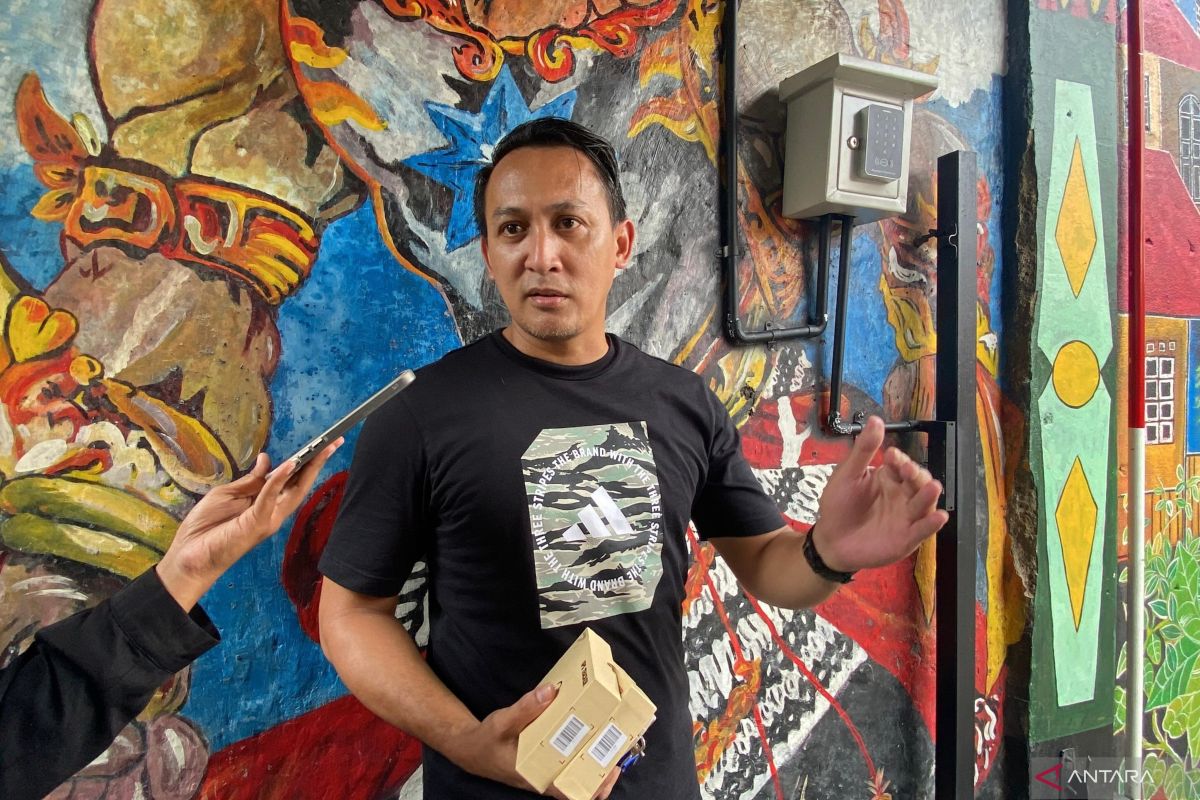
Residents in RT 11/RW 07 Gandaria Utara, South Jakarta, have installed a digital technology-based gate and GPS devices to prevent motorcycle theft as an innovation to strengthen neighbourhood security. “It started from the community’s anxiety due to the many motorcycle theft incidents. From there, we gathered residents’ aspirations every month until the idea emerged to create a technology-based gate,” said RT 11/RW 07 Gandaria Utara Chairman, Imam Basori (43), when met by reporters at his residence in Jakarta on Tuesday. A member of the National Police Headquarters’ Intelligence and Security Agency (Intelkam), he said the innovation stemmed from residents’ concerns over the increasing criminal acts, particularly motorcycle thefts. This step was taken in response to the prevalence of motorcycle theft cases (curanmor) in the surrounding area. Imam explained that the installed gate differs from conventional portals. It uses access cards registered for each household head (KK). The gate is only activated at night, from 00:00 to 05:30 WIB. “From morning until evening, it remains open. But from midnight to dawn, we close it using the access card system. This is to provide a sense of security so residents can rest peacefully,” he said. The launch of the digital gate took place during the month of Ramadan, involving sub-district apparatus, police, and local residents. According to Imam, the presence of the digital gate is already showing positive impacts as there have been no crime reports in the area. Residents feel safer because the movement of outsiders at night is restricted. “Alhamdulillah, since this has been in place, there have been no incidents. At minimum, this is a preventive effort so that criminals think twice before entering,” he said. In addition to the digital gate, the RT is also preparing a follow-up innovation in the form of installing GPS on residents’ vehicles. The device is connected to mobile phones via an application, allowing real-time vehicle position monitoring. “Later, we will provide one GPS per KK, especially for one motorcycle. This is an additional anticipatory step. If something happens, it can be tracked immediately,” he said. The procurement of the equipment is done gradually, utilising the RT’s operational funds of Rp2.5 million per month as well as additional community self-funding. To reduce costs, residents also collaborated in building the gate. “The access device costs around Rp1 million, while the gate itself we made ourselves through community work. Meanwhile, the GPS price is around Rp300,000-450,000,” said Imam. He acknowledged that the main challenge in implementing this programme was unifying residents’ perceptions, especially at the beginning. Additionally, the economic condition of some residents who are unemployed is also a concern. In the future, after the security programme runs optimally, they plan to develop economic empowerment programmes for residents. “Once security is in place, we want to move into welfare. Perhaps by creating joint businesses to absorb local workforce,” he said. Imam hopes that the innovation carried out in his neighbourhood can serve as an example for other areas in creating technology-based security systems involving active community participation.