
Gambling Addiction Requires Medical Therapy, Says Psychiatrist
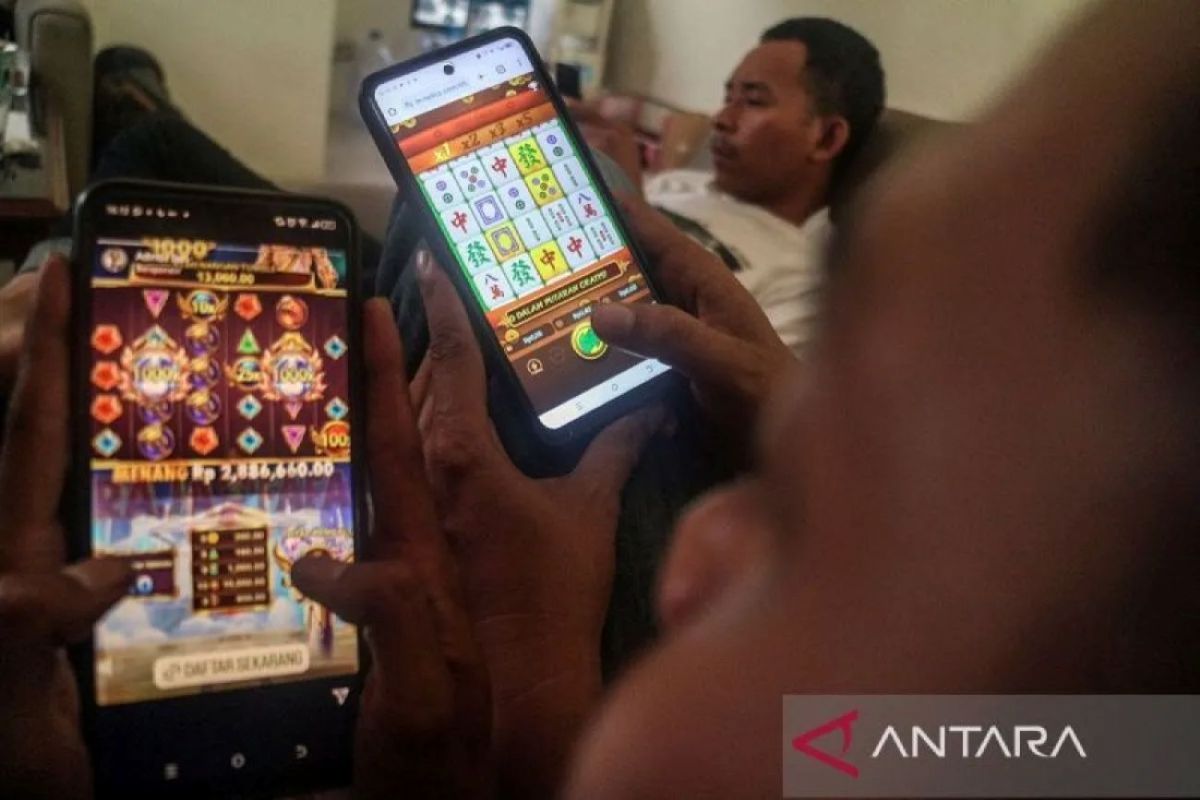
Jakarta — A psychiatrist and addiction medicine specialist has stated that individuals suffering from gambling addiction, including online gambling, require medical therapy because it damages the brain.
Dr. Kristiana Siste, head of the psychiatry department at the National Central Public Hospital Dr. Cipto Mangunkusumo (RSCM) in Jakarta, explained that gambling activity triggers increased dopamine production, a chemical in the brain that creates a sensation of pleasure.
“People who gamble must receive medical therapy, because addictive gambling behaviour causes damage to the brain, particularly in the left frontal area, the prefrontal cortex region which is responsible for decision-making,” she said.
When the prefrontal cortex area is damaged, individuals tend to experience cognitive errors, resulting in poor decisions.
Siste explained that treatment for addiction does not always begin by stopping the addictive behaviour first. In some cases, the underlying psychological problems that trigger the addiction also need to be addressed.
She cited the example of a teenager aged around 17–18 years with low self-esteem who felt perpetually inferior and worthless. When the teenager gambled and won, their confidence immediately increased.
According to her, treating gambling addiction requires therapy for both the addictive behaviour and the underlying emotional problems, as the two are interrelated and often occur together.
For individuals experiencing gambling problems or those at high risk of addiction, as well as their families, recovery can be assisted through therapeutic modalities. Transcranial magnetic stimulation therapy, which applies electromagnetic waves directly to the brain, can also repair damaged brain areas.
Based on research findings, a combination of cognitive-behavioural therapy, transcranial magnetic stimulation, and pharmacological treatment has achieved recovery rates exceeding 85 per cent within approximately three months.
Siste urged families with members experiencing online gambling disorder not to lose hope. Many therapies have been developed to aid recovery, and there is no need to feel stigmatised when seeking treatment. Whilst the first step often feels difficult, it is crucial for improving future life prospects.
She noted that the harm from gambling extends beyond the individual: approximately six people in their immediate circle also suffer negative consequences. When someone seeks treatment and recovers, those six people surrounding them will also become happier.