
Gaikindo Targets 850,000 Vehicle Sales in 2026
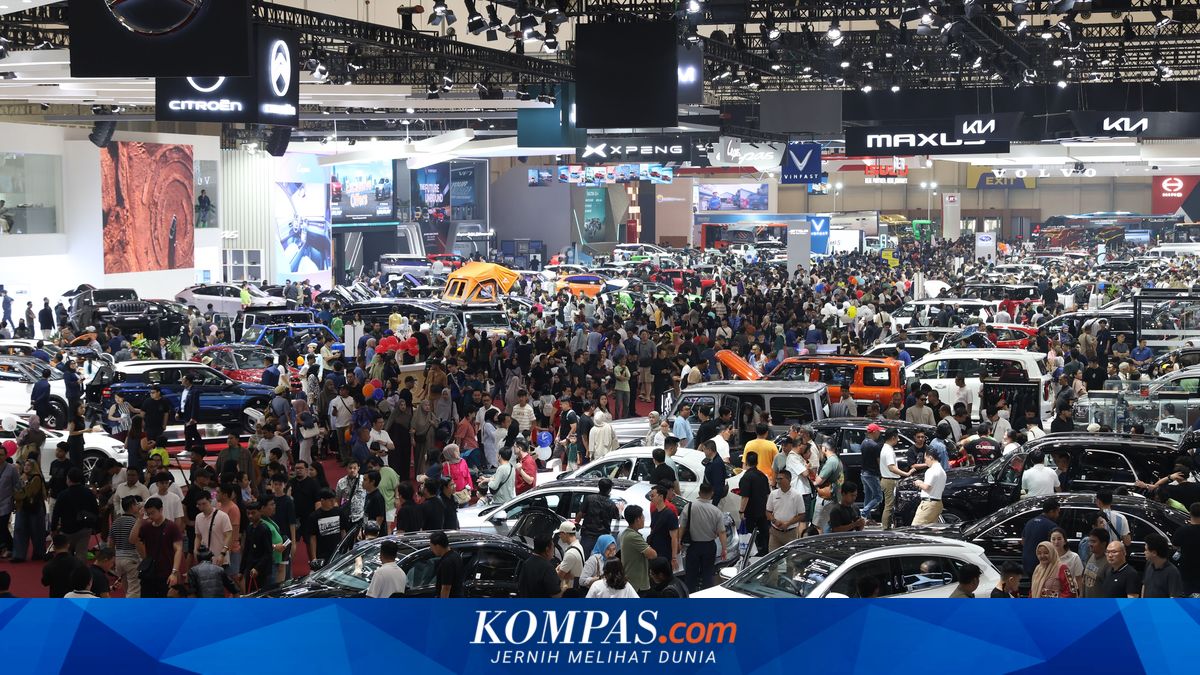
Jakarta — The Indonesian Automotive Industry Association (Gaikindo) has targeted national vehicle sales of 850,000 units in 2026, representing approximately 5 per cent growth compared with the previous year’s realisation.
Gaikindo chairman Putu Juli Ardika stated that the target was established following discussions with industry stakeholders, taking into account automotive market conditions that are considered to still have growth potential.
“For our 2026 projection, we have discussed this with our members. We are aiming for around 5 per cent growth. So, we are projecting 850,000 units in 2026,” Putu told Kompas.com.
“During 2025, many were sceptical and uncertain that we could achieve 800,000 units. Most of our members stated it would only reach approximately 780,000 units,” he said.
However, by year-end, actual sales exceeded expectations, reaching 803,687 units.
Optimism towards the market is also becoming evident from early 2026. According to Putu, vehicle sales in January this year recorded approximately 5 per cent growth compared with the same period last year.
“January 2026 is quite encouraging when compared to January 2025, with around 5 per cent growth. Hopefully this signals positive momentum going forward,” he said.
To drive achievement of the target, Gaikindo is relying on several industry initiatives, including automotive exhibitions that serve as platforms for introducing new vehicle technologies and models to consumers.
Additionally, the presence of various new brands in Indonesia’s automotive market is considered to have a positive impact by expanding vehicle options for consumers.
“Now there are many new entrants bringing vehicle variety so the public has more choices,” he said.
According to Putu, increasingly intense competition is also driving manufacturers to present models with more competitive pricing and specifications adapted to specific market segments.
“There are many variants that are more efficient, more environment-friendly, and have lower emissions. If emissions are lower, it means fuel efficiency per litre is also greater,” he said.