
Gaikindo Awaits Official Rules on Electric Vehicle Incentives
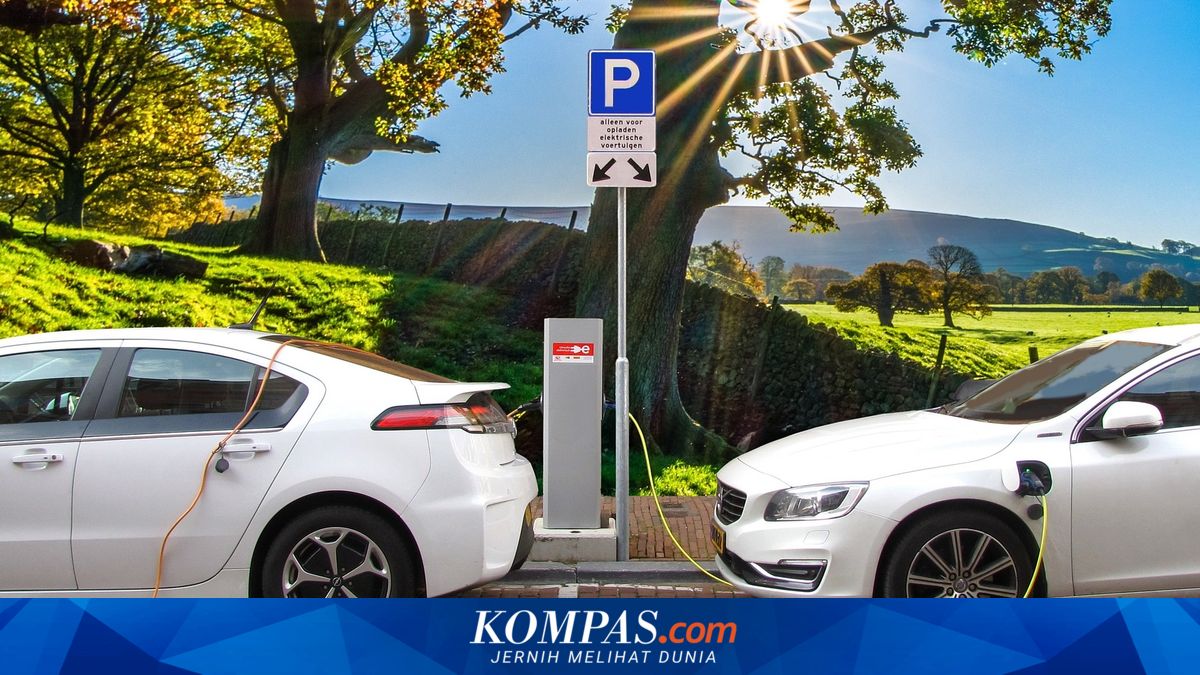
JAKARTA, KOMPAS.com - The Indonesian Automotive Industry Association (Gaikindo) is still awaiting the official regulations regarding the government’s plan to provide incentives for electric vehicles. Although they welcome the initiative positively, automotive industry players are opting to exercise caution before offering more detailed responses, particularly concerning the implementation scheme on the ground. “We greatly appreciate the government’s plan to provide incentives (for electric vehicles). For now, we are waiting for the regulations first,” said Vice Chairman of Market Development at Gaikindo, I Jongkie D Sugiarto, when contacted by Kompas.com on Wednesday (6/5/2026). In the initial phase, incentives are being prepared for 100,000 electric car units. If that quota is absorbed, the government will open opportunities for additional allocations in the next phase. Finance Minister Purbaya Yudhi Sadewa revealed that the incentives will be given through the Value-Added Tax Borne by the Government (PPN DTP) scheme. The amounts will vary, estimated to range from 40 per cent to 100 per cent. Differences in the incentive amounts will partly be determined based on the type of battery used. Electric vehicles with nickel-based batteries have the potential to receive larger incentives compared to non-nickel ones. “Those with nickel-based and non-nickel batteries will have different schemes. The calculation will later be carried out by the Minister of Industry. Why is the subsidy for nickel larger? Because so that our nickel can be utilised,” said Purbaya. This policy has been discussed with the Ministry of Industry as part of the strategy to strengthen the national automotive industry. According to Purbaya, electric vehicle incentives are not only aimed at encouraging public purchasing power in the short term but also at reducing dependence on fuel oil (BBM), which has long burdened the state finances. “Our spirit is to ensure all economic engines run, demand is already moving, now in the manufacturing sector,” he said.