
G20 Countries Hit by Iran War Effects, Inflation Could Reach 4%
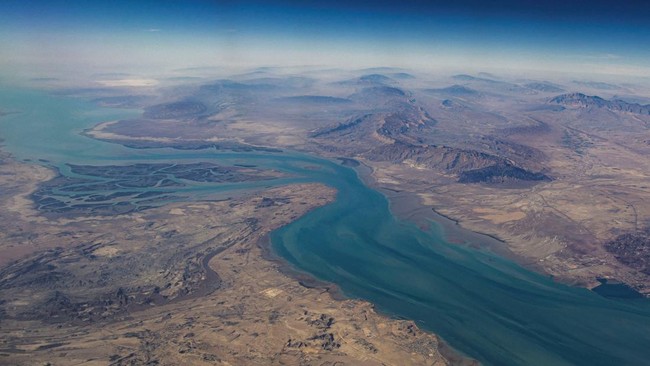
Jakarta, CNBC Indonesia - The Organisation for Economic Co-operation and Development (OECD) forecasts that the inflation rate in G20 countries will rise to 4% this year. This is driven by increases in energy prices, particularly oil and gas, due to the effects of the cessation of shipments through the Strait of Hormuz and the closure and damage to several energy infrastructures resulting from the war in the Middle East.
“This increases costs, suppresses demand, and adds inflationary pressure,” stated the OECD in its latest Economic Outlook, Interim Report titled Testing Resilience, quoted on Monday (30/3/2026).
According to the OECD in its report, potential supply disruptions could be exacerbated by Europe’s currently relatively low gas reserves and difficulties in exporting much of the world’s excess crude oil production capacity, which is mainly located in Saudi Arabia. In addition to further price surges, energy shortages could burden production activities in several net energy importers, particularly Asian countries such as Japan and South Korea.
The OECD emphasises that further disruptions to trade in the Persian Gulf could also negatively impact a broader range of products in the global supply chain.
“For instance, sustained constraints on fertiliser supplies could raise global food prices, with potentially serious implications for household finances and inflation expectations,” it stated.
Moreover, reduced supplies of sulphur, helium, or aluminium could hinder production in various industries.
The OECD also provides recommendations for policymakers. First, it reminds central banks to remain vigilant and monitor shifts in the balance of risks surrounding economic and financial developments to ensure that underlying inflationary pressures are sustainably controlled.
“Global energy price increases triggered by current supply conditions can be overlooked as long as inflation expectations remain anchored, but policy adjustments may be needed if there are signs of broader price pressures or weaker labour market conditions,” wrote the OECD.
However, on the other hand, the OECD warns that changes in heightened global risk aversion due to the evolving conflict in the Middle East and related currency movements could also affect policy assessments in emerging countries.
Careful calibration may be required to balance persistent inflation risks with recession risks from significant growth slowdowns.
Second, the OECD emphasises that rising energy prices are reigniting interest in measures to support households and businesses. Any measures should be temporary and targeted at those most in need, while still preserving incentives to reduce energy use.
The OECD assesses that broad subsidies and transfers, tax reductions, and price caps are easier to implement quickly but weaken incentives to reduce energy use and incur higher fiscal costs.
Furthermore, the OECD reveals that government budgets are under pressure from high debt burdens and demands for new spending, including increased defence expenditures in many countries and the long-term costs of population ageing and climate change.
Therefore, stronger efforts to control and reallocate spending, improve public sector efficiency, and increase revenues are needed, which the OECD hopes can be established as a credible and specific medium-term adjustment strategy.
Finally, the OECD asserts that actions to reduce dependence on imported fossil fuels and accelerate energy efficiency measures, such as increasing clean energy capacity, modernising electricity grids, and introducing expedited permitting procedures, can lower exposure to geopolitical shocks, reduce cost pressures for households and businesses, and support long-term resilience.