
Funds Already Allocated; Acceleration of Recovery for Sumatra Flood Victims Urged
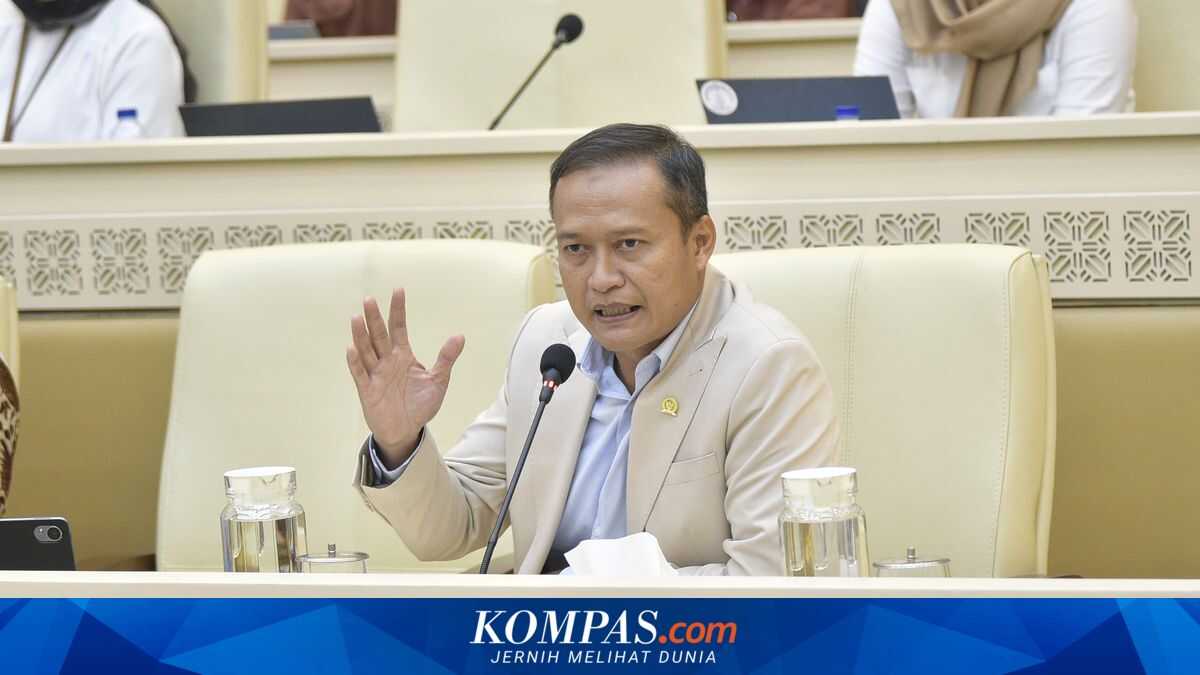
JAKARTA - A member of Commission II of the Indonesian House of Representatives, Azis Subekti, has called for the acceleration of various basic services needed by communities in Aceh, West Sumatra, and North Sumatra following the devastating Sumatra floods.
“The funds have been disbursed. Policies have been formulated. Now recovery must not be hindered by outdated practices,” said Azis in a press statement on Monday, 2 March 2026.
Recovery funds are now available following the issuance of Ministry of Finance Decision Number 59 of 2026.
“The central government has reallocated budgets and increased Revenue Sharing Funds, General Allocation Funds, and Special Autonomy Funds totalling over Rp 10 trillion. As a policy matter, this is a clear signal that the state is not delaying its presence in the face of an emergency situation,” said Azis.
Therefore, he hopes that the speed of recovery can match the needs of affected residents and the speed of budget disbursement.
Speed is also necessary given that the realisation of fund transfers to regions remains low, with only approximately 25 per cent of the total allocated funds of Rp 85 trillion having been disbursed.
“At this point, the main issue is no longer the availability of budget, but rather the capacity and execution orientation,” he explained.
The funds need to be used for recovery, given that the disaster has damaged certain infrastructure, disrupted local economic access, and paralysed basic services at specific points.
Without sharpening priorities, he warned, there is a significant risk that budgets move whilst recovery proceeds slowly.
He also highlighted local government governance that continues to operate at normal procedural pace, characterised by multi-layered changes to regional budgets, lengthy procurement processes, and uncentred coordination across districts and cities.
“In the post-disaster context, administrative delays are not merely technical issues but touch upon the dimension of social justice. Residents who have lost homes and livelihoods do not live according to bureaucratic schedules,” he stated.
Budget absorption is often used as a primary indicator, as though the percentage of realisation were identical to recovery itself.