
Funding for diabetes and hypertension in young people is increasing
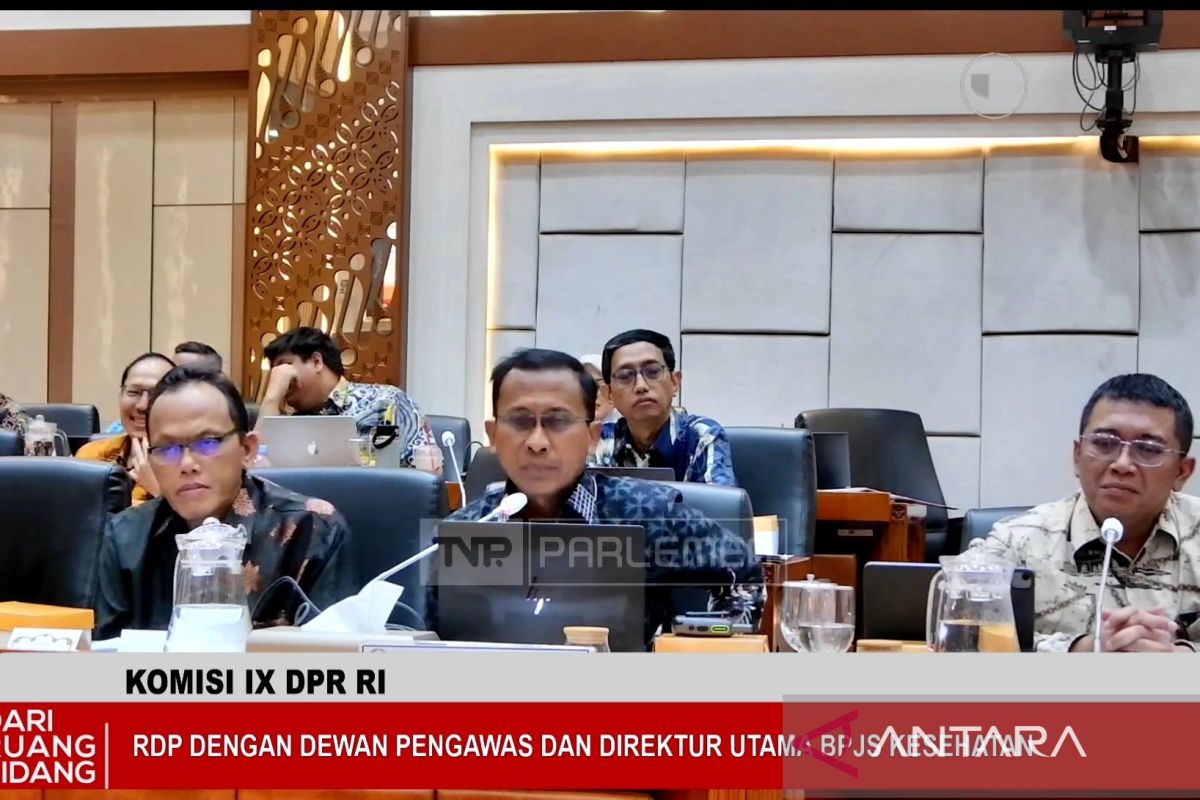
Cases of chronic diseases such as diabetes mellitus and hypertension are now increasingly found in young age groups. Jakarta (ANTARA) - BPJS Kesehatan has spotlighted diabetes mellitus and hypertension in young people, which is now on the rise, becoming one of the factors increasing funding for catastrophic diseases that now reaches 25 percent of the total health services budget. “Cases of chronic diseases like diabetes mellitus and hypertension are now starting to be found more frequently in young age groups. This condition can burden long-term funding if not balanced with promotive and preventive efforts,” said BPJS Kesehatan CEO Prihati Pujowaskito during a Hearing Meeting with Commission IX of the DPR RI in Jakarta on Wednesday. She stated that overall, the realisation of benefit costs in 2025 will increase by 11 percent compared to 2024. However, the high funding is also in line with increased service utilisation. It is recorded that around 1.9 million participants visit BPJS partner health facilities every day, with hospital visits increasing fivefold compared to 2014. Interestingly, the service utilisation rate by PBI participants is higher than non-PBI, showing that the JKN programme helps the poor more. However, BPJS also recorded three main participant complaints, namely difficulties in accessing services, availability of medicines, and the attitudes of administrative staff and health workers. Pujowaskito also mentioned that the number of inactive JKN participants is now recorded at 58.32 million participants due to various factors, so strengthening the validity of participant data is one of the things that continues to be optimised. “Of that number, 13.48 million people are inactive due to arrears in premiums, while 44.84 million people come from deactivation of Premium Assistance Recipients (PBI) participants and participants funded by local governments. Data updates in the last two months also impacted the deactivation of around 11 million participants, some of whom switched to independent participants,” she said. She explained that low compliance in premium payments mainly occurs among Wage Non-Recipient Workers (PBPU) participants or the informal sector due to low willingness to pay and unstable financial capacity.