
Fuel prices rise in March 2026: Is an octane booster the solution?
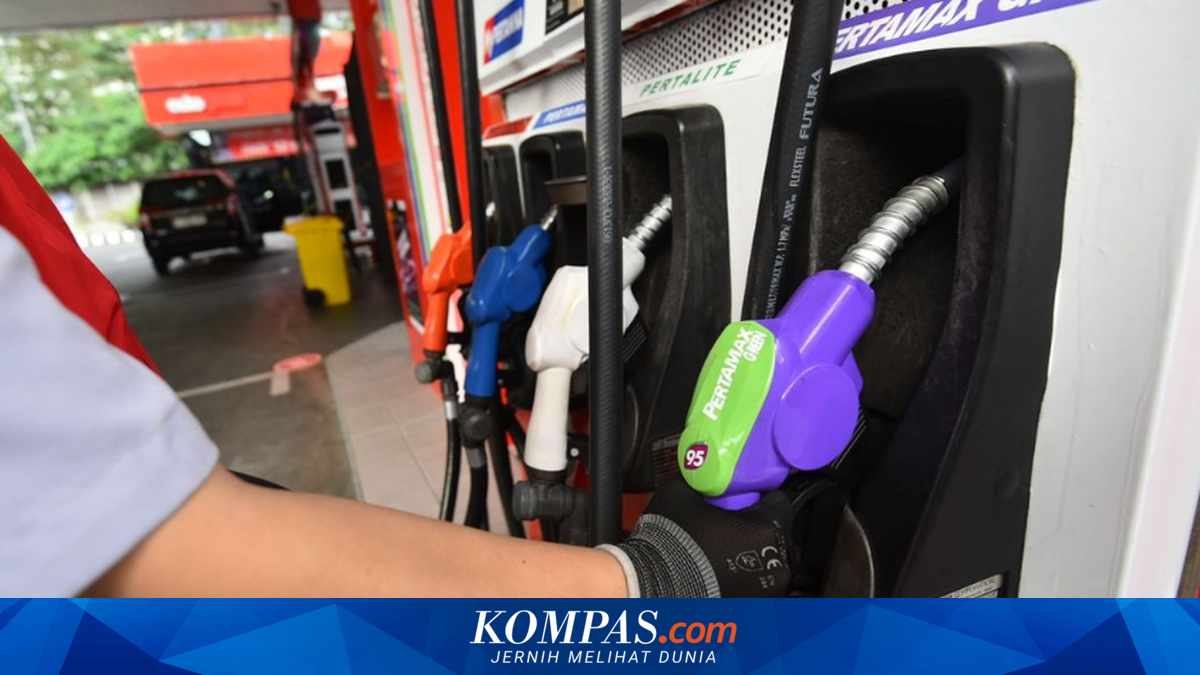
SOLO, Kompas.com - Mixing octane booster additives with Pertalite or low-RON petrol is widely done by the public in the hope that cheap fuel of lower quality can be improved in quality and deliver optimal power. From 1 March, non-subsidised fuel prices rose across the board; for example: Pertamax RON 92 priced at Rp 12,300, up from Rp 11,800; Pertamax Turbo RON 98 at Rp 13,100, up from Rp 12,700; and Pertamax Green 95 RON 95 at Rp 12,900, up from Rp 12,450. So, is octane booster effective at improving vehicle performance or the opposite? See expert explanations below. Energy Conversion expert from the Faculty of Engineering and Aeronautics at Bandung Institute of Technology (ITB), Tri Yuswidjajanto Zaenuri, says octane boosters are usually used on high-performance and high-end cars or those who own nice cars but want cheaper fuel. ‘An increase in octane rating will impact power, thereby saving fuel and reducing emissions if it aligns with final compression pressure, ignition timing, and air–fuel ratio,’ Tri told Kompas.com recently. Vehicle technology also determines whether it is appropriate to use high-RON petrol. According to him, all high-performance cars certainly require high RON. ‘Not only the engine compression must be matched, but even with the same compression the effects can differ; some become more responsive and some remain the same,’ said Taqwa to Kompas.com. In modern cars, there is a knock sensor that will adjust ignition timing when the fuel quality changes. When the RON rises, the normal engine response will cause ignition timing to retard. Nevertheless, adding octane booster will indeed raise the RON value, but it must be tested using laboratory tests. Regarding whether there are side effects, every consumer can assess for themselves, because side effects will not appear immediately, but may take some time after extended use,’ said Taqwa.