
Fuel Prices Rise, Electric Cars Sell Like Hotcakes? Polytron Boss Speaks Out
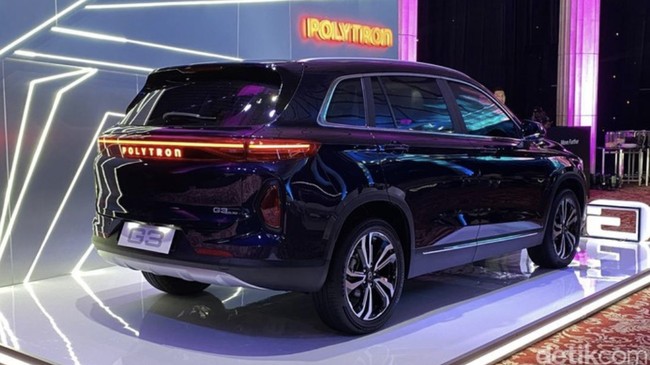
Geopolitical unrest in the Middle East, which has sparked fears of rising fuel prices, has not yet led to a surge in domestic electric vehicle sales. Electric vehicle industry players reveal that market response remains subdued due to seasonal consumer spending factors. “Not yet at the moment, because consumer spending last month prioritised Eid needs. If fuel prices rise, it will certainly make consumers more interested in switching to electric cars,” said Polytron Tekno Wibowo, Commercial Director of Polytron, to CNBC Indonesia on Monday (30/3/2026). The shift in consumer behaviour towards electric vehicles does not happen instantaneously and is heavily influenced by energy price dynamics and societal purchasing power. “I think in the future, it will certainly increase the share of electric vehicles, which will reduce fuel subsidies going forward and can be used for greater and more beneficial national interests,” Tekno stated. Amid this situation, Polytron views the shift in consumer preferences as something that will develop gradually, especially as energy price pressures become more tangible at the domestic level. In facing increasingly fierce competition in the electric vehicle industry, including from Chinese brands, the company opts for a different approach rather than getting caught in price competition. “Polytron avoids price wars and prefers to offer value that matches the price paid by consumers,” said Tekno. This strategy positions Polytron to compete in a more specific market niche, with a focus on performance, alongside growing interest in electric vehicles as an alternative amid global energy price uncertainties. “Currently, the Polytron G3+ competes in the premium SUV segment and targets the segment that prioritises SUV vehicle performance over cheap prices,” he explained.