
Fuel Prices Rise Due to Conflict; Pakistan Implements 50% Work-from-Home Policy and School Closures
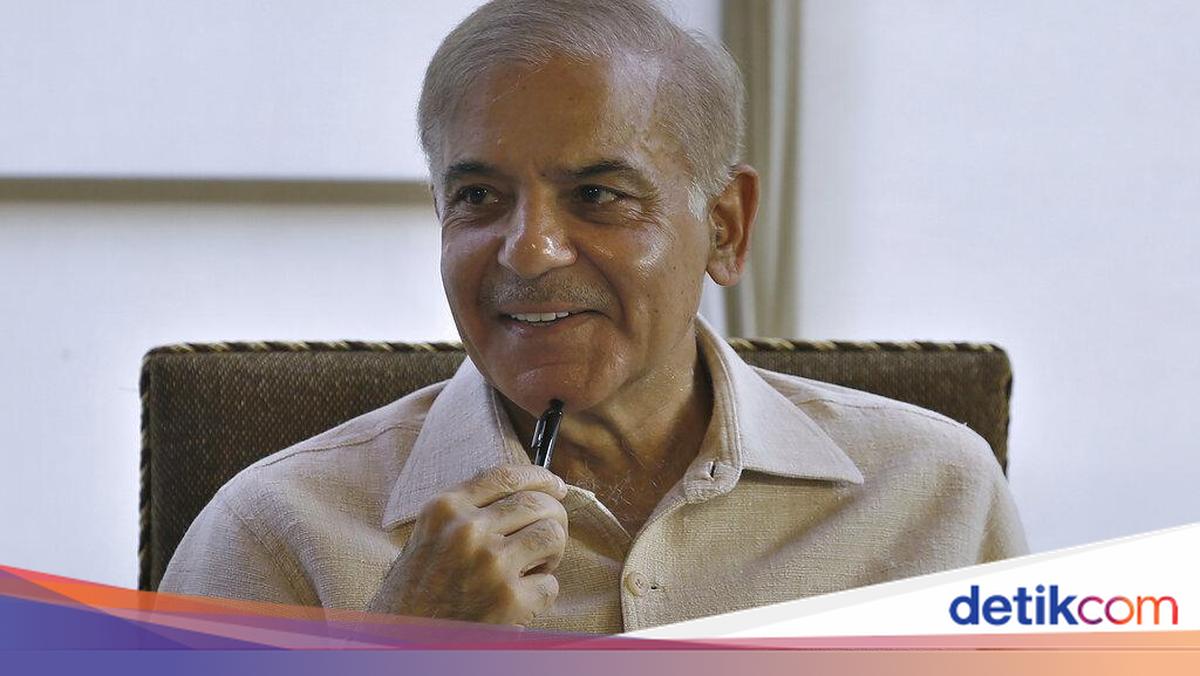
Prime Minister Shehbaz Sharif of Pakistan has announced a series of government measures aimed at conserving fuel following the surge in oil prices resulting from the US-Israel conflict with Iran. Pakistan has mandated that 50% of its workforce work from home (WFH) and extended school holidays.
According to AFP on Tuesday, 10 March 2026, oil prices have surged above $100 per barrel for the first time since Russia’s full-scale invasion of Ukraine in 2022. This spike in global oil prices occurred as Iran launched retaliatory strikes against crude oil-producing nations in the Gulf.
Pakistan, which is dependent on oil and gas from the Gulf, increased fuel prices at petrol pumps by approximately 20% last Friday. This fuel price increase policy subsequently triggered long queues at petrol stations across the country.
Pakistan’s PM described the decision as a ‘difficult’ one, stating that he sought to avoid further increases that would further impact residents, many of whom live in poverty. However, he said such action was necessary. He also warned, “The energy crisis is a new crisis.”
At a meeting on Monday, he stated that ministers had agreed to attempt to prevent the situation from deteriorating and had approved that government offices, except banks, should transition to a four-day working week system, with half of all staff ordered to work from home (WFH).
Additionally, Pakistan has extended school holidays, with lessons switching to online format after two weeks.
Furthermore, Pakistan has implemented a 50% reduction in fuel allowances for official vehicles for the next two months, with the exception of ambulances. The meeting also approved salary reductions for government employees, a ban on purchasing new equipment, and a reduction in official travel abroad except for trips “necessary for national progress,” Sharif said.
He added that video conferences would be prioritised.
The Gulf crisis has affected other nations in South Asia. On Sunday, Bangladesh, which imports 95% of its oil and gas requirements, launched fuel rationing, resulting in long queues at petrol stations. This decision has also led to increased security threats due to civil unrest.
Additionally, lighting displays for independence and Ramadan celebrations have been cancelled.