
Fuel Prices at US Petrol Stations Skyrocket Dramatically, Americans Protest En Masse
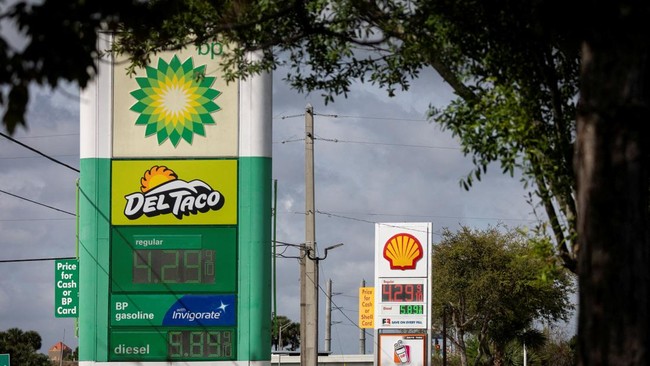
People in the United States are beginning to cut back on oil fuel (BBM) consumption. This situation is felt following the skyrocketing fuel prices in that country.
Residents of Boston, Pat Ouedraogo, is reducing long-distance trips. Meanwhile, law student candidate Skyler Burke chooses to drive further to fill up more expensive petrol in the area near her home. Meanwhile, David Wright in Houston, a broker, is replacing his fuel-guzzling car with an electric vehicle.
This condition is felt by drivers across the United States, who are worried about the Iran war because it is pushing fuel prices close to the highest record. Market experts also say that the war, which has lasted six weeks, is partly the worst oil supply disruption in history, after major production facilities were affected and shipping routes were practically closed.
“This is a situation where you feel helpless facing these prices,” said Ouedraogo, while filling up his Nissan SUV at a Shell petrol station, at a price of US$4.99 per gallon, citing Reuters, Sunday (12/4/2026).
The average petrol price in the US was recorded at US$4.16 per gallon last Friday, while diesel was US$5.67. This is the highest price paid by consumers ahead of the peak summer travel season since Russia’s invasion of Ukraine in February 2022, which shook the global energy market.
From that price increase, it is estimated to add petrol and diesel spending in the US by US$10.4 billion in the period from 1 March to 10 April compared to the same period last year since the war began, said Patric De Haan from GasBuddy.
For truck driver Eddie Esquivel from Houston, the surge in diesel prices has nearly doubled his weekly expenses to US$1,600 - US$1,700 from previously US$800 - US$900 before the war.
“These prices hit hard. Previously diesel was around US$2 per gallon, now it can reach US$6,” said Esquivel at a QuikTrip petrol station in South Houston, Texas.
“You have to pay truck instalments, buy tyres, change oil, and support the family, this is really killing us,” he added.
This fuel price increase is indeed happening globally, in line with Iran’s blockade in the Strait of Hormuz which is hindering Middle East oil supplies to the Asian and European markets.
Analysts estimate that oil and fuel prices will not soon return to pre-war levels. US consumers are likely to still face the highest prices in years to fill up fuel.
“We still expect a persisting geopolitical risk premium in the market,” said Rystad analyst Wei Ren Gan.
“Instead of a quick recovery to pre-war levels, prices are likely to decline gradually and remain relatively higher than before.”
Around 2 million barrels per day of oil refining capacity in the Middle East is also reported to be non-operational due to damage during the war, according to Macquarie analysts.
In the US, there is also a sign of declining demand due to high petrol prices. In US government data, petrol demand in the week before Easter only reached 8.6 million barrels per day, down 9% compared to the same period the previous year.
Another indicator shows the pressure on consumers: pawn loan transactions increased 9% when petrol prices exceeded US$4 per gallon, according to Tim Jugmans from EZCORP.